
AI-Powered Renewable Energy Forecasting Systems and Smart Grid Optimization Architectures
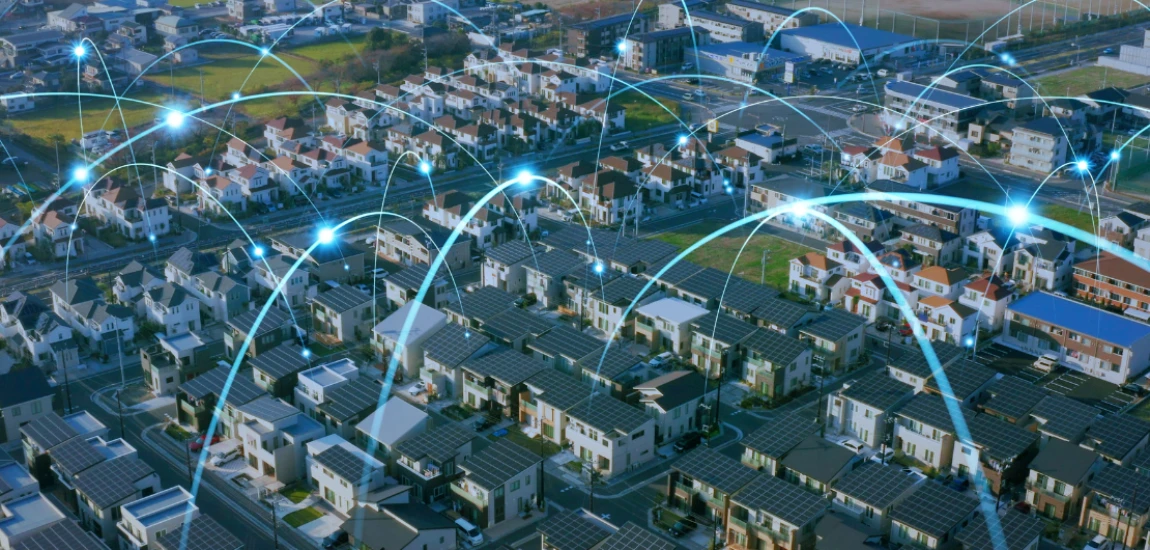
The global energy industry is rapidly shifting toward renewable energy sources such as solar, wind, hydroelectric, and geothermal power. Governments, industries, and environmental organizations are investing heavily in sustainable energy infrastructure to reduce carbon emissions, combat climate change, and improve energy security. However, renewable energy systems present unique operational challenges because their power generation depends heavily on environmental conditions such as sunlight intensity, wind speed, weather patterns, and seasonal variations.
Traditional power grids were originally designed for centralized fossil-fuel-based electricity generation and are often unable to efficiently manage fluctuating renewable energy production. As renewable energy adoption increases worldwide, advanced technologies are needed to forecast energy generation accurately and optimize electricity distribution in real time.
AI-powered renewable energy forecasting systems and smart grid optimization architectures are transforming modern energy management by integrating artificial intelligence, machine learning, IoT connectivity, predictive analytics, cloud computing, and intelligent automation technologies. These systems enable utility providers to predict renewable energy output, balance electricity demand, optimize storage systems, and improve overall grid reliability.
Artificial intelligence helps energy providers analyze massive volumes of environmental and operational data to make intelligent decisions regarding energy generation, transmission, and consumption. Smart grids further enhance efficiency by enabling automated energy distribution, real-time monitoring, and adaptive infrastructure management.
In this blog, we will explore the technologies, benefits, applications, challenges, and future opportunities of AI-powered renewable energy forecasting systems while understanding how smart grid optimization architectures are reshaping the future of sustainable energy management.
Understanding AI-Powered Renewable Energy Forecasting Systems

The Evolution of Renewable Energy Forecasting
Renewable energy forecasting has evolved significantly over the past decade. Early forecasting methods relied primarily on historical weather data and basic statistical models to estimate renewable power generation. While these traditional approaches provided limited predictive capabilities, they often struggled to handle rapidly changing environmental conditions.
Modern AI-powered forecasting systems use advanced machine learning algorithms, neural networks, and predictive analytics to improve forecasting accuracy dramatically. These intelligent systems continuously analyze weather patterns, atmospheric conditions, solar radiation levels, wind speeds, and operational performance data to generate highly accurate energy production predictions.
Artificial intelligence enables renewable energy providers to forecast energy generation hours, days, or even weeks in advance with significantly improved precision. This capability helps utility operators balance supply and demand more effectively while reducing operational inefficiencies.
As renewable energy becomes a larger part of global electricity production, accurate forecasting technologies are becoming essential for maintaining grid stability and energy reliability.
Machine Learning and Predictive Analytics
Machine learning technologies are at the core of AI-driven renewable energy forecasting systems. These systems process enormous volumes of real-time and historical data to identify patterns that influence renewable power generation.
Deep learning models can analyze complex environmental variables simultaneously, enabling highly accurate predictions even in rapidly changing weather conditions. For example, AI systems can estimate solar panel output based on cloud movement, humidity, temperature, and atmospheric pressure.
Wind energy forecasting systems use machine learning algorithms to analyze wind speed fluctuations, air density, turbine performance, and meteorological conditions. These predictive insights allow utility providers to optimize energy scheduling and storage management.
Continuous learning capabilities further improve system performance over time as AI models adapt to new environmental and operational data.
Real-Time Data Integration and Monitoring
Modern renewable energy systems rely heavily on real-time data collection and monitoring technologies. IoT sensors, weather stations, drones, and satellite imaging systems continuously gather operational and environmental information from renewable energy facilities.
AI-powered analytics platforms process this data instantly to monitor energy production performance, identify anomalies, and optimize forecasting models. Real-time monitoring also enables predictive maintenance by detecting equipment inefficiencies and potential system failures early.
Cloud computing infrastructure supports large-scale data storage and advanced computational analysis, enabling utility providers to manage distributed renewable energy assets more efficiently.
The integration of real-time monitoring with AI forecasting creates intelligent energy ecosystems capable of improving operational efficiency and reducing uncertainty in renewable power generation.
Smart Grid Optimization Architectures and Intelligent Energy Distribution

The Evolution of Smart Grid Technologies
Traditional electrical grids were designed for one-way energy distribution from centralized power plants to consumers. However, renewable energy systems introduce decentralized power generation and variable electricity output, requiring more adaptive and intelligent infrastructure.
Smart grid optimization architectures represent the next generation of energy distribution systems. These intelligent grids use AI, IoT connectivity, advanced sensors, automation technologies, and real-time analytics to optimize electricity generation, transmission, and consumption dynamically.
Unlike conventional grids, smart grids can detect changes in electricity demand instantly and adjust energy distribution accordingly. They also support bidirectional energy flow, allowing consumers with renewable energy systems such as rooftop solar panels to contribute electricity back to the grid.
This adaptive infrastructure significantly improves energy efficiency, reliability, and sustainability.
Intelligent Energy Management Systems
AI-driven energy management systems play a central role in smart grid optimization. These systems analyze electricity demand patterns, renewable energy availability, weather forecasts, and storage conditions to optimize grid operations in real time.
Machine learning algorithms help utility providers balance electricity supply and demand more efficiently while reducing energy waste and operational costs. Intelligent systems can automatically reroute power during outages, prevent grid overloads, and optimize battery storage usage.
Energy management platforms also support demand response programs by encouraging consumers to reduce electricity usage during peak demand periods.
This intelligent coordination improves overall grid stability and enhances renewable energy integration into national power systems.
Energy Storage and Grid Stability
Renewable energy sources such as solar and wind are inherently intermittent, making energy storage systems essential for maintaining grid reliability. Smart grid architectures integrate advanced battery storage technologies with AI-driven optimization systems to manage energy supply fluctuations effectively.
Artificial intelligence helps determine when to store excess renewable energy and when to release stored power based on predicted demand and generation conditions.
AI-powered storage management systems improve battery efficiency, extend operational lifespan, and reduce energy losses. Grid operators can maintain stable electricity supply even during periods of low renewable generation.
Efficient energy storage integration is critical for supporting large-scale renewable energy adoption and achieving long-term energy sustainability goals.
Benefits of AI-Powered Renewable Energy Forecasting Systems

Improved Energy Efficiency and Sustainability
One of the biggest advantages of AI-powered renewable energy forecasting systems is improved energy efficiency. Accurate forecasting enables utility providers to optimize electricity generation schedules and reduce unnecessary energy waste.
Smart grid optimization further enhances sustainability by maximizing renewable energy utilization and minimizing dependence on fossil-fuel-based backup power sources.
AI-driven energy management also helps reduce greenhouse gas emissions by improving operational efficiency across energy production and distribution networks.
These technologies support global sustainability initiatives while helping governments and organizations achieve carbon reduction targets more effectively.
Reduced Operational Costs and Energy Losses
Energy forecasting inaccuracies can lead to costly operational inefficiencies, including overproduction, underutilization, and grid instability. AI-powered forecasting systems significantly reduce these risks by improving prediction accuracy and operational planning.
Smart grids also reduce transmission losses by optimizing electricity distribution routes and balancing local energy generation with regional demand patterns.
Predictive maintenance capabilities further reduce operational costs by identifying equipment issues before they result in major failures or downtime.
Lower operational expenses improve the economic viability of renewable energy projects and encourage broader investment in sustainable energy infrastructure.
Enhanced Grid Reliability and Resilience
Modern electricity grids face increasing pressure from growing energy demand, extreme weather events, and aging infrastructure. AI-powered smart grids improve resilience by enabling real-time monitoring, automated fault detection, and adaptive energy distribution.
Intelligent systems can isolate damaged grid sections, reroute electricity, and restore power more quickly during outages or emergencies.
Distributed renewable energy systems also reduce reliance on centralized power plants, making energy networks more resilient against large-scale disruptions.
Enhanced reliability improves energy security and supports stable electricity access for residential, commercial, and industrial consumers.
Applications of AI in Renewable Energy and Smart Grids

Solar Energy Forecasting and Optimization
Solar energy systems depend heavily on weather conditions and sunlight availability. AI-powered forecasting models analyze cloud coverage, atmospheric conditions, seasonal changes, and solar radiation intensity to predict solar power generation accurately.
Smart solar management systems optimize panel orientation, cleaning schedules, and battery charging operations to maximize energy production efficiency.
AI-driven predictive maintenance also helps identify damaged or underperforming solar panels quickly, reducing downtime and maintenance costs.
These technologies significantly improve the performance and profitability of solar energy infrastructure.
Wind Power Management Systems
Wind energy forecasting presents unique challenges because wind patterns can change rapidly and unpredictably. AI-powered systems analyze meteorological data, turbine performance metrics, and environmental conditions to optimize wind power generation.
Machine learning models help utility operators predict wind speed fluctuations and adjust grid operations accordingly.
Smart wind farm management systems also improve turbine efficiency through predictive maintenance, automated performance optimization, and intelligent load balancing.
Enhanced forecasting accuracy improves energy reliability and reduces operational uncertainty for wind energy providers.
Smart Cities and Sustainable Urban Energy Systems
Smart cities increasingly rely on AI-powered energy management systems to support sustainable urban development. Intelligent grids optimize electricity distribution across residential buildings, transportation systems, public infrastructure, and industrial facilities.
AI-driven urban energy platforms monitor consumption patterns, integrate renewable energy sources, and manage electric vehicle charging infrastructure efficiently.
Smart buildings equipped with AI-powered automation systems further improve energy efficiency through intelligent lighting, heating, and cooling management.
These technologies contribute significantly to sustainable urban planning and climate resilience initiatives.


Derek Baron, also known as "Wandering Earl," offers an authentic look at long-term travel. His blog contains travel stories, tips, and the realities of a nomadic lifestyle.
Derek Baron
Prev Post

Next Post