
Autonomous Drone Intelligence Systems and Dynamic Aerial Surveillance Architectures
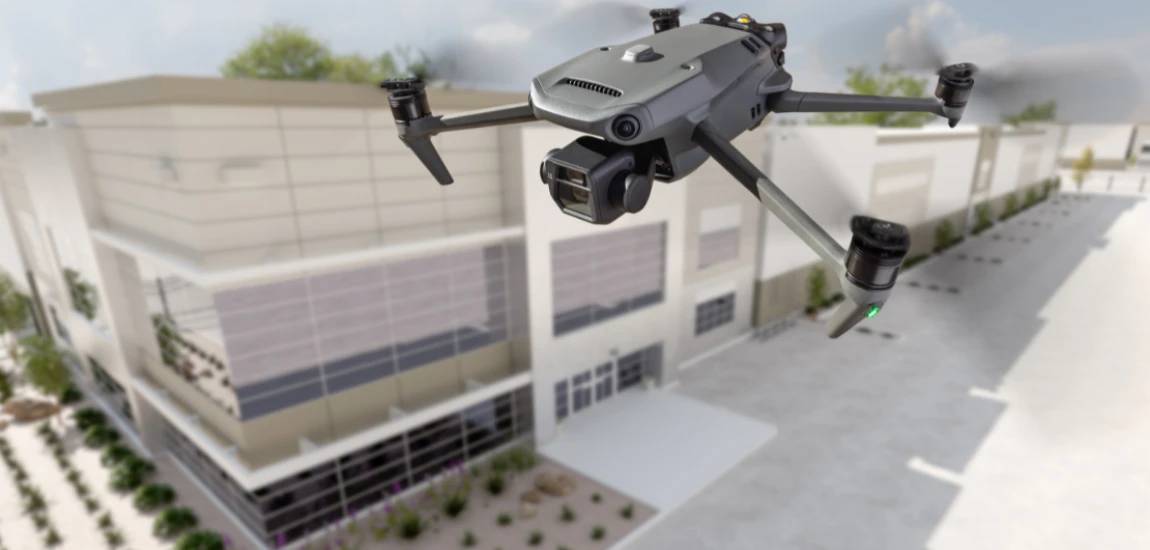
The rapid advancement of artificial intelligence, robotics, wireless communication, and sensor technologies has transformed modern drone systems into highly intelligent aerial platforms capable of autonomous operation and real-time decision-making. Traditional aerial surveillance methods often rely heavily on human operators, limited flight adaptability, and centralized monitoring systems. Autonomous drone intelligence systems are now revolutionizing aerial operations through AI-powered automation, predictive analytics, and dynamic surveillance architectures.
Modern drones are no longer limited to simple remote-controlled devices. They are becoming intelligent aerial systems capable of analyzing environments, avoiding obstacles, coordinating with other drones, and responding to changing operational conditions autonomously. Dynamic aerial surveillance architectures integrate machine learning, computer vision, GPS systems, cloud computing, and edge AI technologies to create highly responsive monitoring ecosystems.
Industries such as defense, agriculture, logistics, disaster management, infrastructure inspection, and environmental monitoring increasingly rely on autonomous drone systems to improve operational efficiency and situational awareness. AI-powered drones can collect and process vast amounts of real-time data while operating in complex and unpredictable environments.
From military reconnaissance missions and border surveillance to smart farming and urban delivery services, intelligent drone technologies are reshaping the future of aerial operations. As autonomous systems continue evolving, drone intelligence architectures are becoming essential for building scalable, adaptive, and efficient aerial monitoring networks.
Understanding Autonomous Drone Intelligence Systems

Autonomous drone intelligence systems combine artificial intelligence, robotics, sensor fusion, and advanced navigation technologies to enable drones to operate independently with minimal human intervention.
Artificial Intelligence in Drone Operations
Artificial intelligence plays a critical role in enabling drones to analyze data, recognize patterns, and make autonomous operational decisions in real time. AI algorithms process visual imagery, sensor inputs, environmental conditions, and navigation data continuously during flight operations.
Machine learning technologies allow drones to improve flight behavior and mission performance over time by learning from previous operational experiences. Intelligent drones can identify obstacles, recognize targets, optimize flight routes, and adapt to changing weather conditions automatically.
AI-powered systems also support predictive flight management by analyzing drone performance and identifying potential technical issues before operational failures occur. This improves drone reliability, safety, and mission effectiveness significantly.
Intelligent Navigation and Autonomous Flight
Autonomous drones use advanced navigation technologies such as GPS, LiDAR, radar systems, and computer vision to navigate complex environments independently.
Intelligent navigation systems allow drones to avoid obstacles, maintain stable flight paths, and execute missions without direct human control. Real-time environmental mapping improves operational precision and reduces collision risks.
Autonomous flight capabilities are especially important for long-range surveillance missions, industrial inspections, and emergency response operations where rapid decision-making and operational flexibility are critical.
Sensor Fusion and Real-Time Data Processing
Modern drone systems integrate multiple sensors to improve environmental awareness and operational intelligence. Cameras, thermal sensors, infrared imaging systems, ultrasonic sensors, and motion detectors work together to collect comprehensive situational data.
Sensor fusion technologies combine information from different sources to improve target detection, terrain analysis, and aerial monitoring accuracy. AI-powered edge processing systems analyze this data locally during flight operations to reduce latency and improve responsiveness.
Real-time data processing enables drones to make instant operational adjustments and support mission-critical applications effectively.
Dynamic Aerial Surveillance Architectures

Dynamic aerial surveillance architectures create interconnected monitoring ecosystems that improve aerial intelligence, situational awareness, and operational coordination.
Real-Time Surveillance and Monitoring
AI-powered drone surveillance systems continuously monitor environments and transmit live data to operational centers. These systems support real-time observation of large geographic areas, infrastructure facilities, transportation networks, and critical assets.
Intelligent surveillance drones use computer vision and object recognition technologies to detect suspicious activities, identify moving targets, and analyze environmental changes automatically.
Real-time aerial monitoring improves operational visibility and enables faster responses to security threats, environmental hazards, and emergency situations.
Adaptive Mission Coordination
Dynamic surveillance architectures allow drones to adapt mission strategies based on operational conditions and incoming data. AI-driven coordination systems optimize drone flight paths, task allocation, and aerial coverage automatically.
Autonomous drone fleets can collaborate during missions by sharing information and coordinating activities in real time. This collaborative intelligence improves operational efficiency and expands surveillance capabilities.
Adaptive mission management is especially valuable in disaster response, military reconnaissance, and search-and-rescue operations where conditions change rapidly.
Cloud and Edge Computing Integration
Modern aerial surveillance systems combine cloud computing and edge AI technologies to support scalable and intelligent drone operations.
Edge computing enables drones to process data locally during flight missions, reducing latency and improving real-time responsiveness. Cloud platforms provide centralized analytics, long-term data storage, and operational coordination across multiple drone systems.
This hybrid architecture improves scalability, data accessibility, and operational efficiency for large-scale aerial monitoring networks.
Applications of Autonomous Drone Intelligence Technologies

Autonomous drone systems are transforming multiple industries through intelligent aerial automation and advanced surveillance capabilities.
Defense and Border Security
Military and defense organizations use autonomous drones for reconnaissance, surveillance, intelligence gathering, and battlefield monitoring operations.
AI-powered drones monitor borders, track unauthorized activities, and support military situational awareness with minimal human risk exposure. Autonomous surveillance systems improve operational speed and reduce the need for manned aerial missions.
Drone swarms and intelligent aerial defense systems are becoming increasingly important for modern military strategies and national security operations.
Agriculture and Precision Farming
Agricultural industries use intelligent drones to improve crop monitoring, irrigation management, and farming efficiency.
AI-powered agricultural drones analyze soil conditions, crop health, and environmental factors through aerial imaging and multispectral sensors. Farmers use this information to optimize fertilizer usage, detect diseases early, and improve crop productivity.
Precision farming technologies supported by autonomous drones reduce resource waste while improving agricultural sustainability and food production efficiency.
Logistics and Delivery Services
Logistics companies are increasingly exploring autonomous drone delivery systems for transporting packages, medical supplies, and essential goods.
AI-driven navigation systems optimize delivery routes and improve operational speed while reducing transportation costs. Autonomous delivery drones are especially valuable for remote areas, emergency healthcare deliveries, and urban logistics operations.
Intelligent aerial delivery networks could significantly transform future transportation and supply chain infrastructures.
Benefits of Dynamic Drone Surveillance Systems

Autonomous drone intelligence systems provide several operational, economic, and strategic advantages across industries.
Enhanced Operational Efficiency
Autonomous drones perform surveillance, inspection, and monitoring tasks faster and more efficiently than traditional manual methods.
AI-powered automation reduces the need for continuous human control while improving mission accuracy and operational productivity. Intelligent route optimization also minimizes energy consumption and flight time.
Organizations benefit from lower operational costs and improved resource utilization through advanced drone automation systems.
Improved Safety and Risk Reduction
Drone systems reduce human exposure to dangerous environments such as disaster zones, military conflict areas, industrial facilities, and hazardous weather conditions.
Autonomous aerial monitoring improves worker safety while enabling organizations to conduct operations in inaccessible or high-risk locations. Predictive analytics and obstacle avoidance technologies further enhance operational safety.
Drone surveillance systems also improve public safety through emergency monitoring and disaster response coordination.
Real-Time Intelligence and Decision-Making
Dynamic surveillance architectures provide organizations with real-time situational awareness and operational intelligence.
AI-powered drones analyze aerial data instantly and deliver actionable insights for security operations, environmental monitoring, infrastructure inspections, and emergency response activities.
Faster decision-making improves operational responsiveness and supports proactive management strategies across multiple industries.


Gary Arndt operates "Everything Everywhere," a blog focusing on worldwide travel. An award-winning photographer, Gary shares stunning visuals alongside his travel tales.
Gary Arndt
Prev Post

Next Post