
AI-Based Smart Manufacturing Systems and Predictive Industrial Automation Networks
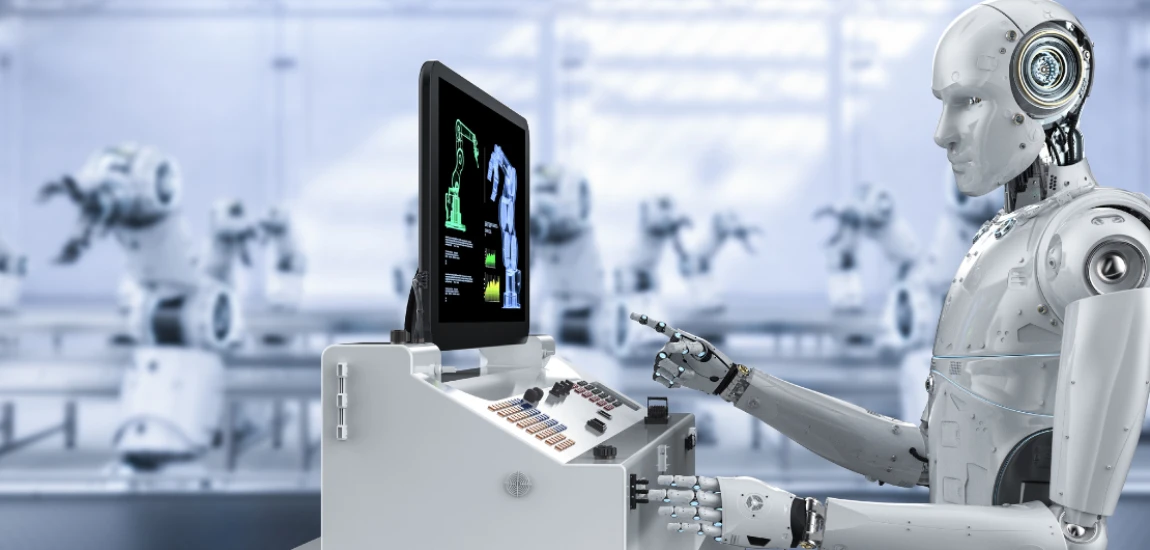
The manufacturing industry is experiencing a major transformation driven by artificial intelligence, industrial automation, robotics, and advanced data analytics. Traditional production methods often struggle with inefficiencies, equipment downtime, rising operational costs, and inconsistent product quality. AI-based smart manufacturing systems are emerging as innovative solutions that improve productivity, reduce waste, and enable intelligent decision-making across industrial operations.
Modern manufacturing facilities are increasingly integrating AI-powered automation systems, Internet of Things devices, cloud computing platforms, and predictive analytics frameworks to create highly connected smart factories. These intelligent ecosystems continuously monitor production processes, analyze operational data, and optimize manufacturing performance in real time.
Predictive industrial automation networks use machine learning algorithms and sensor technologies to forecast equipment failures, streamline workflows, and improve resource utilization. Industries such as automotive, electronics, aerospace, pharmaceuticals, and consumer goods manufacturing are adopting intelligent automation technologies to remain competitive in rapidly evolving global markets.
From robotic assembly lines and autonomous quality inspection systems to predictive maintenance and intelligent supply chain management, AI-driven manufacturing technologies are reshaping industrial operations worldwide. As digital transformation accelerates, smart manufacturing systems are becoming essential for building efficient, scalable, and sustainable industrial ecosystems.
Understanding AI-Based Smart Manufacturing Systems

AI-based smart manufacturing systems combine artificial intelligence, machine learning, robotics, and industrial connectivity technologies to improve production efficiency and operational intelligence.
Artificial Intelligence in Manufacturing Operations
Artificial intelligence enables manufacturing systems to process large amounts of operational data and make intelligent decisions automatically. AI algorithms analyze machine performance, production speed, energy consumption, and quality control data to optimize manufacturing processes continuously.
Machine learning technologies improve factory efficiency by identifying operational patterns and predicting potential disruptions before they affect production. AI-powered systems can automatically adjust manufacturing parameters to maintain product quality and reduce waste.
Manufacturers use AI to automate repetitive tasks, improve inventory management, and enhance production planning. Intelligent automation reduces manual errors while increasing consistency and operational accuracy.
Smart Factory Infrastructure
Smart factories rely on interconnected digital infrastructures that integrate machines, sensors, software platforms, and communication networks into unified manufacturing ecosystems.
Industrial Internet of Things devices continuously collect data from production equipment, robotic systems, and operational environments. AI-powered analytics platforms process this information in real time to improve workflow coordination and manufacturing visibility.
Connected factory systems enable seamless communication between departments, suppliers, and production facilities, improving collaboration and operational efficiency across the manufacturing chain.
Intelligent Robotics and Automation
Modern manufacturing systems increasingly use intelligent robotics to handle assembly, packaging, inspection, and material handling operations. AI-powered robots can adapt to changing production requirements and perform complex tasks with high precision.
Collaborative robots, also known as cobots, work alongside human employees to improve productivity and workplace safety. These systems use advanced sensors and machine learning algorithms to interact safely and efficiently within manufacturing environments.
Intelligent robotics reduces labor-intensive processes while supporting scalable and flexible production operations.
Predictive Industrial Automation Networks

Predictive industrial automation networks use AI-driven analytics and real-time monitoring systems to improve industrial performance and prevent operational failures.
Predictive Maintenance Technologies
Equipment failures can cause costly production delays and operational disruptions in manufacturing facilities. Predictive maintenance systems use machine learning algorithms and sensor data to identify potential equipment issues before breakdowns occur.
AI-powered monitoring systems analyze vibration patterns, temperature changes, pressure levels, and machine performance metrics continuously. When abnormalities are detected, maintenance teams receive alerts for preventive action.
Predictive maintenance reduces downtime, extends equipment lifespan, and lowers maintenance costs by replacing reactive repair strategies with proactive maintenance planning.
Real-Time Production Monitoring
Smart manufacturing systems continuously monitor production lines and operational processes in real time. AI-driven analytics platforms provide manufacturers with instant visibility into production efficiency, machine performance, and workflow bottlenecks.
Real-time monitoring helps manufacturers identify inefficiencies quickly and implement corrective actions immediately. Automated reporting systems also improve production transparency and support data-driven operational decisions.
Manufacturers benefit from improved production consistency, faster problem resolution, and enhanced operational control through intelligent monitoring technologies.
Adaptive Workflow Optimization
AI-based automation networks dynamically optimize manufacturing workflows based on operational conditions and production demands. Intelligent systems automatically adjust scheduling, resource allocation, and production sequencing to maximize efficiency.
Adaptive optimization technologies improve supply chain coordination, reduce production delays, and support flexible manufacturing operations. Factories can respond rapidly to changing customer demands and market conditions.
This adaptability is especially valuable in industries requiring customized production and fast operational responsiveness.
Applications of Smart Manufacturing Technologies

AI-powered manufacturing systems are transforming multiple industrial sectors through intelligent automation and predictive operational management.
Automotive Manufacturing and Robotics
The automotive industry has become one of the largest adopters of AI-driven manufacturing technologies. Intelligent robotic systems perform welding, painting, assembly, and inspection tasks with exceptional precision and speed.
Predictive automation networks monitor vehicle production processes continuously to ensure quality control and operational consistency. AI-powered analytics also improve supply chain coordination and inventory management within automotive manufacturing facilities.
Autonomous manufacturing technologies help automotive companies reduce production costs while increasing operational efficiency and product reliability.
Electronics and Semiconductor Production
Electronics manufacturing requires extreme precision and quality assurance due to the complexity of semiconductor and electronic component production.
AI-powered inspection systems use computer vision and machine learning algorithms to detect microscopic defects in electronic products. Intelligent automation improves manufacturing accuracy while reducing product defects and material waste.
Smart manufacturing technologies also support faster production cycles and enhanced operational scalability in electronics industries.
Pharmaceutical and Healthcare Manufacturing
Pharmaceutical companies use AI-driven manufacturing systems to improve drug production quality, regulatory compliance, and operational efficiency.
Intelligent automation technologies monitor chemical processes, environmental conditions, and packaging operations in real time. Predictive analytics help manufacturers maintain strict quality standards and prevent contamination risks.
AI-powered manufacturing frameworks also accelerate pharmaceutical research and production processes while improving healthcare product reliability.
Benefits of AI-Based Smart Manufacturing Systems

The integration of artificial intelligence into manufacturing environments provides numerous operational, financial, and strategic advantages.
Increased Productivity and Efficiency
AI-powered automation systems improve manufacturing productivity by reducing manual intervention and optimizing operational workflows. Intelligent machines can operate continuously with minimal downtime and high precision.
Real-time analytics help manufacturers identify inefficiencies and improve production performance proactively. Automated scheduling and workflow coordination also reduce delays and improve operational throughput.
Higher productivity enables manufacturers to meet growing market demands while maintaining operational quality and cost efficiency.
Improved Quality Control and Accuracy
Maintaining consistent product quality is essential in competitive manufacturing industries. AI-driven quality inspection systems analyze products continuously to identify defects and production inconsistencies.
Machine learning algorithms improve inspection accuracy by learning from historical quality data and operational patterns. Automated quality control reduces human error and enhances product reliability.
Manufacturers benefit from reduced defect rates, improved customer satisfaction, and stronger brand reputation through intelligent quality management systems.
Cost Reduction and Resource Optimization
AI-based manufacturing systems optimize energy consumption, raw material usage, and labor allocation to reduce operational costs.
Predictive maintenance minimizes expensive equipment failures and production interruptions. Intelligent supply chain management systems also improve inventory efficiency and reduce material waste.
Cost-efficient manufacturing operations help organizations improve profitability while supporting sustainable industrial development strategies.


Gary Arndt operates "Everything Everywhere," a blog focusing on worldwide travel. An award-winning photographer, Gary shares stunning visuals alongside his travel tales.
Gary Arndt

Prev Post

Next Post