
Autonomous Disaster Prediction Networks and AI-Powered Global Risk Mitigation Systems
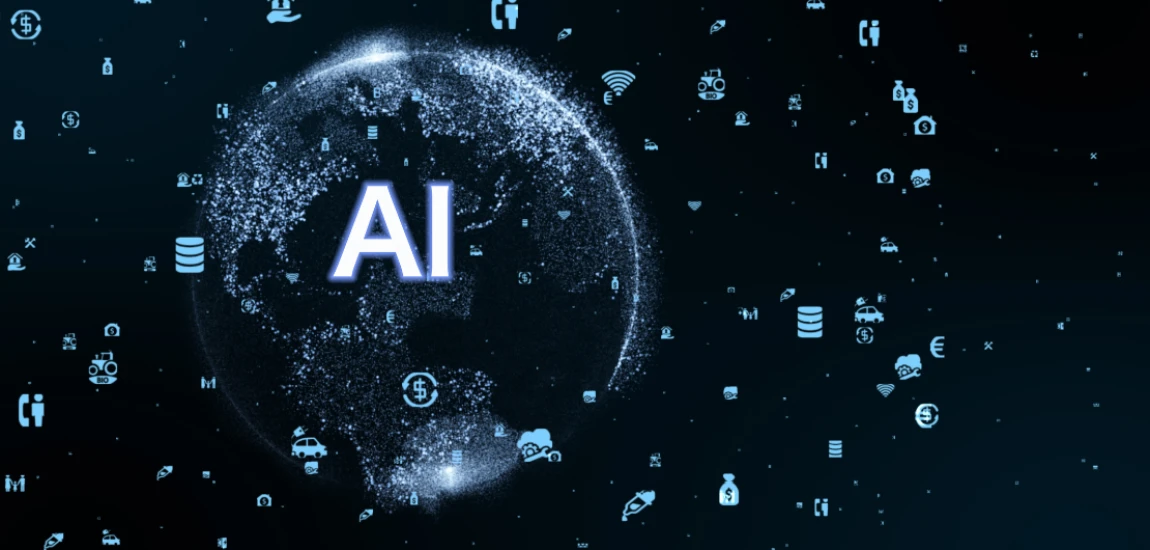
Natural disasters and large-scale emergencies continue to pose significant threats to societies, economies, and ecosystems around the world. Earthquakes, hurricanes, floods, wildfires, tsunamis, droughts, volcanic eruptions, pandemics, and climate-related events cause billions of dollars in damages annually while endangering millions of lives. Traditional disaster management approaches often rely on reactive measures, which limit the ability of governments and organizations to respond effectively before catastrophic events occur.
Recent advances in artificial intelligence, machine learning, cloud computing, satellite technologies, Internet of Things (IoT) networks, autonomous sensors, and big data analytics are enabling a new generation of disaster management solutions known as Autonomous Disaster Prediction Networks. These systems continuously collect environmental, geological, atmospheric, and infrastructure data from multiple sources and use advanced algorithms to identify risks before disasters escalate.
Unlike conventional warning systems that primarily provide alerts after detecting immediate threats, autonomous disaster prediction networks are designed to forecast potential disasters days, weeks, or even months in advance. Combined with AI-powered global risk mitigation systems, they can automate monitoring, coordinate emergency responses, optimize resource allocation, and improve public safety outcomes.
As climate change increases the frequency and intensity of extreme weather events and global infrastructure becomes more interconnected, intelligent disaster prediction technologies are becoming essential tools for resilience planning. These systems represent a significant step toward creating safer communities, reducing economic losses, and improving humanity's ability to manage complex global risks.
Understanding Autonomous Disaster Prediction Networks

The Evolution of Disaster Forecasting
Historically, disaster prediction relied heavily on manual observation, limited sensor networks, and statistical forecasting methods. While these approaches provided valuable information, they often lacked the speed, accuracy, and predictive capabilities necessary for modern risk management.
Autonomous disaster prediction networks represent a major advancement by combining real-time monitoring with AI-driven analytics. These systems continuously process massive datasets from satellites, weather stations, seismic sensors, ocean buoys, drones, and connected infrastructure devices. Instead of reacting to isolated data points, they evaluate complex patterns and correlations across multiple variables.
This shift from reactive monitoring to predictive intelligence enables earlier warnings and more informed decision-making.
Components of Modern Prediction Networks
A comprehensive disaster prediction network integrates several advanced technologies. IoT sensors collect environmental information, satellites provide large-scale monitoring, cloud platforms store and process data, and AI models generate forecasts and risk assessments.
Machine learning algorithms continuously improve prediction accuracy by learning from historical events and newly collected information. Edge computing systems allow localized analysis and rapid response in critical situations.
Together, these components create highly adaptive networks capable of monitoring global risks in real time.
Why Autonomous Systems Matter
The growing complexity of environmental and societal risks requires solutions that can operate continuously without constant human supervision. Autonomous systems provide scalability, speed, and reliability while reducing response delays.
These capabilities are increasingly important as populations grow and climate-related challenges intensify.
Artificial Intelligence and Predictive Disaster Analytics

The Role of Machine Learning
Machine learning serves as the analytical engine behind modern disaster prediction systems. By processing vast amounts of historical and real-time data, AI models can identify subtle indicators of potential disasters that traditional methods might overlook.
Algorithms analyze weather patterns, seismic activity, ocean temperatures, vegetation conditions, and infrastructure performance to generate highly accurate forecasts. These predictions support proactive planning and risk mitigation efforts.
As datasets expand, machine learning systems become increasingly effective at recognizing emerging threats.
Predicting Complex Disaster Scenarios
Many disasters result from interactions among multiple factors rather than a single cause. AI excels at evaluating these complex relationships and generating probabilistic forecasts.
For example, flood prediction systems may analyze rainfall patterns, soil moisture levels, river flow rates, land use changes, and weather forecasts simultaneously. This comprehensive approach improves prediction accuracy and enables earlier interventions.
Complex scenario analysis is one of AI's most valuable contributions to disaster management.
Continuous Learning and Adaptation
Unlike traditional forecasting models, AI systems continuously refine their predictions based on new information. Every disaster event provides additional data that helps improve future forecasts.
This self-improving capability ensures that autonomous prediction networks become more effective over time.
Global Environmental Monitoring and Real-Time Data Collection

Satellite-Based Observation Systems
Satellites provide critical information for monitoring Earth's atmosphere, oceans, land surfaces, and environmental conditions. Modern disaster prediction networks rely heavily on satellite imagery and remote sensing technologies.
These systems can track hurricanes, monitor wildfire development, detect flooding, observe drought conditions, and assess infrastructure impacts across large geographic areas.
Satellite monitoring provides comprehensive situational awareness on a global scale.
Internet of Things Sensor Networks
IoT devices play an essential role in collecting localized environmental data. Sensors measure temperature, humidity, pressure, air quality, seismic activity, water levels, and structural integrity in real time.
Distributed sensor networks enable continuous monitoring of critical regions and infrastructure assets. This detailed information improves prediction accuracy and supports rapid response efforts.
As sensor technologies become more affordable, monitoring coverage continues expanding.
Autonomous Drones and Robotics
Drones and robotic platforms provide additional monitoring capabilities, particularly in remote or hazardous environments. Equipped with advanced sensors and imaging systems, these technologies can collect data from disaster-prone regions where human access may be difficult.
Their flexibility enhances overall network effectiveness and situational awareness.
AI-Powered Risk Mitigation and Emergency Response Systems

Proactive Risk Management
Prediction alone is insufficient without effective mitigation strategies. AI-powered risk mitigation systems transform forecasts into actionable plans designed to reduce disaster impacts.
These systems evaluate risk levels, recommend protective measures, and prioritize interventions based on available resources. Governments and organizations can implement preventive actions before disasters occur.
Proactive management significantly improves resilience and preparedness.
Intelligent Resource Allocation
Disaster response often requires rapid deployment of personnel, equipment, medical supplies, and emergency services. AI systems optimize resource allocation by analyzing predicted impacts and operational constraints.
This capability ensures that resources are positioned where they are most needed, reducing response times and improving outcomes.
Efficient resource management is essential during large-scale emergencies.
Coordinating Emergency Operations
AI-driven platforms can coordinate multiple agencies and stakeholders simultaneously. Emergency responders, government authorities, healthcare providers, and infrastructure operators receive synchronized information and recommendations.
Improved coordination enhances decision-making and supports more effective crisis management.


Gary Arndt operates "Everything Everywhere," a blog focusing on worldwide travel. An award-winning photographer, Gary shares stunning visuals alongside his travel tales.
Gary Arndt
Prev Post

Next Post