
AI-Powered Transportation Intelligence Systems and Next-Generation Mobility Architectures
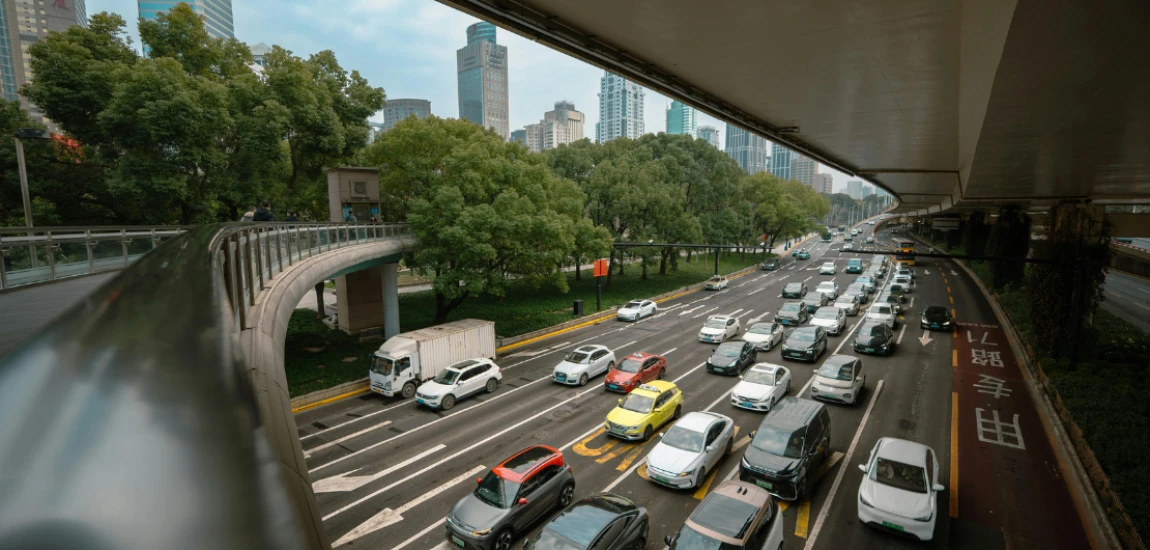
Transportation systems are evolving rapidly due to the increasing demand for smarter, safer, and more efficient mobility solutions. Traditional transportation networks often face challenges such as traffic congestion, fuel inefficiency, road accidents, environmental pollution, and poor infrastructure coordination. As urban populations continue to grow, cities and transportation authorities are turning toward advanced digital technologies to modernize mobility systems.
AI-powered transportation intelligence systems and next-generation mobility architectures are emerging as transformative solutions for modern transportation challenges. These intelligent systems use artificial intelligence, machine learning, Internet of Things technologies, and predictive analytics to optimize traffic flow, improve transportation safety, and support autonomous mobility solutions.
From self-driving vehicles and intelligent traffic management systems to connected public transportation and smart logistics networks, AI is reshaping how people and goods move across cities and countries. These systems analyze real-time transportation data, predict traffic patterns, automate operational processes, and improve overall mobility efficiency.
Next-generation mobility architectures focus on integrating connected vehicles, smart infrastructure, and digital transportation ecosystems into unified intelligent networks. These technologies aim to create sustainable, efficient, and highly adaptive transportation environments capable of meeting future urban mobility demands.
In this blog, we will explore the technologies, applications, benefits, challenges, and future potential of AI-powered transportation intelligence systems and next-generation mobility architectures.
Understanding AI-Powered Transportation Intelligence Systems

AI-powered transportation intelligence systems are advanced frameworks that use artificial intelligence and real-time analytics to optimize transportation operations and mobility management.
Role of Artificial Intelligence in Transportation
Artificial intelligence has become a critical component of modern transportation systems. AI algorithms analyze massive volumes of traffic data, weather conditions, road activity, and vehicle behavior to improve transportation efficiency and decision-making.
Machine learning models can identify traffic congestion patterns, predict travel delays, and optimize transportation routes dynamically. These systems help reduce travel time, improve fuel efficiency, and enhance road safety.
AI also supports intelligent automation in transportation operations, including predictive maintenance, autonomous driving technologies, and smart fleet management systems.
By enabling data-driven decision-making, AI is transforming transportation from reactive systems into intelligent and predictive mobility ecosystems.
Intelligent Traffic Monitoring and Analysis
Modern transportation systems generate enormous amounts of data from traffic cameras, sensors, GPS systems, connected vehicles, and smart infrastructure.
AI-powered transportation intelligence platforms process this data in real time to monitor road conditions, identify accidents, and optimize traffic flow. Intelligent traffic monitoring systems can automatically adjust traffic signals and reroute vehicles to reduce congestion.
Real-time analytics also help transportation authorities respond quickly to emergencies and road disruptions.
These capabilities improve urban mobility and reduce transportation inefficiencies significantly.
Importance of Smart Mobility Systems
Smart mobility systems are essential for managing increasing transportation demands in modern cities.
Traditional transportation infrastructures often struggle with overcrowding, inefficient route planning, and environmental sustainability challenges. Intelligent mobility systems solve these problems by enabling connected, automated, and data-driven transportation networks.
These systems improve transportation accessibility, reduce operational costs, and support sustainable urban development.
As cities continue to expand globally, smart transportation intelligence systems will become increasingly important for future mobility planning.
Next-Generation Mobility Architectures Explained

Next-generation mobility architectures integrate advanced technologies to create connected, intelligent, and adaptive transportation ecosystems.
Connected Transportation Ecosystems
Connected mobility systems enable communication between vehicles, infrastructure, traffic management systems, and digital platforms.
This connectivity allows transportation networks to share real-time information regarding traffic conditions, road hazards, weather updates, and route optimization.
Vehicle-to-vehicle and vehicle-to-infrastructure communication technologies improve traffic coordination and enhance transportation safety.
Connected ecosystems also support autonomous driving systems and intelligent urban transportation planning.
Autonomous Mobility and Self-Driving Technologies
Autonomous vehicles are among the most significant innovations in next-generation mobility architectures.
AI-powered autonomous driving systems use sensors, cameras, radar, and machine learning algorithms to navigate roads and make driving decisions without human intervention.
Self-driving vehicles improve road safety by reducing human error and optimizing driving behavior. Autonomous mobility solutions also support efficient logistics, public transportation, and ride-sharing services.
As AI technologies continue to improve, autonomous transportation systems are expected to become more reliable and widely adopted.
Smart Infrastructure and Urban Mobility Integration
Smart infrastructure plays a crucial role in supporting intelligent transportation systems.
Connected traffic signals, smart roads, intelligent parking systems, and digital public transportation platforms improve mobility coordination across urban environments.
AI-powered infrastructure systems analyze transportation data continuously to optimize road usage and reduce congestion.
Integrated urban mobility architectures also support environmental sustainability through efficient energy usage and reduced emissions.
Technologies Behind Transportation Intelligence Systems

Several advanced technologies contribute to the effectiveness of AI-powered transportation systems and mobility architectures.
Machine Learning and Predictive Analytics
Machine learning enables transportation systems to analyze patterns and make predictive decisions based on real-time and historical data.
Predictive analytics helps forecast traffic congestion, accident risks, and transportation demand. These insights improve route optimization, fleet management, and transportation planning.
Machine learning also enhances autonomous driving systems by improving object recognition and decision-making capabilities.
Internet of Things and Connected Devices
The Internet of Things connects vehicles, sensors, traffic systems, and transportation infrastructure into intelligent communication networks.
Connected devices collect real-time data related to vehicle performance, road conditions, traffic density, and environmental factors.
AI systems process this information to improve mobility efficiency and transportation safety.
IoT-enabled transportation systems also support remote monitoring and predictive maintenance operations.
Cloud Computing and Edge Intelligence
Cloud computing provides scalable infrastructure for storing and analyzing transportation data.
Transportation organizations use cloud platforms for traffic analytics, route optimization, and fleet management. Edge computing complements cloud systems by processing critical data locally for faster decision-making.
Combining cloud and edge intelligence improves responsiveness and supports ultra-low latency transportation applications.
Applications of AI-Powered Transportation Intelligence Systems

AI-driven transportation systems are transforming multiple mobility sectors through automation and intelligent analytics.
Smart Traffic Management Systems
Cities use AI-powered traffic management systems to monitor road activity and optimize traffic flow.
These systems analyze congestion patterns, adjust traffic signal timings, and provide real-time route recommendations to drivers.
Smart traffic systems reduce travel delays, improve fuel efficiency, and minimize environmental pollution.
Autonomous Public Transportation
Public transportation networks are increasingly adopting autonomous technologies and AI-driven analytics.
Self-driving buses, intelligent metro systems, and connected transit platforms improve operational efficiency and passenger experiences.
AI also helps optimize scheduling, route planning, and passenger flow management within public transportation systems.
Logistics and Fleet Optimization
Transportation and logistics companies use AI-powered systems for fleet management and delivery optimization.
Predictive analytics helps businesses reduce fuel consumption, optimize delivery routes, and improve supply chain efficiency.
Autonomous delivery vehicles and smart logistics platforms further enhance transportation performance and operational reliability.


Anil Polat, behind the blog "FoxNomad," combines technology and travel. A computer security engineer by profession, he focuses on the tech aspects of travel.
Anil Polat

Prev Post
Next Post