
Intelligent Edge IoT Systems and Real-Time Adaptive Sensor Networks
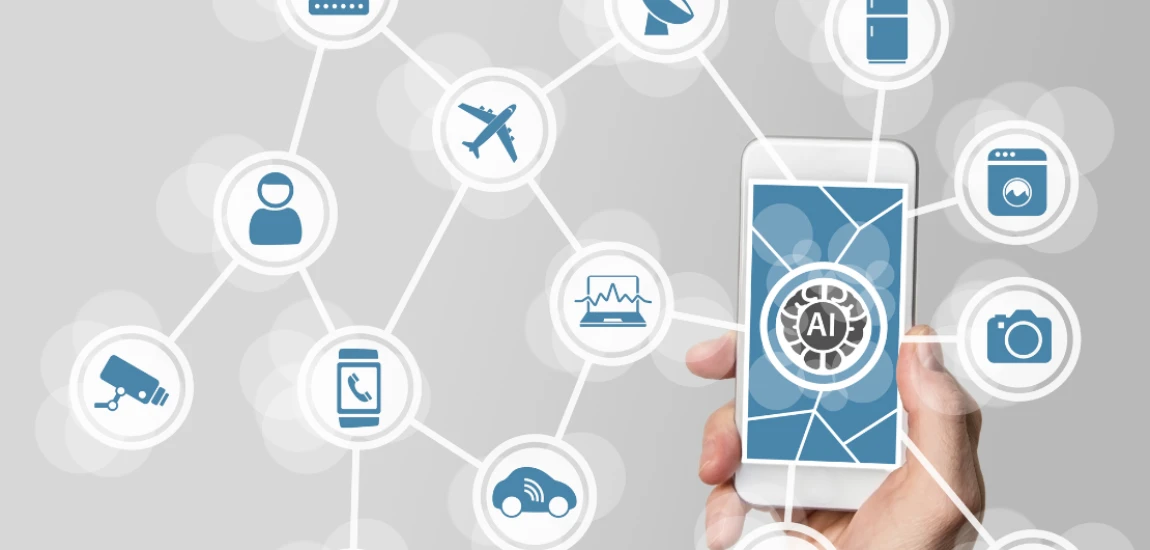
The rapid expansion of the Internet of Things (IoT) has transformed how devices communicate, collect data, and interact with the physical world. However, traditional cloud-based IoT systems often struggle with latency, bandwidth limitations, and real-time responsiveness. To address these challenges, intelligent edge IoT systems and real-time adaptive sensor networks have emerged as a powerful solution. These systems shift computation closer to the data source, enabling faster decision-making and reducing dependency on centralized cloud infrastructure. By integrating artificial intelligence, edge computing, and adaptive sensor technologies, these systems create highly responsive environments capable of real-time monitoring and automation. From smart cities and healthcare systems to industrial automation and environmental monitoring, intelligent edge IoT is reshaping the future of connected technologies.
Understanding Intelligent Edge IoT Systems

What Are Edge IoT Systems?
Intelligent edge IoT systems refer to networks of connected devices that process data locally at or near the source rather than sending it to centralized cloud servers. This approach significantly reduces latency and improves responsiveness.
In traditional IoT architectures, data must travel to the cloud for processing, which can introduce delays. Edge IoT systems eliminate this bottleneck by performing computations directly on edge devices such as sensors, gateways, or local servers.
This makes them ideal for applications requiring real-time decision-making.
Role of Intelligence in Edge Computing
The “intelligent” aspect of edge IoT systems comes from the integration of artificial intelligence and machine learning algorithms. These algorithms enable devices to analyze data, detect patterns, and make decisions autonomously.
For example, a smart surveillance camera can identify suspicious activity without sending all video data to the cloud. This reduces bandwidth usage and improves response time.
Intelligence at the edge also allows systems to adapt to changing conditions dynamically.
Key Characteristics of Edge IoT Systems
Intelligent edge IoT systems are defined by low latency, decentralized processing, and real-time responsiveness. They are highly scalable and can operate independently or as part of a larger network.
They also offer improved reliability, as local processing reduces dependency on internet connectivity.
These characteristics make them suitable for mission-critical applications.
Real-Time Adaptive Sensor Networks Explained

What Are Adaptive Sensor Networks?
Adaptive sensor networks are systems of interconnected sensors that dynamically adjust their behavior based on environmental conditions and data patterns.
Unlike static sensor networks, adaptive systems can modify sampling rates, data transmission, and processing strategies in real time.
This adaptability improves efficiency and ensures that only relevant data is processed and transmitted.
Real-Time Data Processing Capabilities
One of the key features of adaptive sensor networks is their ability to process data in real time. Sensors continuously collect information and adjust their operations based on system requirements.
For example, in environmental monitoring, sensors can increase data collection frequency during extreme weather conditions and reduce it during stable periods.
This dynamic adjustment improves both accuracy and resource efficiency.
Communication Between Sensor Nodes
Adaptive sensor networks rely on communication between nodes to function effectively. Sensors share data and insights, enabling collaborative decision-making.
This distributed communication model enhances system resilience and ensures that the network can continue operating even if individual nodes fail.
It also improves overall data accuracy by combining multiple data sources.
Core Technologies Behind Edge IoT Systems

Artificial Intelligence and Machine Learning
AI and machine learning are central to intelligent edge IoT systems. These technologies enable devices to analyze data locally and make autonomous decisions.
Machine learning models can be trained to detect anomalies, predict failures, and optimize system performance.
This reduces the need for human intervention and improves operational efficiency.
Edge Computing Infrastructure
Edge computing infrastructure provides the foundation for processing data at the edge of the network. It includes edge servers, gateways, and embedded devices.
These components work together to process and store data locally, reducing latency and bandwidth usage.
Edge infrastructure is essential for supporting real-time applications.
IoT Sensors and Connectivity Technologies
IoT sensors are responsible for collecting data from the physical environment. These sensors measure variables such as temperature, humidity, motion, and pressure.
Connectivity technologies such as 5G, Wi-Fi, and LPWAN enable communication between devices and networks.
Together, these technologies ensure seamless data flow and real-time responsiveness.
Applications Across Industries

Smart Cities and Urban Infrastructure
Intelligent edge IoT systems are widely used in smart cities to manage traffic, energy, and public services.
Adaptive sensor networks help monitor air quality, traffic flow, and infrastructure conditions in real time.
This improves urban efficiency and enhances quality of life.
Industrial Automation and Manufacturing
In manufacturing, edge IoT systems enable predictive maintenance, quality control, and process optimization.
Sensors monitor equipment performance and detect anomalies before failures occur.
This reduces downtime and improves productivity.
Healthcare and Remote Monitoring
In healthcare, adaptive sensor networks are used for patient monitoring and remote diagnostics.
Wearable devices collect real-time health data and transmit it to edge systems for analysis.
This enables early detection of health issues and improves patient care.


Gary Arndt operates "Everything Everywhere," a blog focusing on worldwide travel. An award-winning photographer, Gary shares stunning visuals alongside his travel tales.
Gary Arndt

Prev Post

Next Post