
AI-Driven Ocean Monitoring Systems and Marine Ecosystem Protection Networks
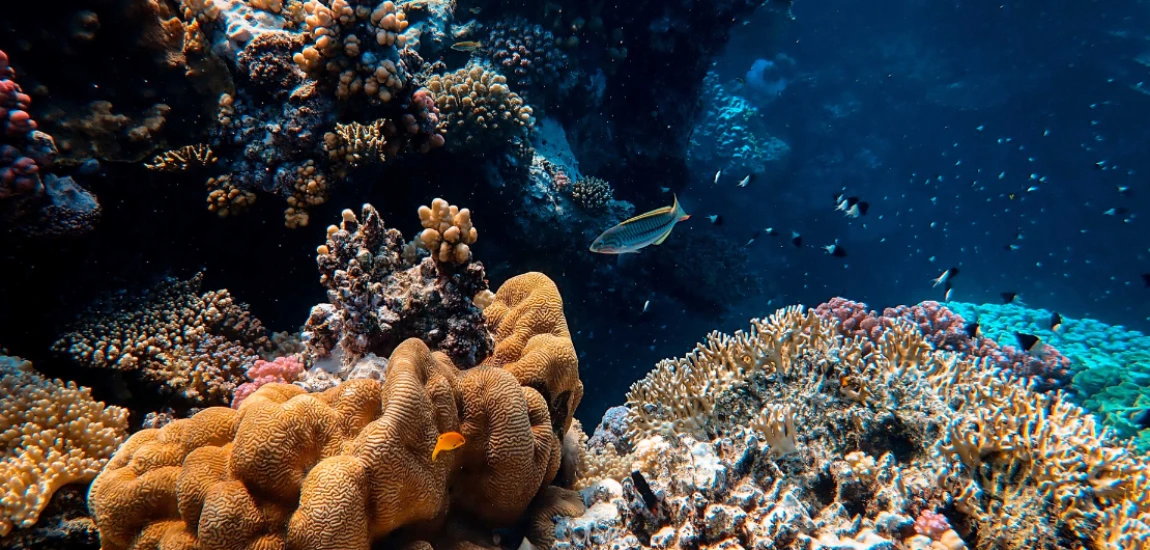
The world’s oceans play a vital role in maintaining global climate balance, supporting biodiversity, and sustaining human life. Oceans regulate weather patterns, absorb carbon dioxide, and provide food and economic resources for billions of people worldwide. However, marine ecosystems are increasingly threatened by climate change, pollution, overfishing, habitat destruction, and illegal maritime activities.
Traditional marine monitoring systems often rely on manual inspections, isolated data collection methods, and delayed environmental analysis. These approaches are no longer sufficient to manage rapidly changing marine conditions and complex environmental challenges. To address these issues, scientists, governments, and environmental organizations are increasingly adopting AI-driven ocean monitoring systems and marine ecosystem protection networks.
These intelligent systems combine artificial intelligence, machine learning, satellite imaging, underwater sensors, autonomous marine vehicles, and predictive analytics to monitor ocean conditions in real time. AI-powered marine networks can analyze massive amounts of environmental data, identify ecosystem risks, predict climate-related changes, and support sustainable marine conservation strategies.
From tracking coral reef health and monitoring illegal fishing activities to predicting ocean pollution and analyzing marine biodiversity, AI is transforming how humans understand and protect ocean ecosystems. These technologies provide faster insights, improved accuracy, and more effective decision-making for marine conservation efforts.
In this blog, we will explore the technologies, applications, benefits, challenges, and future potential of AI-driven ocean monitoring systems and marine ecosystem protection networks.
Understanding AI-Driven Ocean Monitoring Systems

AI-driven ocean monitoring systems are intelligent environmental frameworks that use artificial intelligence and real-time analytics to monitor and protect marine ecosystems.
Role of Artificial Intelligence in Ocean Conservation
Artificial intelligence has become an essential tool for marine conservation and environmental management. Oceans generate enormous amounts of data from satellites, underwater sensors, marine drones, and research stations. AI systems analyze this data continuously to identify environmental patterns, ecosystem changes, and potential threats.
Machine learning algorithms can detect anomalies such as rising sea temperatures, coral bleaching events, harmful algal blooms, and illegal fishing activities. AI also improves environmental forecasting by predicting ocean conditions and marine ecosystem behavior.
These intelligent capabilities allow researchers and environmental organizations to respond faster to ecological threats and improve marine protection strategies.
Real-Time Marine Data Collection and Analysis
Modern ocean monitoring systems rely heavily on real-time data collection technologies.
Underwater sensors, autonomous marine vehicles, satellite systems, and connected buoys continuously gather environmental data related to water temperature, salinity, oxygen levels, pollution, and marine biodiversity.
AI-powered analytics platforms process this information instantly, enabling researchers to monitor marine conditions in real time. This rapid analysis improves environmental visibility and helps identify ecological changes before they become severe.
Real-time monitoring also supports emergency response operations during oil spills, extreme weather events, and marine disasters.
Importance of Intelligent Marine Monitoring
Marine ecosystems are highly dynamic and sensitive to environmental changes. Traditional monitoring methods often fail to provide the speed and accuracy needed for effective conservation.
AI-driven ocean monitoring systems solve this challenge by enabling continuous, automated, and large-scale environmental analysis.
These systems improve marine biodiversity protection, support sustainable resource management, and strengthen global climate resilience efforts.
As environmental pressures continue increasing, intelligent marine monitoring technologies are becoming essential for long-term ocean sustainability.
Marine Ecosystem Protection Networks Explained

Marine ecosystem protection networks are interconnected systems designed to monitor, analyze, and protect ocean environments using advanced digital technologies.
Connected Marine Surveillance Systems
Marine protection networks integrate satellites, underwater drones, smart buoys, and coastal monitoring systems into unified environmental surveillance platforms.
These connected systems continuously exchange data and provide comprehensive visibility across ocean ecosystems.
AI algorithms analyze information from multiple sources to detect illegal fishing activities, monitor shipping traffic, and identify environmental threats.
Connected surveillance improves marine law enforcement and strengthens ecosystem protection efforts globally.
Predictive Environmental Risk Analysis
Predictive analytics is a major component of marine ecosystem protection frameworks.
AI-powered systems analyze historical and real-time environmental data to predict risks such as coral bleaching, ocean acidification, rising sea levels, and marine pollution.
Predictive models help environmental organizations prepare for ecological changes and develop proactive conservation strategies.
For example, AI systems can forecast harmful algal blooms before they spread and threaten marine life or coastal communities.
Smart Resource Management and Sustainability
Marine ecosystem protection networks also support sustainable ocean resource management.
AI systems analyze fishing patterns, marine population trends, and environmental conditions to recommend sustainable harvesting strategies.
These technologies help prevent overfishing and protect endangered marine species.
Smart resource management improves ecosystem balance while supporting economic sustainability for coastal communities.
Technologies Behind Ocean Monitoring Systems

Several advanced technologies contribute to the effectiveness of AI-driven ocean monitoring systems and marine protection networks.
Satellite Imaging and Remote Sensing
Satellite technology provides large-scale visibility of ocean environments and climate conditions.
Remote sensing systems monitor sea surface temperatures, ocean currents, pollution levels, and marine weather patterns.
AI algorithms analyze satellite imagery to detect environmental anomalies and track ecosystem changes more accurately.
Satellite monitoring also supports maritime security and disaster response operations.
Internet of Things and Underwater Sensors
The Internet of Things enables continuous data collection across marine ecosystems.
Smart sensors and connected underwater devices monitor environmental conditions such as temperature, oxygen levels, pH balance, and acoustic activity.
These sensors transmit data to AI platforms for real-time analysis and predictive modeling.
IoT-based monitoring improves environmental awareness and enables faster conservation responses.
Autonomous Marine Vehicles and Robotics
Autonomous underwater vehicles and marine drones are increasingly used for ocean exploration and environmental monitoring.
These robotic systems can operate in deep-sea environments and hazardous conditions where human access is limited.
AI-powered robots collect data, inspect marine infrastructure, and monitor biodiversity with high accuracy.
Autonomous technologies improve efficiency and expand the reach of marine research operations.
Applications of AI-Driven Ocean Monitoring Systems

AI-powered marine technologies are transforming multiple areas of ocean conservation and environmental management.
Coral Reef Monitoring and Protection
Coral reefs are among the most endangered marine ecosystems due to climate change and pollution.
AI systems analyze underwater imagery and environmental data to monitor coral health and detect bleaching events.
Real-time reef monitoring helps conservationists take protective actions before irreversible damage occurs.
AI-powered reef protection also supports biodiversity preservation and marine tourism sustainability.
Illegal Fishing Detection and Maritime Security
Illegal fishing is a major threat to global marine ecosystems and fish populations.
AI-driven surveillance systems monitor vessel activity using satellite data, GPS tracking, and machine learning analytics.
These systems can identify suspicious maritime behavior and support law enforcement operations.
Improved maritime security helps protect marine resources and strengthen international conservation efforts.
Ocean Pollution and Climate Monitoring
Marine pollution, including plastic waste and oil spills, poses serious risks to ocean ecosystems.
AI-powered monitoring systems track pollution sources, analyze environmental impacts, and support cleanup operations.
Climate monitoring technologies also analyze ocean temperature changes, rising sea levels, and carbon absorption patterns.
These insights support global climate research and environmental policy development.


Kate McCulley, the voice behind "Adventurous Kate," provides travel advice tailored for women. Her blog encourages safe and adventurous travel for female readers.
Kate McCulley

Prev Post

Next Post