
Autonomous Retail Intelligence Systems and Smart Consumer Behavior Analysis Frameworks
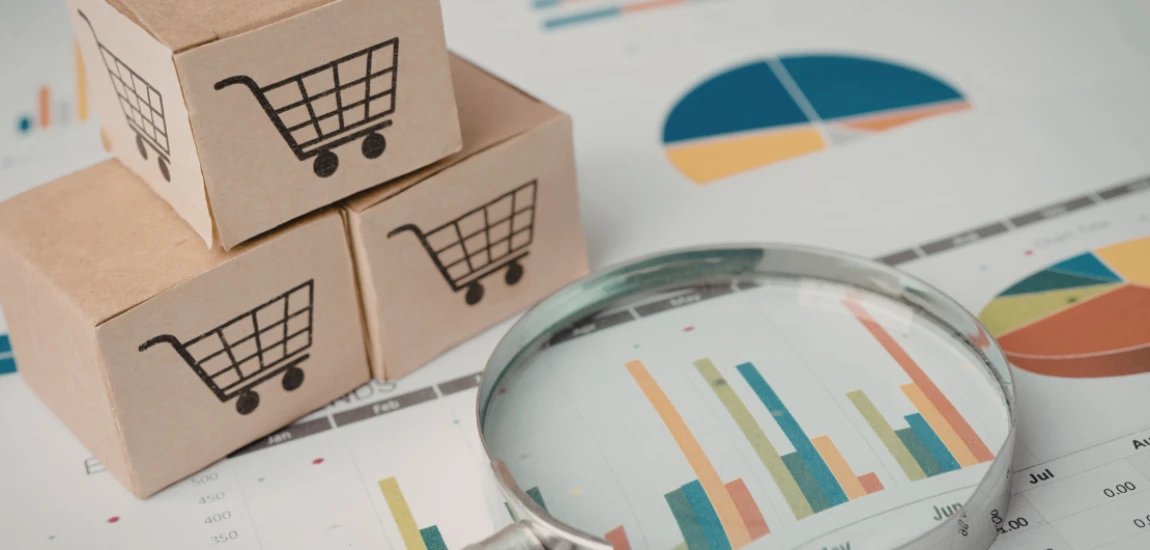
The retail industry is undergoing a massive transformation driven by artificial intelligence, machine learning, big data analytics, and automation technologies. Traditional retail systems relied heavily on manual processes, limited customer insights, and generalized marketing strategies. These outdated methods often failed to understand individual customer preferences, resulting in less effective engagement and lower conversion rates.
To overcome these limitations, businesses are increasingly adopting autonomous retail intelligence systems and smart consumer behavior analysis frameworks. These advanced systems use artificial intelligence to analyze customer interactions, purchasing behavior, and market trends in real time.
By combining predictive analytics, automated decision-making, and intelligent data processing, these systems help retailers deliver highly personalized shopping experiences. They also optimize inventory management, pricing strategies, and customer engagement processes.
From e-commerce platforms and supermarkets to fashion brands and smart stores, AI-powered retail systems are reshaping how businesses understand and interact with customers. In this blog, we will explore the technologies, applications, benefits, challenges, and future of autonomous retail intelligence systems and consumer behavior analysis frameworks.
Understanding Autonomous Retail Intelligence Systems

Autonomous retail intelligence systems are AI-driven frameworks that automate decision-making and optimize retail operations by analyzing customer data and market behavior.
Role of Artificial Intelligence in Modern Retail
Artificial intelligence plays a central role in transforming traditional retail into intelligent, data-driven ecosystems. AI systems analyze customer behavior, purchase history, browsing patterns, and product interactions to generate actionable insights.
Machine learning algorithms help retailers understand what customers want, when they want it, and how they prefer to shop. This allows businesses to create personalized marketing strategies and improve customer satisfaction.
AI also automates key retail operations such as pricing adjustments, inventory forecasting, and demand prediction. This reduces human error and increases operational efficiency across retail systems.
Automation in Retail Decision-Making
Autonomous retail systems are designed to make decisions without constant human intervention. These systems can automatically adjust product prices based on demand, competition, and customer behavior.
They can also optimize inventory levels by predicting which products will sell faster and which items may require restocking. This ensures that businesses maintain optimal stock levels while reducing waste and overstocking.
Automation also improves customer service through AI chatbots, virtual assistants, and recommendation engines that provide instant support and personalized suggestions.
Importance of Intelligent Retail Systems
Intelligent retail systems are essential for modern businesses that want to stay competitive in a rapidly evolving market. These systems provide real-time insights that help retailers understand consumer behavior more deeply.
By leveraging AI-powered analytics, businesses can improve decision-making, increase profitability, and enhance customer loyalty. Intelligent systems also enable retailers to respond quickly to changing market trends and consumer demands.
Smart Consumer Behavior Analysis Frameworks

Smart consumer behavior analysis frameworks use artificial intelligence and data analytics to study and interpret customer actions, preferences, and purchasing patterns.
Data Collection and Customer Insights
Modern retail systems collect vast amounts of customer data from online and offline channels. This includes website activity, purchase history, social media interactions, and in-store behavior.
AI systems analyze this data to identify patterns and trends that reveal customer preferences. These insights help businesses understand what influences buying decisions and how customers interact with products.
Data-driven insights allow retailers to design better marketing campaigns and improve customer targeting strategies.
Predictive Behavior Analytics
Predictive analytics is a powerful feature of consumer behavior analysis frameworks. It allows retailers to forecast future buying behavior based on past data.
For example, AI systems can predict which customers are likely to make repeat purchases or which products will become popular in the near future.
This helps businesses prepare inventory, optimize pricing strategies, and launch targeted promotions at the right time.
Personalized Customer Experience
Personalization is a key outcome of smart consumer behavior analysis. AI systems use customer data to create personalized shopping experiences tailored to individual preferences.
This includes product recommendations, personalized discounts, and customized marketing messages.
Personalized experiences increase customer satisfaction and encourage long-term loyalty.
Core Technologies Behind Retail Intelligence Systems

Autonomous retail intelligence systems rely on advanced technologies that work together to create smart and efficient retail environments.
Machine Learning and Predictive Analytics
Machine learning algorithms continuously learn from customer data to improve retail decision-making.
These systems analyze sales trends, customer preferences, and market conditions to predict future outcomes. Predictive analytics helps businesses optimize pricing, inventory, and marketing strategies.
Machine learning also improves recommendation engines, making product suggestions more accurate and relevant.
Internet of Things in Smart Retail
The Internet of Things (IoT) connects physical retail environments with digital systems through smart devices and sensors.
IoT-enabled stores can track customer movement, monitor shelf inventory, and analyze in-store behavior in real time.
This data helps retailers improve store layouts, optimize product placement, and enhance customer experience.
Cloud Computing and Big Data Analytics
Cloud computing provides scalable infrastructure for storing and processing large volumes of retail data.
Big data analytics tools help retailers analyze customer behavior, market trends, and sales performance across multiple channels.
Cloud-based systems also enable real-time data sharing and collaboration across different business units.
Applications of Autonomous Retail Intelligence Systems

AI-powered retail systems are transforming multiple areas of the retail industry through automation and intelligent analytics.
E-Commerce and Online Retail Platforms
E-commerce platforms use AI to personalize shopping experiences, recommend products, and optimize pricing strategies.
AI algorithms analyze browsing behavior and purchase history to suggest relevant products to customers.
This improves conversion rates and increases customer satisfaction in online retail environments.
Smart Physical Stores
Brick-and-mortar stores are becoming smarter through the use of AI and IoT technologies.
Smart shelves, digital kiosks, and automated checkout systems improve customer experience and reduce waiting times.
Retailers can also track in-store behavior to optimize store layouts and product placements.
Inventory and Supply Chain Management
AI systems help retailers manage inventory more efficiently by predicting demand and monitoring stock levels.
Supply chain optimization ensures that products are delivered on time and in the right quantities.
This reduces operational costs and minimizes product shortages or overstock situations.


Shivya Nath authors "The Shooting Star," a blog that covers responsible and off-the-beaten-path travel. She writes about sustainable tourism and community-based experiences.
Shivya Nath

Prev Post
Next Post