
AI-Powered Disaster Prediction Systems: Transforming Emergency Response Coordination Networks
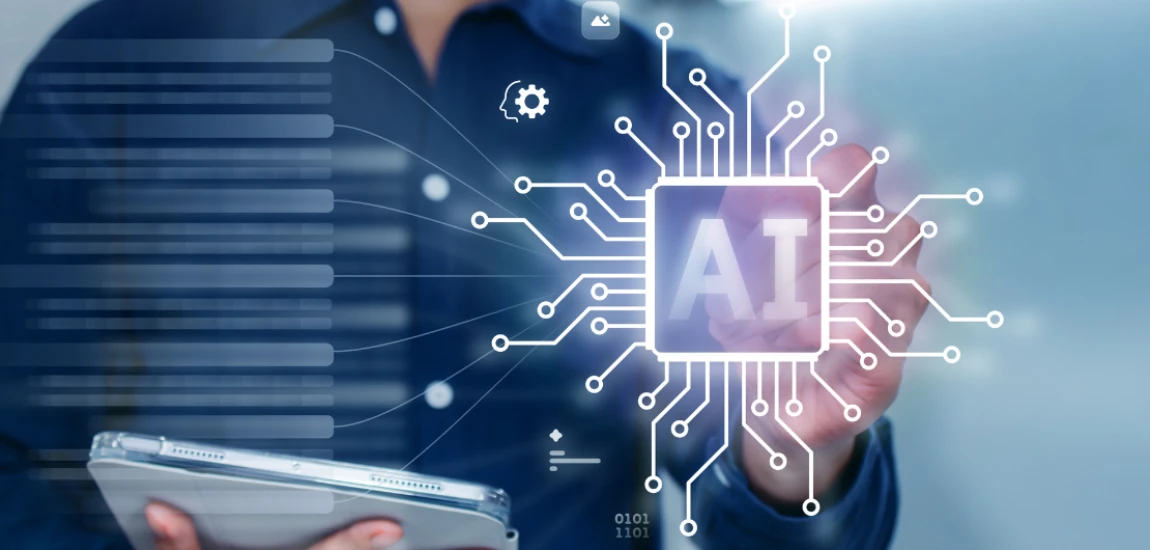
AI-powered disaster prediction systems are transforming how governments, organizations, and communities prepare for and respond to natural and man-made disasters. Traditional disaster management approaches often rely on historical data and manual processes, which can be slow and reactive. In contrast, modern AI-driven systems leverage machine learning, big data analytics, satellite imagery, and real-time sensor inputs to predict disasters before they occur and coordinate rapid responses when they do. These intelligent systems enable early warning mechanisms, efficient resource allocation, and improved communication across emergency response networks. As climate change and urbanization increase the frequency and severity of disasters, the need for advanced, proactive solutions has never been greater. By integrating AI into disaster management frameworks, stakeholders can reduce risks, save lives, and build more resilient communities capable of handling crises effectively.
Understanding AI-Powered Disaster Prediction Systems

What Are AI Disaster Prediction Systems?
AI-powered disaster prediction systems are advanced technologies designed to forecast natural and human-induced disasters using data-driven algorithms. These systems analyze vast amounts of data from various sources, including weather stations, satellites, seismic sensors, and social media, to identify patterns and anomalies that may indicate an impending disaster.
Unlike traditional forecasting methods, AI systems continuously learn and improve their predictions over time. This adaptive capability allows them to provide more accurate and timely warnings, which are crucial for effective disaster preparedness and mitigation.
Role of Machine Learning and Big Data
Machine learning plays a central role in these systems by enabling them to process and analyze large datasets efficiently. Algorithms can identify complex relationships between variables, such as temperature changes, seismic activity, and atmospheric conditions, to predict potential disasters.
Big data technologies support this process by managing and storing massive volumes of information. Together, machine learning and big data create a powerful framework for disaster prediction, allowing organizations to make informed decisions based on real-time insights.
Importance in Modern Risk Management
In today’s world, where disasters are becoming more frequent and unpredictable, AI-powered disaster prediction systems are essential for risk management. They provide early warnings that allow authorities to take preventive measures, such as evacuations and resource allocation.
These systems also help reduce economic losses by minimizing damage and improving recovery efforts. As a result, they are becoming a critical component of modern disaster management strategies.
Core Technologies Behind AI Disaster Prediction

Data Sources and Sensor Networks
AI-powered disaster prediction systems rely on diverse data sources to function effectively. These include satellite imagery, weather data, seismic sensors, and IoT devices that monitor environmental conditions in real time.
Sensor networks play a crucial role by providing continuous data streams. This real-time information enables AI systems to detect changes quickly and respond accordingly, improving the accuracy of predictions.
Predictive Analytics and Modeling
Predictive analytics is at the heart of disaster prediction systems. By analyzing historical and real-time data, AI models can forecast potential disasters and assess their impact.
These models use advanced techniques such as neural networks and regression analysis to simulate different scenarios. This helps authorities prepare for various outcomes and develop effective response strategies.
Cloud Computing and Edge Processing
Cloud computing provides the infrastructure needed to store and process large datasets, while edge computing enables real-time data processing at the source. This combination ensures that AI systems can operate efficiently and deliver timely predictions.
Edge processing is particularly important in remote areas where connectivity may be limited. By processing data locally, these systems can provide immediate insights without relying on centralized servers.
Benefits of AI-Powered Disaster Prediction Systems

Early Warning and Preparedness
One of the most significant benefits of AI-powered disaster prediction systems is their ability to provide early warnings. By identifying potential threats in advance, these systems allow authorities to take proactive measures to protect lives and property.
Early warnings also enable communities to prepare for disasters, reducing panic and improving overall resilience.
Improved Decision-Making
AI systems provide actionable insights that help decision-makers respond more effectively to disasters. By analyzing data in real time, these systems can recommend optimal strategies for resource allocation and emergency response.
This improves the efficiency and effectiveness of disaster management efforts, ensuring that resources are used where they are needed most.
Enhanced Coordination and Communication
AI-powered systems facilitate better coordination among emergency response teams. By providing a centralized platform for data sharing and communication, these systems ensure that all stakeholders have access to the same information.
This improves collaboration and reduces the risk of miscommunication, which is critical during emergencies.


Gary Arndt operates "Everything Everywhere," a blog focusing on worldwide travel. An award-winning photographer, Gary shares stunning visuals alongside his travel tales.
Gary Arndt
Prev Post

Next Post