
Blockchain-Based Supply Chain Intelligence Systems: Transforming Transparent Logistics Automation
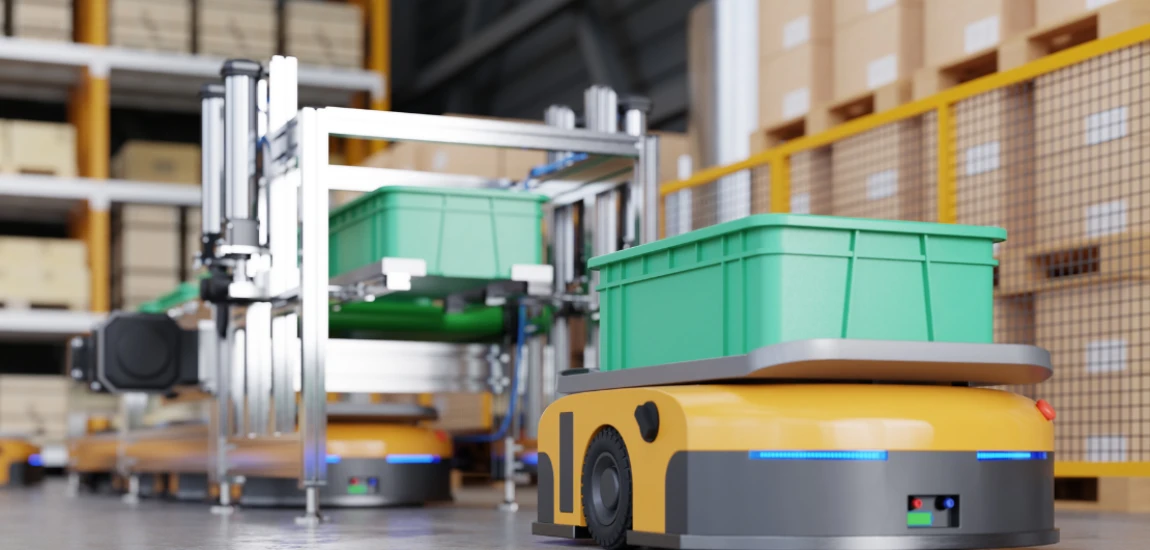
Blockchain-based supply chain intelligence systems are revolutionizing how goods are tracked, managed, and delivered across global networks. Traditional supply chains often suffer from inefficiencies, lack of transparency, data silos, and vulnerability to fraud or errors. By integrating blockchain technology with intelligent automation, organizations can create transparent logistics platforms that provide real-time visibility, secure data sharing, and improved operational efficiency. These systems use decentralized ledgers to record every transaction and movement within the supply chain, ensuring that data remains tamper-proof and accessible to all stakeholders. As global trade becomes increasingly complex, businesses are turning to blockchain-powered solutions to streamline operations, enhance trust, and build resilient supply chain ecosystems that can adapt to modern challenges.
Understanding Blockchain-Based Supply Chain Intelligence Systems

What is Blockchain in Supply Chains?
Blockchain technology in supply chains refers to the use of decentralized digital ledgers to record transactions and track the movement of goods. Each transaction is stored in a block and linked to the previous one, creating a secure and immutable chain of records. This ensures that all participants in the supply chain have access to the same information, reducing discrepancies and improving transparency.
Unlike traditional systems that rely on centralized databases, blockchain-based supply chain intelligence systems distribute data across multiple nodes. This decentralization eliminates single points of failure and enhances the reliability of the system.
Role of Intelligence Systems in Logistics
Supply chain intelligence systems combine blockchain with advanced analytics, artificial intelligence, and automation tools to optimize logistics operations. These systems analyze data in real time, enabling organizations to make informed decisions and respond quickly to disruptions.
By leveraging predictive analytics, businesses can anticipate demand fluctuations, optimize inventory levels, and improve delivery timelines. This integration of intelligence transforms supply chains into proactive, data-driven ecosystems.
Importance of Transparency and Trust
Transparency is a critical factor in modern supply chains, especially as consumers demand greater visibility into product origins and processes. Blockchain-based systems provide end-to-end traceability, allowing stakeholders to track products from raw materials to final delivery.
This level of transparency builds trust among partners, reduces the risk of fraud, and ensures compliance with regulatory requirements. As a result, businesses can enhance their reputation and strengthen relationships with customers and suppliers.
Core Components of Transparent Logistics Automation Platforms

Distributed Ledger Technology (DLT)
At the core of blockchain-based supply chain intelligence systems is distributed ledger technology. DLT enables multiple participants to maintain a synchronized record of transactions without relying on a central authority.
This shared ledger ensures that all parties have access to accurate and up-to-date information, reducing disputes and improving collaboration. It also enhances security by making it difficult for malicious actors to alter data.
Smart Contracts and Automation
Smart contracts are self-executing agreements stored on the blockchain. They automatically trigger actions when predefined conditions are met, eliminating the need for intermediaries.
In supply chains, smart contracts can automate processes such as payments, order fulfillment, and compliance checks. This reduces manual intervention, speeds up operations, and minimizes errors.
Integration with IoT and AI
The integration of blockchain with IoT devices and artificial intelligence further enhances supply chain intelligence systems. IoT sensors can collect real-time data on product location, temperature, and condition, which is then recorded on the blockchain.
AI algorithms analyze this data to optimize routes, predict delays, and improve decision-making. This combination creates a powerful ecosystem that drives efficiency and innovation.
Benefits of Blockchain in Supply Chain Intelligence

Enhanced Traceability and Visibility
One of the most significant advantages of blockchain-based systems is their ability to provide complete traceability. Every transaction and movement is recorded on the blockchain, creating a transparent and verifiable history.
This visibility allows businesses to quickly identify and address issues, such as delays or quality concerns. It also helps in ensuring compliance with industry standards and regulations.
Improved Efficiency and Cost Reduction
By automating processes and eliminating intermediaries, blockchain-based supply chain intelligence systems reduce operational costs. Smart contracts streamline workflows, while real-time data sharing improves coordination among stakeholders.
This leads to faster processing times, reduced errors, and increased overall efficiency. Businesses can achieve significant cost savings while improving service quality.
Increased Security and Fraud Prevention
Blockchain’s decentralized and immutable nature makes it highly secure. Once data is recorded, it cannot be altered without consensus from the network.
This reduces the risk of fraud, counterfeiting, and unauthorized access. In industries such as pharmaceuticals and food, where authenticity is critical, blockchain provides a reliable solution for ensuring product integrity.
Real-World Applications of Blockchain Logistics Systems

Food Supply Chain Management
Blockchain is widely used in the food industry to ensure safety and traceability. Companies can track the journey of food products from farm to table, ensuring that quality standards are maintained.
In case of contamination or recalls, blockchain enables quick identification of affected products, minimizing risks and protecting consumers.
Pharmaceutical and Healthcare Logistics
In the pharmaceutical industry, blockchain-based supply chain intelligence systems help prevent counterfeit drugs and ensure compliance with regulations. Each product can be tracked throughout its lifecycle, ensuring authenticity and safety.
This enhances trust among stakeholders and improves patient outcomes by ensuring the availability of genuine medications.
Global Trade and Shipping
Blockchain is transforming global trade by simplifying documentation and improving transparency. Traditional shipping processes involve multiple parties and extensive paperwork, which can lead to delays and errors.
Blockchain-based platforms digitize these processes, enabling faster and more efficient transactions. This reduces costs and improves the overall efficiency of international trade.


Operating "The Blonde Abroad," Kiersten Rich specializes in solo female travel. Her blog provides destination guides, packing tips, and travel resources.
Kiersten Rich

Prev Post

Next Post