
Metaverse Intelligence Systems: Powering Virtual World Interaction Architectures
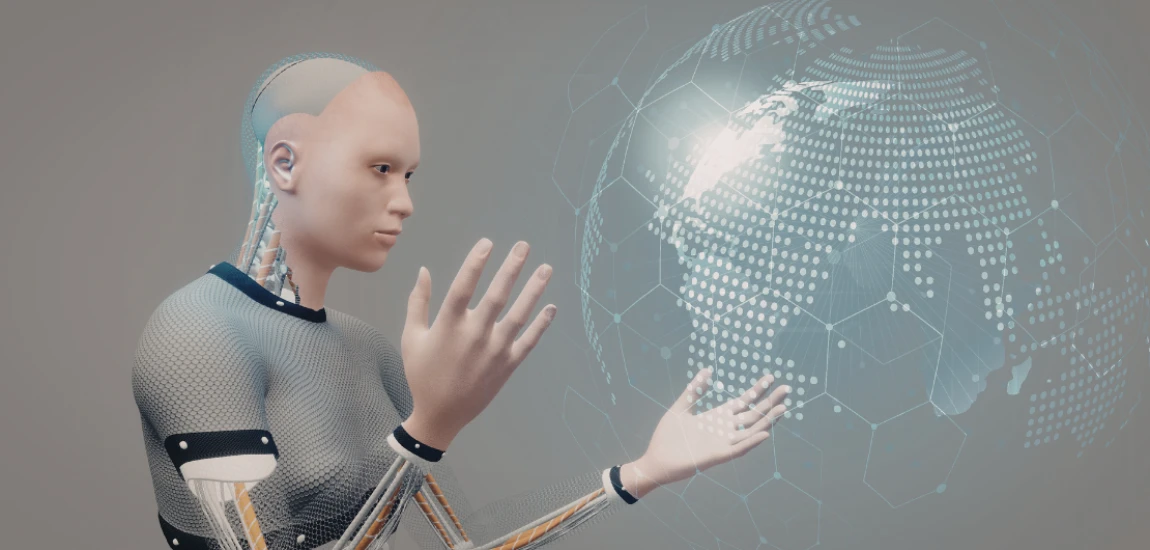
Metaverse intelligence systems are redefining how humans interact with digital environments by creating fully immersive, intelligent, and interconnected virtual worlds. Unlike traditional online platforms that rely on static interfaces, metaverse systems combine artificial intelligence, augmented reality (AR), virtual reality (VR), and spatial computing to build dynamic digital ecosystems. These systems allow users to interact, communicate, work, and socialize in persistent virtual environments that mirror real-world physics and behavior. At the core of this transformation are virtual world interaction architectures, which enable seamless integration between users, AI agents, and digital environments. As industries increasingly adopt immersive technologies, the metaverse is evolving into a powerful platform for entertainment, education, business, healthcare, and social interaction, shaping the future of human–digital experiences.
Understanding Metaverse Intelligence Systems

What Are Metaverse Intelligence Systems?
Metaverse intelligence systems are advanced digital frameworks that combine artificial intelligence with immersive virtual environments. These systems are designed to create intelligent, responsive, and interactive virtual worlds where users can engage in real-time experiences.
Unlike traditional digital platforms, metaverse systems are persistent, meaning the virtual world continues to exist and evolve even when users are not actively connected. AI plays a crucial role in maintaining this continuity by managing environments, interactions, and digital entities.
Role of Artificial Intelligence in the Metaverse
Artificial intelligence acts as the brain of metaverse systems. It powers virtual characters, automates environment changes, and enhances user interactions.
AI-driven avatars can simulate human behavior, respond to emotions, and engage in realistic conversations. This makes virtual environments more immersive and lifelike.
Additionally, AI helps optimize system performance by managing resources, predicting user behavior, and personalizing experiences.
Importance of Immersive Digital Ecosystems
Immersive digital ecosystems are essential for creating engaging metaverse experiences. These ecosystems integrate multiple technologies such as VR headsets, motion sensors, and 3D rendering engines.
They allow users to feel physically present in virtual environments, enhancing interaction quality and engagement.
Core Components of Virtual World Interaction Architectures

Spatial Computing and 3D Environments
Spatial computing enables computers to understand and interact with physical and virtual spaces. In the metaverse, it is used to create realistic 3D environments that respond to user actions.
These environments simulate real-world physics, allowing users to walk, interact, and manipulate digital objects naturally.
AI-Driven Virtual Agents and NPCs
Non-player characters (NPCs) in the metaverse are powered by AI to behave intelligently and interact with users dynamically.
These virtual agents can act as guides, assistants, or participants in virtual experiences, making environments more interactive and engaging.
Real-Time Rendering and Cloud Infrastructure
Real-time rendering engines generate high-quality graphics instantly, ensuring smooth and immersive experiences.
Cloud infrastructure supports large-scale virtual environments by providing computing power and storage for massive user interactions.
Benefits of Metaverse Intelligence Systems

Enhanced User Engagement and Immersion
One of the biggest advantages of metaverse systems is their ability to create highly immersive experiences.
Users can interact with digital environments in ways that feel natural and engaging, increasing emotional connection and participation.
Seamless Digital Communication
Metaverse platforms enable real-time communication through avatars, voice, and gestures.
This creates more meaningful and interactive communication compared to traditional text-based or video-based platforms.
Personalized Virtual Experiences
AI-driven systems analyze user behavior to create personalized experiences tailored to individual preferences.
This includes customized environments, recommendations, and interactions.
Applications of Metaverse Interaction Architectures

Virtual Workspaces and Remote Collaboration
Metaverse platforms are transforming remote work by creating virtual offices where teams can collaborate in real time.
Employees can attend meetings, share documents, and interact in immersive environments.
Gaming and Interactive Entertainment
The gaming industry is one of the largest adopters of metaverse technology.
Players can explore expansive virtual worlds, interact with other users, and participate in dynamic storylines.
Education and Virtual Learning Environments
Metaverse systems are revolutionizing education by creating interactive classrooms and training simulations.
Students can learn through immersive experiences rather than traditional lectures.


Derek Baron, also known as "Wandering Earl," offers an authentic look at long-term travel. His blog contains travel stories, tips, and the realities of a nomadic lifestyle.
Derek Baron

Prev Post

Next Post