
Smart Aerospace Navigation Systems and Autonomous Flight Optimization Networks
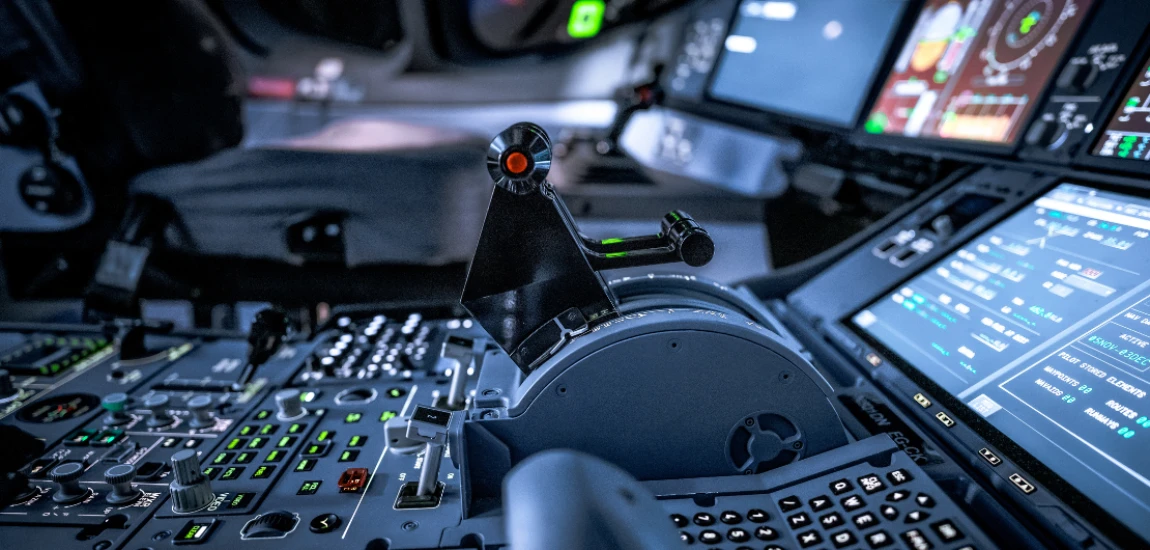
The aerospace industry is undergoing a major technological transformation driven by artificial intelligence, automation, predictive analytics, and intelligent communication systems. Traditional aviation technologies are rapidly evolving into highly advanced smart aerospace navigation systems capable of autonomous decision-making, real-time route optimization, and predictive flight management.
Modern air transportation demands higher levels of efficiency, operational safety, fuel optimization, and environmental sustainability. Conventional navigation methods, while effective, often face limitations related to dynamic weather conditions, increasing air traffic congestion, and complex flight coordination challenges. Smart aerospace navigation systems address these issues through AI-powered analytics, autonomous flight technologies, and interconnected optimization networks.
Autonomous flight optimization networks integrate machine learning, satellite communication, intelligent sensors, and predictive modeling to enhance aircraft performance and airspace management. These systems allow aircraft to adapt to changing conditions automatically while minimizing fuel consumption and improving flight precision.
From commercial aviation and military defense to space exploration and unmanned aerial vehicles, intelligent aerospace technologies are reshaping the future of global transportation. As digital aviation ecosystems continue evolving, smart navigation systems are becoming essential for creating safer, faster, and more sustainable aerospace operations.
Understanding Smart Aerospace Navigation Systems

Smart aerospace navigation systems combine advanced computing technologies, AI-driven analytics, and autonomous flight management tools to improve aircraft navigation and operational efficiency.
Artificial Intelligence in Aerospace Navigation
Artificial intelligence plays a central role in modern aerospace systems by enabling aircraft to analyze large volumes of flight and environmental data in real time. AI algorithms process weather information, air traffic patterns, engine performance metrics, and navigation coordinates to improve flight decisions continuously.
Machine learning systems learn from historical flight data and operational scenarios, allowing aircraft to optimize routes and reduce navigational errors. These intelligent systems improve situational awareness and assist pilots in handling complex flight conditions.
AI-powered aerospace navigation also supports predictive maintenance by monitoring aircraft systems continuously and identifying potential mechanical issues before failures occur. This improves aircraft reliability and operational safety significantly.
Autonomous Flight Control Technologies
Autonomous flight control systems enable aircraft to perform critical navigation and operational tasks with minimal human intervention. These systems use advanced sensors, onboard computers, and AI-driven software to manage aircraft movements accurately.
Autonomous technologies improve stability, landing precision, and adaptive route management during challenging environmental conditions. Intelligent autopilot systems can respond rapidly to turbulence, wind shifts, and unexpected obstacles.
In unmanned aerial vehicles and future autonomous passenger aircraft, flight control systems are becoming increasingly sophisticated. These technologies enhance operational efficiency while reducing pilot workload and human error.
Intelligent Sensor and Satellite Integration
Modern aerospace navigation systems rely heavily on intelligent sensors and satellite communication networks. Aircraft use radar systems, GPS satellites, LiDAR sensors, and infrared imaging technologies to monitor surroundings continuously.
These interconnected technologies provide accurate positioning, obstacle detection, and environmental awareness during flight operations. AI systems analyze sensor data instantly to support navigation adjustments and airspace coordination.
Satellite-based navigation also improves long-distance flight accuracy and enables seamless global communication between aircraft and ground control systems.
Autonomous Flight Optimization Networks

Autonomous flight optimization networks are advanced digital infrastructures that improve flight efficiency, airspace management, and operational coordination using AI and predictive analytics.
Real-Time Flight Path Optimization
Flight optimization networks continuously analyze environmental conditions, air traffic density, and aircraft performance metrics to determine the most efficient flight routes.
AI-driven optimization algorithms calculate ideal flight paths that reduce fuel consumption, minimize delays, and improve travel efficiency. Aircraft can automatically reroute around severe weather systems, restricted airspaces, or congestion zones.
Real-time route optimization improves passenger safety while helping airlines reduce operational expenses and environmental impact.
Predictive Air Traffic Management
Increasing global air travel has made air traffic management more complex than ever. Predictive airspace management systems use machine learning and data analytics to forecast traffic patterns and prevent congestion.
These intelligent systems improve coordination between airports, aircraft, and control centers by predicting delays, optimizing landing schedules, and managing flight spacing efficiently.
AI-powered traffic management also reduces the risk of collisions and enhances overall airspace safety through continuous situational monitoring.
Collaborative Aerospace Communication Networks
Autonomous flight optimization networks rely on seamless communication between aircraft, satellites, air traffic controllers, and operational centers.
Advanced communication frameworks enable real-time data exchange regarding weather conditions, aircraft performance, and flight status updates. This collaborative intelligence improves decision-making and operational coordination across the aviation ecosystem.
Secure communication networks are especially important for military aviation, space missions, and autonomous drone operations where precision and reliability are critical.
Applications of Smart Aerospace Navigation Technologies

Smart aerospace navigation systems are transforming multiple aviation sectors by improving operational intelligence, efficiency, and automation.
Commercial Aviation and Passenger Transport
Commercial airlines increasingly use intelligent navigation technologies to improve flight efficiency and passenger safety. AI-powered systems optimize fuel usage, reduce delays, and enhance route planning accuracy.
Autonomous flight assistance technologies also support pilots during takeoff, landing, and emergency scenarios. Predictive analytics helps airlines monitor aircraft health and schedule maintenance proactively.
These innovations reduce operational costs while improving the passenger travel experience through smoother and more reliable flight operations.
Military Aerospace and Defense Operations
Defense organizations use smart aerospace navigation systems for surveillance, reconnaissance, combat coordination, and autonomous drone missions.
AI-driven military aircraft can analyze battlefield conditions, avoid threats, and coordinate with other defense systems in real time. Autonomous navigation technologies improve mission effectiveness while reducing human risk exposure.
Military drone swarms and intelligent aerial defense networks rely heavily on predictive flight optimization and secure communication infrastructures.
Space Exploration and Satellite Missions
Space agencies use advanced navigation systems to support spacecraft operations, planetary exploration, and satellite deployment missions.
Autonomous flight optimization technologies improve orbital positioning, spacecraft docking, and interplanetary navigation precision. AI-powered systems help spacecraft adapt to unexpected environmental conditions during missions.
Intelligent aerospace systems also support satellite communication networks essential for global telecommunications, navigation, and environmental monitoring.
Benefits of Autonomous Aerospace Optimization Systems

The integration of intelligent aerospace technologies provides significant operational, environmental, and economic benefits.
Enhanced Flight Safety and Reliability
AI-powered navigation systems improve flight safety by reducing human error and enabling faster responses to operational challenges. Intelligent monitoring systems continuously assess aircraft conditions and environmental risks.
Predictive analytics identify potential system failures before they become critical, reducing the likelihood of accidents and emergency situations.
Enhanced situational awareness also helps pilots and autonomous systems make more accurate decisions during complex flight operations.
Fuel Efficiency and Environmental Sustainability
Fuel consumption is one of the largest operational costs in aviation. Smart optimization networks reduce unnecessary fuel usage through efficient route planning and adaptive flight management.
AI systems calculate optimal altitudes, speeds, and trajectories to minimize fuel burn and carbon emissions. These improvements support global sustainability goals and reduce aviation’s environmental impact.
Sustainable aviation technologies are becoming increasingly important as airlines and governments focus on reducing greenhouse gas emissions.
Improved Operational Efficiency
Autonomous optimization systems streamline aviation operations by reducing delays, improving scheduling accuracy, and enhancing airspace coordination.
Airlines benefit from lower operational costs, improved fleet management, and better resource utilization. Automated workflows also reduce administrative complexity and support faster decision-making processes.
Efficient aerospace operations contribute to increased profitability and stronger customer satisfaction within the aviation industry.


Shivya Nath authors "The Shooting Star," a blog that covers responsible and off-the-beaten-path travel. She writes about sustainable tourism and community-based experiences.
Shivya Nath

Prev Post

Next Post