
AI-Orchestrated Smart Governance Systems and Algorithmic Policy Decision Platforms
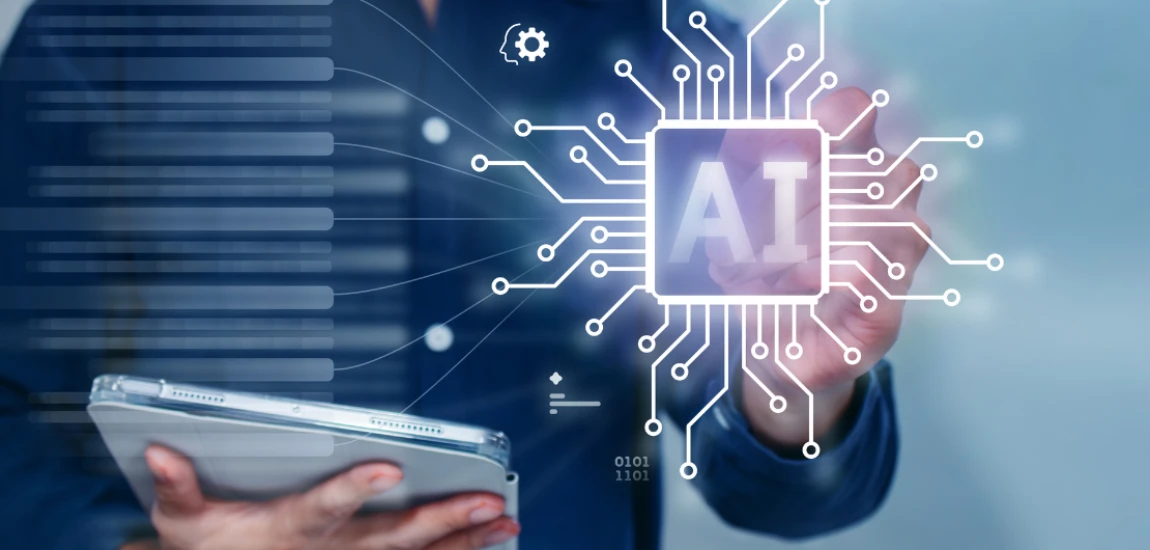
AI-Orchestrated Smart Governance Systems represent a major transformation in how modern governments design, implement, and evaluate public policies. Traditional governance structures are often slow, hierarchical, and dependent on manual decision-making processes that can delay responses to urgent societal challenges. In contrast, AI-driven governance introduces automation, real-time analytics, and predictive intelligence into public administration, enabling faster, more efficient, and more transparent decision-making.
At the core of this transformation are algorithmic policy decision platforms—advanced systems that use artificial intelligence, machine learning, and data analytics to evaluate large-scale datasets and generate policy recommendations. These platforms can simulate different policy scenarios, predict outcomes, and optimize decisions based on real-world data. This allows governments to move from reactive governance to proactive and predictive governance.
The integration of AI into governance also enhances citizen engagement by enabling personalized services, real-time feedback systems, and improved accessibility. Governments can now monitor public needs more accurately and respond with tailored solutions. As digital transformation accelerates globally, AI-orchestrated governance systems are becoming essential for building efficient, transparent, and resilient public institutions that can adapt to rapidly changing environments.
Understanding AI-Orchestrated Smart Governance Systems

Defining Smart Governance in the AI Era
AI-orchestrated smart governance systems refer to the integration of artificial intelligence technologies into public administration to enhance decision-making, service delivery, and policy execution. These systems rely on data-driven insights and automated processes to improve governance efficiency and effectiveness.
Unlike traditional governance models, which depend heavily on human judgment and manual workflows, AI-based systems continuously analyze data from multiple sources. This enables governments to identify trends, detect anomalies, and respond to challenges in real time.
Role of Artificial Intelligence in Governance Transformation
Artificial intelligence plays a central role in transforming governance by enabling predictive analytics, automation, and intelligent decision support. AI systems can process vast datasets from economic indicators, healthcare systems, transportation networks, and social platforms to generate actionable insights.
Machine learning models help governments forecast future scenarios, such as economic downturns, public health crises, or infrastructure demands. This predictive capability allows policymakers to take preventive measures rather than reactive actions.
Benefits of AI-Orchestrated Governance Systems
The benefits of AI-driven governance are extensive. These systems improve efficiency by automating repetitive administrative tasks, reduce human error, and enhance transparency in decision-making processes.
They also enable faster response times in emergencies, better allocation of public resources, and improved public service delivery. Ultimately, AI-driven governance leads to more informed, fair, and effective policy outcomes.
Algorithmic Policy Decision Platforms Explained

What Are Algorithmic Policy Systems?
Algorithmic policy decision platforms are advanced AI-powered systems designed to assist or automate policy-making processes. These platforms analyze large-scale datasets and use algorithms to recommend or implement policy decisions.
They function as intelligent advisory systems that help policymakers evaluate multiple scenarios and choose the most effective course of action based on data-driven insights.
Data-Driven Policy Modeling and Simulation
One of the key features of these platforms is their ability to simulate policy outcomes. By using historical data and predictive models, they can forecast the impact of different policy decisions before implementation.
This allows governments to test various strategies in a virtual environment, reducing risks and improving policy effectiveness. It also ensures that decisions are backed by evidence rather than assumptions.
Automation in Policy Execution
Beyond recommendation, algorithmic platforms can also automate policy execution. Once a policy is approved, the system can implement it across relevant departments and monitor its progress in real time.
This reduces administrative delays and ensures consistency in policy application across different regions and sectors.
Architecture of AI-Driven Governance Systems

Data Integration and Intelligence Layers
AI-driven governance systems rely on multiple layers of architecture, starting with data integration. These systems collect data from government databases, IoT devices, social platforms, and public records.
This data is then processed through intelligence layers that use machine learning algorithms to extract insights and patterns relevant to governance.
Cloud Infrastructure and Scalability
Cloud computing plays a vital role in supporting smart governance systems. It provides the scalability needed to process massive datasets and ensures that systems remain accessible and efficient.
Distributed cloud architectures also enhance reliability and ensure that governance platforms can operate continuously without downtime.
Real-Time Analytics and Decision Engines
Real-time analytics engines are responsible for processing incoming data and generating immediate insights. These engines enable governments to monitor situations as they unfold and respond quickly to emerging challenges.
Decision engines then use these insights to recommend or execute policy actions, ensuring timely and effective governance.
Applications Across Government Sectors

Smart Cities and Urban Management
AI-orchestrated governance systems are widely used in smart cities to manage transportation, energy, waste, and public safety. These systems analyze real-time data to optimize traffic flow, reduce congestion, and improve energy efficiency.
They also help city planners make informed decisions about infrastructure development and resource allocation.
Healthcare Policy and Public Health Systems
In healthcare, algorithmic platforms assist in managing hospital resources, predicting disease outbreaks, and optimizing healthcare delivery. AI systems can analyze patient data to identify health trends and improve treatment strategies.
This leads to more efficient healthcare systems and better patient outcomes.
Economic Planning and Social Welfare
Governments use AI-driven systems to analyze economic indicators, forecast growth, and design social welfare programs. These platforms help ensure that resources are distributed efficiently and reach the populations that need them most.
This improves economic stability and social equity.


Anil Polat, behind the blog "FoxNomad," combines technology and travel. A computer security engineer by profession, he focuses on the tech aspects of travel.
Anil Polat
Prev Post

Next Post