
Autonomous Edge Intelligence Systems and Ultra-Distributed Real-Time Processing Networks
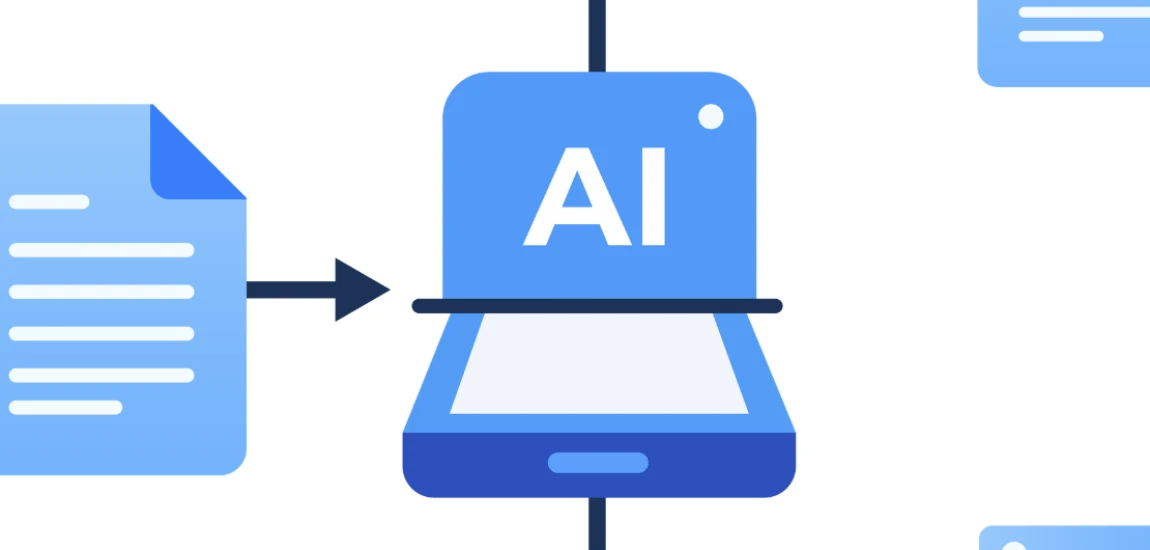
Autonomous Edge Intelligence Systems are reshaping the way data is processed, analyzed, and acted upon in today’s hyper-connected digital landscape. Traditional cloud-based computing models rely heavily on centralized data centers, which often introduce latency, bandwidth limitations, and delays in decision-making. In contrast, edge intelligence brings computation closer to the source of data—devices, sensors, and local systems—enabling real-time processing and immediate insights. When combined with ultra-distributed real-time processing networks, these systems create a powerful infrastructure capable of handling massive data flows with speed, efficiency, and autonomy.
At the core of this transformation is the need for real-time responsiveness. Applications such as autonomous vehicles, smart cities, industrial automation, and healthcare monitoring demand instant decision-making that cannot rely solely on distant cloud servers. Autonomous edge intelligence systems leverage artificial intelligence, machine learning, and advanced analytics directly at the edge, allowing devices to process data locally and act independently.
Ultra-distributed networks further enhance this capability by connecting multiple edge nodes into a cohesive system. These networks distribute workloads across various locations, ensuring scalability, resilience, and optimal performance. As industries continue to embrace digital transformation, the integration of edge intelligence and distributed processing is becoming essential for building efficient, responsive, and future-ready systems.
Understanding Autonomous Edge Intelligence Systems

Defining Edge Intelligence
Autonomous edge intelligence systems refer to AI-powered computing frameworks where data processing and decision-making occur at or near the source of data generation. Unlike traditional cloud computing, which centralizes processing, edge intelligence decentralizes it, enabling faster and more efficient operations.
These systems integrate machine learning models directly into edge devices such as sensors, cameras, and IoT devices. By doing so, they eliminate the need to send data to remote servers for processing, reducing latency and improving response times.
Role of AI in Edge Autonomy
Artificial intelligence is the driving force behind edge autonomy. AI models embedded in edge devices analyze data in real time, identify patterns, and make decisions without human intervention. This capability is crucial for applications that require immediate action, such as detecting anomalies in industrial equipment or identifying objects in autonomous driving systems.
AI also enables continuous learning, allowing edge systems to adapt to changing conditions and improve their performance over time.
Benefits of Edge-Based Intelligence
Edge intelligence offers several advantages, including reduced latency, improved data privacy, and lower bandwidth usage. By processing data locally, these systems minimize the need for data transmission, enhancing efficiency and security.
Additionally, edge systems are highly scalable, allowing organizations to deploy intelligent solutions across multiple locations without overloading centralized infrastructure.
Ultra-Distributed Real-Time Processing Networks Explained

What Are Ultra-Distributed Networks?
Ultra-distributed real-time processing networks consist of interconnected nodes that share computational workloads across multiple locations. These networks are designed to handle large volumes of data in real time, ensuring efficient processing and minimal delays.
Each node in the network operates independently while collaborating with others to achieve common objectives. This decentralized approach enhances system resilience and performance.
Real-Time Data Processing Capabilities
Real-time processing is a key feature of ultra-distributed networks. Data is processed as it is generated, enabling immediate insights and actions. This is particularly important for applications such as financial trading, healthcare monitoring, and smart infrastructure.
By distributing processing tasks across multiple nodes, these networks ensure that data is handled efficiently and without bottlenecks.
Advantages Over Centralized Systems
Compared to centralized systems, ultra-distributed networks offer greater scalability, reliability, and efficiency. They reduce the risk of system failures by eliminating single points of failure and enable faster data processing by leveraging local resources.
These advantages make ultra-distributed networks an essential component of modern digital infrastructure.
Architecture of Edge Intelligence and Distributed Networks

Decentralized System Design
The architecture of autonomous edge intelligence systems is inherently decentralized. Edge devices act as independent processing units, while distributed networks connect these devices to form a cohesive system.
This design ensures that data processing is performed closer to the source, reducing latency and improving efficiency.
Integration of Edge, Cloud, and Network Layers
A hybrid approach that integrates edge, cloud, and network layers is often used to maximize performance. Edge devices handle real-time processing, while cloud systems manage large-scale data storage and advanced analytics.
Distributed networks facilitate communication between these layers, ensuring seamless data flow and coordination.
Role of AI and Automation
AI and automation play a critical role in managing distributed systems. AI algorithms optimize resource allocation, monitor system performance, and ensure efficient operation.
Automation reduces the need for manual intervention, enabling systems to operate autonomously and adapt to changing conditions.


Derek Baron, also known as "Wandering Earl," offers an authentic look at long-term travel. His blog contains travel stories, tips, and the realities of a nomadic lifestyle.
Derek Baron

Prev Post

Next Post