
Self-Healing Cybersecurity Systems and Autonomous Threat Immunity Networks
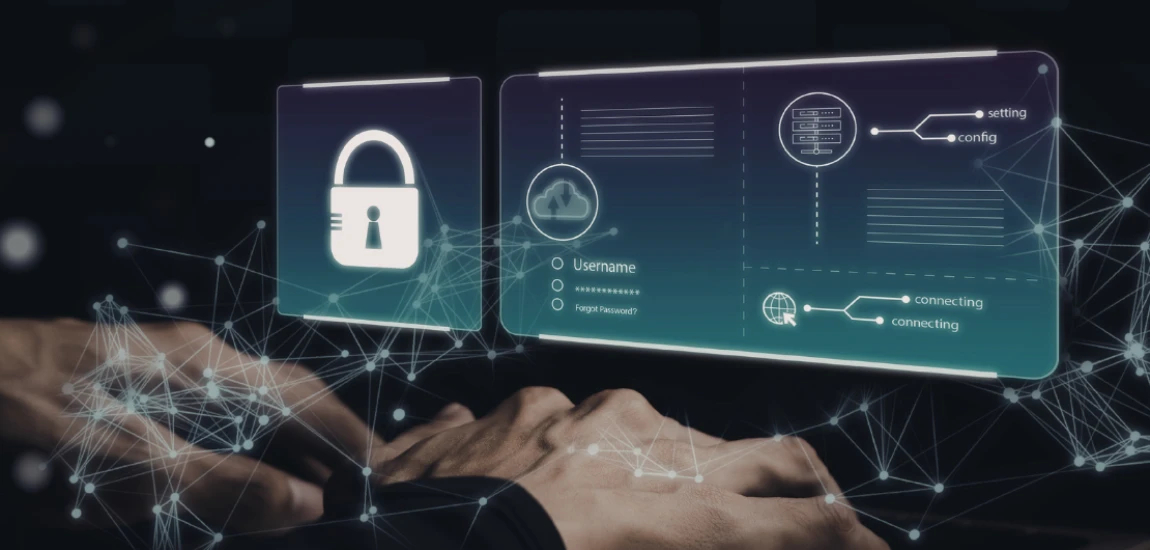
As cyber threats grow more sophisticated and persistent, traditional security systems are no longer sufficient to protect modern digital infrastructures. Self-healing cybersecurity systems and autonomous threat immunity networks represent a new paradigm in cybersecurity, where artificial intelligence, machine learning, and automation work together to create systems that can detect, respond to, and recover from threats in real time. These advanced systems not only identify vulnerabilities but also take proactive measures to fix them, minimizing downtime and reducing the risk of data breaches. By mimicking biological immune systems, autonomous threat networks continuously learn from attacks, adapt to new threats, and strengthen their defenses over time. This evolution in cybersecurity is essential for safeguarding critical systems, protecting sensitive data, and ensuring business continuity in an increasingly interconnected world.
Understanding Self-Healing Cybersecurity Systems

What Are Self-Healing Cybersecurity Systems
Self-healing cybersecurity systems are advanced security frameworks designed to automatically detect, analyze, and mitigate cyber threats without requiring manual intervention. Unlike traditional security systems that rely heavily on human monitoring and reactive responses, these systems operate proactively, identifying vulnerabilities and addressing them before they can be exploited. They are built using artificial intelligence, machine learning, and automation technologies, which allow them to continuously monitor network activity and respond to anomalies in real time.
These systems are capable of performing tasks such as patching vulnerabilities, isolating compromised components, and restoring normal operations after an attack. By automating these processes, organizations can significantly reduce response times and minimize the impact of cyber incidents. This makes self-healing systems an essential component of modern cybersecurity strategies.
How Self-Healing Mechanisms Work
The core functionality of self-healing systems lies in their ability to monitor and analyze network behavior continuously. Using AI-driven analytics, these systems can identify unusual patterns that may indicate a potential threat. Once a threat is detected, the system initiates automated responses, such as blocking malicious traffic, quarantining affected systems, or deploying security patches.
Feedback loops play a crucial role in enhancing the effectiveness of self-healing mechanisms. These loops allow the system to learn from past incidents and improve its response strategies over time. This continuous learning process ensures that the system becomes more resilient and capable of handling new and evolving threats.
Evolution from Traditional Security Models
Traditional cybersecurity models are primarily reactive, relying on predefined rules and human intervention to respond to threats. In contrast, self-healing systems adopt a proactive approach, using AI to anticipate and prevent attacks.
This evolution has been driven by the increasing complexity of cyber threats and the need for more efficient and scalable security solutions. As organizations continue to digitize their operations, the demand for self-healing cybersecurity systems is expected to grow, making them a cornerstone of future security architectures.
Architecture of Autonomous Threat Immunity Networks

Decentralized Security Frameworks
Autonomous threat immunity networks are built on decentralized architectures, where multiple security agents operate independently while collaborating to protect the system. This decentralized approach enhances resilience, as the failure of one component does not compromise the entire network.
Each agent is responsible for monitoring specific aspects of the network, such as traffic patterns, user behavior, or system performance. By distributing responsibilities across multiple agents, the network can achieve comprehensive coverage and faster threat detection.
Real-Time Threat Detection and Response
Real-time detection and response are critical components of autonomous threat immunity networks. These systems use advanced analytics and machine learning algorithms to identify threats as they occur, enabling immediate action.
Once a threat is detected, the system can automatically execute response strategies, such as blocking malicious activities or isolating affected systems. This rapid response minimizes the impact of cyberattacks and ensures continuous protection.
Collaborative Intelligence and Data Sharing
Collaboration is a key feature of autonomous threat immunity networks. Security agents share information and insights with each other, enabling collective intelligence and improved decision-making.
This collaborative approach allows the network to identify patterns and trends that may not be apparent to individual agents. By leveraging shared knowledge, the system can enhance its ability to detect and respond to complex threats.
Core Technologies Powering Self-Healing Security

Artificial Intelligence and Machine Learning
AI and machine learning are the foundation of self-healing cybersecurity systems. These technologies enable the system to analyze large volumes of data, identify patterns, and make informed decisions.
Machine learning algorithms continuously improve the system’s ability to detect and respond to threats by learning from new data. This adaptability is essential for addressing the ever-evolving nature of cyber threats.
Behavioral Analytics and Anomaly Detection
Behavioral analytics plays a crucial role in identifying potential threats by analyzing user and system behavior. By establishing a baseline of normal activity, the system can detect anomalies that may indicate malicious actions.
Anomaly detection algorithms are used to identify deviations from expected behavior, enabling early detection of threats. This proactive approach helps prevent attacks before they can cause significant damage.
Automation and Orchestration Tools
Automation and orchestration tools enable self-healing systems to execute complex response strategies efficiently. These tools coordinate various security processes, such as threat detection, analysis, and mitigation, ensuring seamless operation.
By automating routine tasks, organizations can reduce the burden on security teams and focus on more strategic initiatives. This improves overall efficiency and enhances the effectiveness of cybersecurity measures.
Applications Across Industries

Enterprise IT and Cloud Security
Self-healing cybersecurity systems are widely used in enterprise IT and cloud environments to protect sensitive data and ensure system integrity. These systems can automatically detect and respond to threats, reducing the risk of data breaches and downtime.
In cloud environments, self-healing systems provide continuous monitoring and protection, ensuring that resources are secure and available. This is particularly important for organizations that rely on cloud services for critical operations.
Financial Services and Fraud Prevention
In the financial sector, autonomous threat immunity networks are used to detect and prevent fraud. These systems analyze transaction data in real time, identifying suspicious activities and taking immediate action.
By leveraging AI and machine learning, financial institutions can enhance their security measures and protect customer data. This improves trust and reduces the risk of financial losses.
Healthcare and Critical Infrastructure
Healthcare organizations and critical infrastructure systems are prime targets for cyberattacks. Self-healing cybersecurity systems provide robust protection by continuously monitoring and securing these environments.
These systems can detect and respond to threats in real time, ensuring the safety and reliability of critical services. This is essential for maintaining public trust and ensuring the continuity of essential operations.


Anil Polat, behind the blog "FoxNomad," combines technology and travel. A computer security engineer by profession, he focuses on the tech aspects of travel.
Anil Polat

Prev Post

Next Post