
AI-Powered Autonomous Supply Chain Systems and Real-Time Logistics Optimization Networks
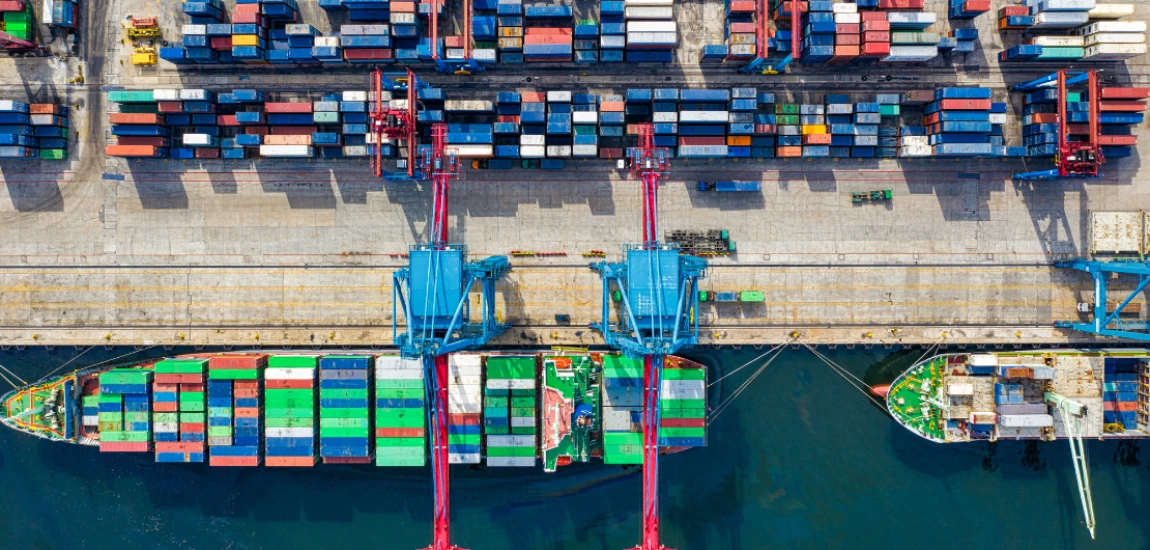
AI-Powered Autonomous Supply Chain Systems are transforming the global logistics landscape by introducing intelligence, automation, and real-time decision-making into traditionally complex and fragmented supply chain networks. In the past, supply chains relied heavily on manual planning, static forecasting models, and delayed data insights, which often led to inefficiencies such as overstocking, delays, and high operational costs. Today, artificial intelligence is reshaping this ecosystem by enabling systems that can predict demand, optimize routes, and automatically adjust supply chain operations in real time.
At the core of this transformation are real-time logistics optimization networks, which use AI, machine learning, IoT sensors, and advanced analytics to continuously monitor and improve the flow of goods and services. These networks connect suppliers, manufacturers, warehouses, transportation systems, and retailers into a unified digital ecosystem. By analyzing real-time data, they can dynamically adjust logistics strategies to minimize delays and maximize efficiency.
As global commerce becomes increasingly complex, businesses are turning to autonomous supply chain systems to remain competitive. These systems not only reduce costs but also enhance resilience, adaptability, and customer satisfaction. From predictive inventory management to autonomous delivery systems, AI-driven logistics is redefining how goods move across the world.
Understanding AI-Powered Autonomous Supply Chain Systems

What Are Autonomous Supply Chain Systems?
AI-powered autonomous supply chain systems are intelligent logistics networks that use artificial intelligence to automate decision-making processes across the entire supply chain. These systems manage procurement, production, inventory, transportation, and distribution with minimal human intervention.
They rely on real-time data and predictive analytics to make decisions that optimize efficiency and reduce operational risks.
Role of Artificial Intelligence in Supply Chains
Artificial intelligence plays a central role in enabling automation and intelligence in supply chains. AI algorithms analyze vast amounts of data from multiple sources, including market trends, weather conditions, and consumer behavior.
This allows systems to forecast demand, identify disruptions, and optimize logistics operations in real time.
Benefits of Autonomous Supply Chains
Autonomous supply chain systems offer significant advantages such as reduced operational costs, improved efficiency, and enhanced decision-making. They also improve supply chain visibility, allowing businesses to track goods throughout the entire delivery process.
These systems increase agility, enabling companies to respond quickly to market changes.
Real-Time Logistics Optimization Networks Explained

What Are Logistics Optimization Networks?
Real-time logistics optimization networks are interconnected systems that continuously monitor and improve the movement of goods across supply chains. These networks use AI and IoT technologies to track shipments, manage inventory, and optimize transportation routes.
They ensure that logistics operations are efficient, cost-effective, and responsive to real-time conditions.
Importance of Real-Time Data Processing
Real-time data is critical in logistics optimization. It allows systems to make instant decisions based on current conditions rather than outdated information.
This improves accuracy in delivery scheduling, route planning, and inventory management.
Role of IoT and Sensor Technologies
IoT devices and sensors play a vital role in providing real-time data for logistics networks. These devices track the location, condition, and status of goods throughout the supply chain.
This data enables predictive maintenance, temperature monitoring, and shipment tracking.
Architecture of Autonomous Supply Chain Systems

Data-Driven Supply Chain Intelligence
The architecture of autonomous supply chain systems is built on data-driven intelligence. These systems collect data from multiple sources, including suppliers, warehouses, transportation fleets, and customers.
AI models analyze this data to generate actionable insights for decision-making.
Cloud-Based Logistics Infrastructure
Cloud computing provides the backbone for modern supply chain systems. It enables scalable data storage, processing power, and seamless integration across global networks.
Cloud platforms allow real-time collaboration between different stakeholders in the supply chain.
Predictive Analytics and Decision Engines
Predictive analytics engines forecast demand, supply disruptions, and market trends. These engines help businesses prepare for future challenges and optimize operations proactively.
Decision engines use these predictions to automate logistics decisions in real time.
Applications Across Industries

E-Commerce and Retail Supply Chains
AI-powered supply chain systems are widely used in e-commerce to manage inventory, optimize delivery routes, and improve customer satisfaction.
These systems enable faster delivery times and more accurate order fulfillment.
Manufacturing and Industrial Logistics
In manufacturing, autonomous supply chains help optimize production schedules, manage raw materials, and reduce downtime.
They ensure smooth coordination between suppliers and production facilities.
Healthcare and Pharmaceutical Distribution
Healthcare supply chains rely on AI systems to manage the distribution of medical supplies and pharmaceuticals. These systems ensure timely delivery of critical products.
They also help maintain compliance with regulatory standards.


Anil Polat, behind the blog "FoxNomad," combines technology and travel. A computer security engineer by profession, he focuses on the tech aspects of travel.
Anil Polat
Prev Post

Next Post