
AI-Driven Fusion Reactor Control Systems and the Future of Sustainable Energy Automation
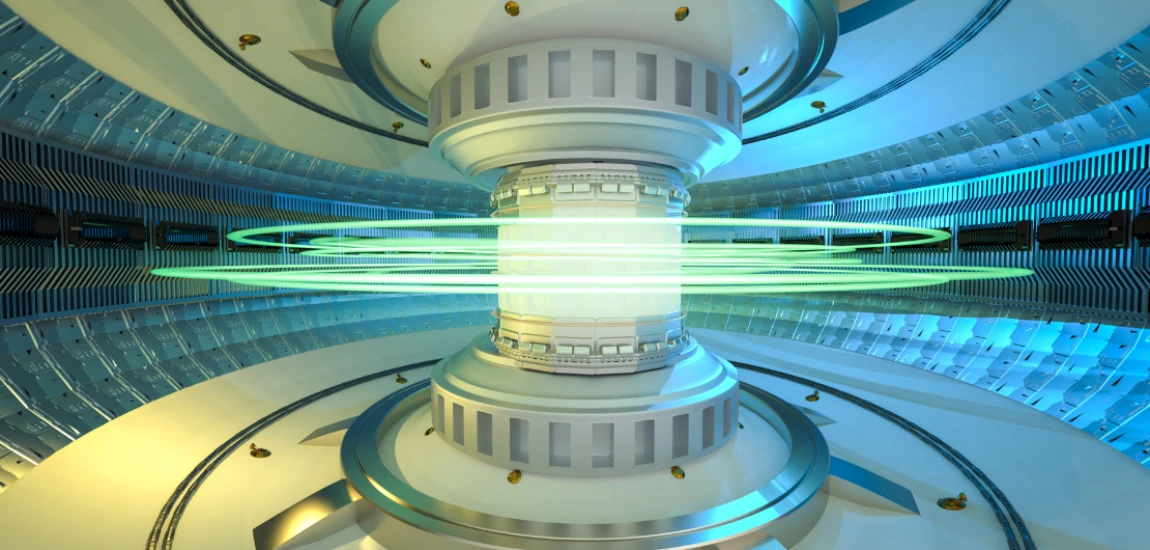
The global demand for clean, reliable, and sustainable energy continues to grow as governments, industries, and researchers seek alternatives to fossil fuels. Among the most promising solutions is nuclear fusion, a process that powers the Sun by combining light atomic nuclei to release enormous amounts of energy. Unlike conventional fossil fuels, fusion has the potential to generate vast quantities of electricity with minimal greenhouse gas emissions and significantly less long-lived radioactive waste than traditional nuclear fission. However, achieving stable and commercially viable fusion energy remains one of the greatest scientific and engineering challenges of the modern era.
One of the biggest obstacles in fusion research is maintaining the stability of extremely hot plasma, which must be confined and controlled under precise conditions. Even minor fluctuations in plasma behavior can reduce efficiency or interrupt fusion reactions. To address this challenge, researchers are developing AI-Driven Fusion Reactor Control Systems, which integrate artificial intelligence, machine learning, predictive analytics, high-speed sensors, and automated control technologies to optimize reactor performance in real time.
AI-driven control systems continuously analyze enormous volumes of operational data collected from plasma diagnostics, magnetic confinement systems, temperature sensors, pressure monitors, and reactor components. Intelligent algorithms detect anomalies, predict instabilities, adjust operating conditions, and automate complex control processes with remarkable speed and accuracy. As fusion research advances, AI will become an essential component of future sustainable energy automation, helping transform experimental fusion reactors into reliable commercial power plants capable of delivering clean energy for generations.
Understanding AI-Driven Fusion Reactor Control Systems

The Need for Intelligent Fusion Reactor Management
Fusion reactors operate under some of the most demanding physical conditions ever created by humans. Plasma temperatures can exceed 100 million degrees Celsius, requiring sophisticated magnetic confinement systems to prevent direct contact between the plasma and reactor walls. Small variations in temperature, magnetic fields, or plasma density can quickly destabilize the reaction if not corrected immediately.
Traditional reactor control systems rely on mathematical models and predefined operating rules that require significant human oversight. Although highly effective, these methods may struggle to respond rapidly enough to increasingly complex plasma behaviors observed during advanced fusion experiments.
AI-Driven Fusion Reactor Control Systems introduce adaptive intelligence capable of processing massive streams of sensor data in real time. Machine learning algorithms recognize complex plasma patterns, anticipate instabilities before they occur, and automatically optimize reactor parameters to maintain stable fusion conditions. This intelligent approach significantly improves operational efficiency while reducing dependence on manual intervention.
Artificial Intelligence and Real-Time Plasma Optimization
Artificial intelligence serves as the decision-making engine within modern fusion reactor control systems. Advanced AI models analyze plasma shape, temperature distributions, magnetic field strength, particle density, energy confinement, and reactor performance simultaneously.
Machine learning identifies relationships between thousands of operational variables that traditional analytical methods may overlook. Predictive algorithms forecast plasma instabilities several milliseconds before they develop, allowing automated control systems to adjust magnetic fields, fuel injection rates, heating systems, and other reactor parameters proactively.
This capability dramatically improves plasma stability while increasing energy efficiency and reducing experimental interruptions. Continuous learning further enables AI systems to refine their control strategies as additional operational data becomes available, supporting increasingly reliable fusion performance over time.
Supporting Autonomous Sustainable Energy Systems
The long-term vision of AI-Driven Fusion Reactor Control Systems extends beyond experimental research facilities. Future commercial fusion power plants will require highly autonomous operational capabilities capable of maintaining safe, efficient, and reliable energy production with minimal human supervision.
Artificial intelligence will coordinate reactor startup procedures, optimize energy output, monitor equipment health, predict maintenance requirements, and respond automatically to changing operating conditions. Digital twins will simulate reactor behavior continuously while helping operators evaluate potential adjustments before implementing them in physical systems.
These autonomous capabilities will improve operational reliability, reduce maintenance costs, and accelerate the commercialization of fusion energy as a sustainable global power source.
Core Technologies Behind Sustainable Energy Automation

Machine Learning, Predictive Analytics, and Data Intelligence
Fusion reactors generate enormous quantities of operational information from plasma diagnostics, magnetic coils, thermal sensors, neutron detectors, spectroscopy instruments, and structural monitoring systems. Artificial intelligence transforms these complex datasets into actionable operational insights.
Machine learning algorithms recognize hidden relationships among reactor variables while identifying subtle patterns that indicate changing plasma behavior. Predictive analytics forecast equipment degradation, optimize fuel usage, estimate energy output, and detect abnormal operating conditions before they become critical.
These intelligent analytical capabilities improve reactor stability while reducing downtime and maximizing scientific productivity throughout fusion research programs.
Advanced Sensors, Magnetic Control, and Digital Twins
Modern fusion reactors depend on highly accurate sensor networks capable of monitoring plasma behavior under extreme operating conditions. Temperature sensors, magnetic field detectors, pressure monitors, optical imaging systems, and radiation diagnostics continuously supply real-time information to AI control platforms.
Magnetic confinement systems use powerful superconducting magnets to stabilize plasma while preventing contact with reactor walls. Artificial intelligence continuously adjusts magnetic field configurations according to changing plasma conditions, maintaining optimal confinement throughout reactor operation.
Digital twin technology further enhances reactor management by creating virtual models that replicate physical reactor behavior in real time. Engineers use these simulations to evaluate control strategies, predict maintenance requirements, and optimize reactor performance before implementing operational changes.
Automation, Robotics, and Intelligent Infrastructure
Fusion environments expose equipment to intense heat, radiation, and electromagnetic forces that make direct human intervention difficult. Intelligent automation and robotic systems perform inspections, maintenance operations, diagnostics, and equipment replacement safely within hazardous reactor environments.
AI coordinates robotic activities while optimizing maintenance schedules according to equipment health assessments generated through predictive analytics. Automated monitoring systems continuously evaluate reactor integrity, structural performance, and operational efficiency without interrupting power generation.
Together, robotics, intelligent automation, and AI-driven infrastructure create resilient fusion facilities capable of supporting continuous, safe, and highly efficient sustainable energy production.
Applications of AI-Driven Fusion Reactor Control Systems

Commercial Fusion Power Generation
The primary application of AI-Driven Fusion Reactor Control Systems is enabling the commercialization of fusion energy. Future fusion power plants will require highly intelligent systems capable of maintaining plasma stability, optimizing energy production, and responding instantly to changing operating conditions. Artificial intelligence continuously analyzes reactor performance and automatically adjusts operational parameters to maximize efficiency while maintaining safe reactor operation.
AI also improves energy conversion by optimizing fuel injection, magnetic confinement, plasma heating, and cooling systems simultaneously. These automated adjustments help reactors maintain stable fusion reactions for longer periods, increasing electricity generation while reducing operational interruptions.
As commercial fusion facilities expand globally, AI-driven automation will become an essential component for delivering reliable, carbon-free electricity capable of supporting growing energy demands.
Scientific Research and Experimental Fusion Facilities
Research organizations use AI-driven control systems to accelerate scientific discovery within experimental fusion reactors. Modern facilities generate enormous amounts of plasma data during every experiment, making manual analysis increasingly difficult.
Machine learning algorithms rapidly identify meaningful patterns, evaluate experimental outcomes, and recommend optimized reactor settings for future tests. Researchers use AI-generated insights to improve plasma confinement, understand instability mechanisms, and develop more efficient reactor designs.
Digital twin simulations allow scientists to test new operating strategies virtually before implementing them within physical reactors. This approach reduces experimental risks while improving research productivity and accelerating technological advancement.
Industrial Energy Infrastructure and Smart Power Grids
Future fusion reactors will become important components of intelligent energy infrastructure connected to advanced smart grids. AI-driven control systems coordinate electricity production according to changing energy demand while maintaining consistent reactor performance.
Machine learning forecasts energy consumption, weather conditions, renewable energy availability, and grid stability requirements. Intelligent automation balances electricity generation across fusion, solar, wind, and energy storage systems to maximize efficiency and minimize waste.
Integration with smart grids enables cleaner, more resilient, and highly responsive energy networks capable of supporting future industrial growth and sustainable development.
Benefits of Sustainable Energy Automation

Improved Reactor Safety and Operational Stability
Maintaining reactor safety remains one of the highest priorities in fusion energy development. AI-Driven Fusion Reactor Control Systems improve safety by continuously monitoring thousands of operational variables while detecting abnormal conditions before they become critical.
Predictive algorithms identify equipment degradation, plasma instability, cooling system issues, and structural stress in real time. Automated control systems respond immediately by adjusting reactor parameters or initiating protective procedures when necessary.
These intelligent capabilities reduce operational risks while supporting consistent reactor performance under highly demanding conditions.
Higher Energy Efficiency and Lower Operating Costs
Artificial intelligence improves reactor efficiency by optimizing every stage of the fusion process. Continuous adjustments to magnetic confinement, plasma heating, fuel delivery, and cooling systems maximize energy production while minimizing unnecessary resource consumption.
Predictive maintenance further reduces costs by identifying equipment issues before failures occur. Instead of relying on fixed maintenance schedules, AI recommends servicing based on actual equipment condition, extending component lifespan and reducing downtime.
Improved operational efficiency makes future commercial fusion energy more economically competitive while supporting large-scale clean electricity generation.
Supporting Global Sustainability Goals
Fusion energy has enormous potential to reduce greenhouse gas emissions while providing abundant, low-carbon electricity. AI-driven automation strengthens this potential by maximizing reactor performance and improving overall energy efficiency.
Reliable fusion power can reduce dependence on fossil fuels, support electrification initiatives, stabilize renewable energy systems, and contribute to global climate objectives. Intelligent reactor management also minimizes resource waste while improving long-term operational sustainability.
These environmental benefits position AI-driven fusion technology as a key contributor to future clean energy transitions.


Gary Arndt operates "Everything Everywhere," a blog focusing on worldwide travel. An award-winning photographer, Gary shares stunning visuals alongside his travel tales.
Gary Arndt

Prev Post

Next Post