
Autonomous Space Mining Intelligence Systems and Interplanetary Resource Extraction Frameworks
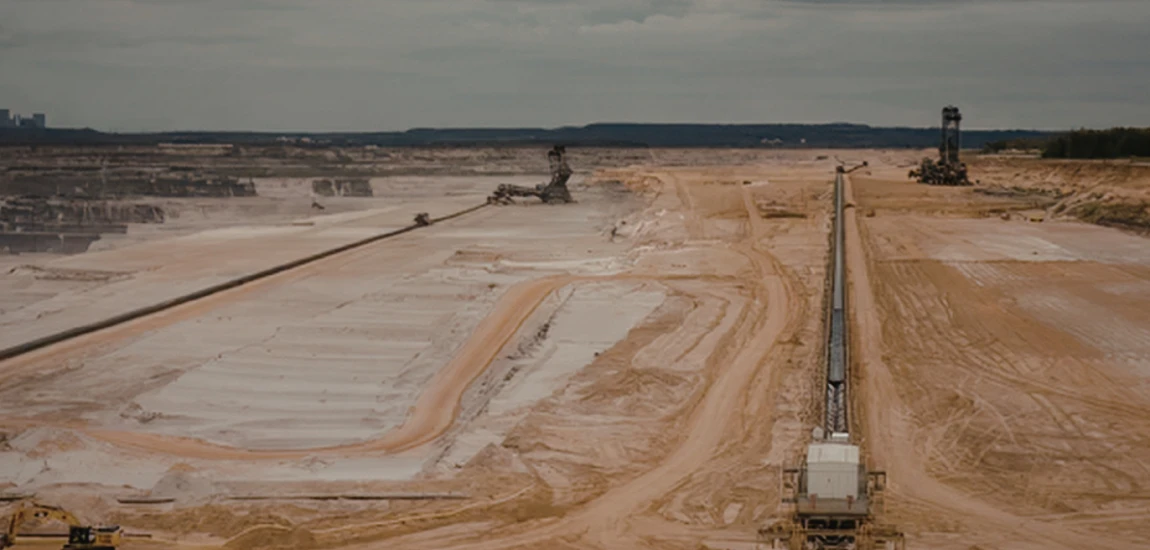
The future of humanity is no longer limited to Earth. As technological innovation accelerates, scientists, engineers, and global space agencies are exploring new ways to extract valuable resources from asteroids, moons, and distant planets. Autonomous space mining intelligence systems and interplanetary resource extraction frameworks are becoming essential technologies for supporting long-term space missions, sustainable exploration, and future extraterrestrial economies.
Space contains enormous quantities of rare minerals, precious metals, water ice, and energy resources that could revolutionize industries on Earth and support human settlements in outer space. However, mining in space presents extreme challenges, including harsh environmental conditions, communication delays, high operational risks, and limited human accessibility. To overcome these obstacles, researchers are developing intelligent autonomous systems capable of performing mining operations with minimal human intervention.
Artificial intelligence, robotics, machine learning, quantum computing, and autonomous navigation technologies are playing a critical role in building advanced interplanetary mining infrastructures. These systems can analyze asteroid compositions, optimize excavation strategies, manage robotic fleets, and ensure efficient resource transportation across vast distances in space.
In this blog, we will explore the foundations, technologies, benefits, challenges, applications, and future opportunities of autonomous space mining intelligence systems while understanding how interplanetary resource extraction frameworks are shaping the next era of human civilization.
Understanding Autonomous Space Mining Intelligence Systems

The Evolution of Space Mining Technologies
Space mining has evolved from a science fiction concept into a realistic technological objective. Early space missions focused primarily on exploration and scientific discovery, but modern aerospace research increasingly emphasizes resource extraction and sustainable space infrastructure development.
Autonomous space mining intelligence systems combine robotics, artificial intelligence, and advanced sensing technologies to perform complex mining tasks in extraterrestrial environments. These systems are designed to operate independently in hazardous locations where human presence is difficult or impossible.
Modern space mining technologies include robotic drilling platforms, autonomous excavation vehicles, intelligent material processing systems, and AI-powered geological analysis tools. Together, these innovations create a fully integrated mining ecosystem capable of functioning efficiently in space.
As global demand for rare earth elements and strategic minerals continues growing, space mining is becoming an attractive solution for addressing future resource shortages on Earth.
AI-Driven Decision-Making in Space Operations
Artificial intelligence plays a crucial role in autonomous mining operations. AI systems analyze massive amounts of geological and environmental data to identify valuable mining locations, optimize excavation methods, and minimize operational risks.
Machine learning algorithms enable autonomous spacecraft and robotic miners to adapt to unpredictable terrain conditions, equipment malfunctions, and communication delays. Unlike traditional systems, intelligent mining frameworks continuously learn from operational experiences and improve performance over time.
AI-driven predictive analytics also help mission planners estimate resource availability, calculate extraction costs, and optimize transportation routes for interplanetary logistics.
The integration of intelligent automation significantly improves efficiency while reducing dependence on direct human control.
Autonomous Robotics and Intelligent Machinery
Space mining operations require highly specialized robotic systems capable of surviving extreme temperatures, radiation exposure, and low-gravity environments. Autonomous robotics provide the precision, endurance, and adaptability needed for extraterrestrial resource extraction.
Intelligent robotic miners can drill, collect, transport, and process materials independently while coordinating with other robotic units through advanced communication networks. Swarm robotics technology further enhances operational scalability by allowing multiple autonomous systems to collaborate efficiently.
Robotic systems equipped with computer vision and sensor fusion technologies can identify valuable minerals and avoid hazardous obstacles in real time. This level of autonomy is essential for conducting large-scale mining operations across distant planetary bodies.
The Framework Behind Interplanetary Resource Extraction

Infrastructure for Extraterrestrial Mining Operations
Interplanetary resource extraction frameworks require sophisticated infrastructure capable of supporting mining activities across multiple celestial environments. These frameworks include orbital stations, robotic mining hubs, autonomous cargo transport systems, and intelligent communication networks.
Mining infrastructure must be designed for durability, efficiency, and long-term sustainability. Autonomous maintenance systems and self-repairing technologies help ensure continuous operation despite harsh space conditions.
Advanced energy systems such as solar arrays and nuclear-powered reactors provide reliable energy sources for mining operations. Intelligent power management systems optimize energy consumption while maintaining operational stability.
The development of scalable space infrastructure will play a critical role in establishing sustainable extraterrestrial industries and supporting future human colonies beyond Earth.
Intelligent Resource Processing and Refinement
Extracting raw materials is only part of the mining process. Interplanetary frameworks also require intelligent resource processing systems capable of refining materials directly in space.
Autonomous processing facilities use AI-driven optimization techniques to separate valuable minerals, purify metals, and convert raw materials into usable resources. Water extracted from asteroids or lunar ice can be converted into hydrogen and oxygen for rocket fuel and life support systems.
In-space resource refinement reduces transportation costs by minimizing the need to transport raw materials back to Earth. This capability significantly improves the economic viability of space mining operations.
Advanced automation ensures consistent processing quality while reducing operational complexity and human dependency.
Communication and Data Transmission Networks
Reliable communication systems are essential for managing autonomous mining operations across vast interplanetary distances. Intelligent communication frameworks use AI-powered data routing and predictive networking technologies to maintain connectivity between spacecraft, mining stations, and mission control centers.
Communication delays present significant challenges in deep-space operations. Autonomous systems must make critical decisions independently without waiting for instructions from Earth.
Advanced satellite networks and quantum communication technologies are being developed to improve data transmission speed, security, and reliability in extraterrestrial environments.
Efficient communication architectures ensure seamless coordination between mining fleets, processing facilities, and transportation systems throughout the interplanetary supply chain.
Benefits of Autonomous Space Mining Intelligence Systems

Access to Unlimited Extraterrestrial Resources
One of the greatest advantages of space mining is access to vast quantities of untapped resources. Asteroids contain valuable metals such as platinum, nickel, cobalt, and rare earth elements that are essential for advanced manufacturing and technology industries.
Autonomous mining systems allow humanity to access these resources efficiently without exhausting Earth’s natural reserves. This could reduce environmental damage caused by traditional mining activities on Earth.
Space-based resource extraction also supports sustainable industrial growth by providing alternative material sources for future generations.
The abundance of extraterrestrial resources may eventually reshape the global economy and reduce geopolitical competition over scarce materials.
Supporting Long-Term Space Exploration
Future human missions to the Moon, Mars, and beyond will require reliable access to local resources. Transporting all supplies from Earth is expensive and impractical for long-duration missions.
Autonomous space mining intelligence systems enable in-situ resource utilization, allowing astronauts and colonies to produce fuel, water, oxygen, and construction materials directly in space.
This capability dramatically improves mission sustainability while reducing logistical dependency on Earth. Intelligent resource extraction frameworks are therefore essential for establishing permanent human settlements beyond our planet.
By enabling self-sufficient space infrastructure, autonomous mining technologies support the long-term expansion of human civilization into deep space.
Economic Growth and Technological Innovation
The development of space mining industries is expected to create enormous economic opportunities. Aerospace companies, robotics manufacturers, AI developers, and energy providers are investing heavily in extraterrestrial mining research.
Technological advancements generated through space mining innovation often benefit industries on Earth as well. Robotics, AI systems, advanced materials, and communication technologies developed for space missions frequently find applications in healthcare, manufacturing, transportation, and cybersecurity.
The commercialization of space resources could become one of the largest economic sectors of the future.
Governments and private organizations that invest early in autonomous mining technologies may gain significant strategic and economic advantages.
Real-World Applications of Interplanetary Mining Frameworks

Asteroid Mining Operations
Asteroids are among the most promising targets for space mining because they contain high concentrations of valuable minerals and metals. Autonomous robotic systems can analyze asteroid composition, perform drilling operations, and extract materials efficiently.
AI-powered navigation systems help mining spacecraft identify stable landing zones and optimize extraction procedures. Swarm robotics technology enables multiple autonomous units to work collaboratively on large asteroid surfaces.
Asteroid mining could provide essential materials for both Earth-based industries and future space infrastructure projects.
The successful commercialization of asteroid mining may revolutionize the global supply chain for rare and strategic resources.
Lunar Resource Extraction
The Moon contains significant quantities of water ice, helium-3, and mineral resources that could support future space missions and energy production systems.
Autonomous lunar mining systems can extract water from permanently shadowed craters and process it into breathable oxygen and rocket fuel. Intelligent excavation robots also assist in constructing lunar habitats and infrastructure.
Lunar mining operations serve as an important testing ground for future Mars and deep-space resource extraction missions.
As international interest in lunar exploration grows, intelligent mining frameworks will become increasingly important for supporting sustainable Moon-based operations.
Mars Colonization and Industrial Development
Mars represents one of humanity’s most ambitious long-term exploration goals. Autonomous resource extraction systems are essential for supporting future Martian colonies and industrial activities.
AI-driven mining systems can extract minerals, water, and construction materials needed for habitat development and life support infrastructure. Intelligent manufacturing technologies may eventually enable fully autonomous industrial ecosystems on Mars.
Resource extraction frameworks reduce reliance on Earth-based supply missions and improve the feasibility of long-term Martian settlement.
The successful integration of mining technologies into Martian infrastructure could pave the way for permanent interplanetary civilization.


Known as "Nomadic Matt," Matthew Kepnes offers practical travel advice with a focus on budget backpacking. His blog aims to help people travel cheaper and longer.
Matthew Kepnes

Prev Post

Next Post