
Advanced Carbon Capture Intelligence Platforms and Climate Stabilization Technologies
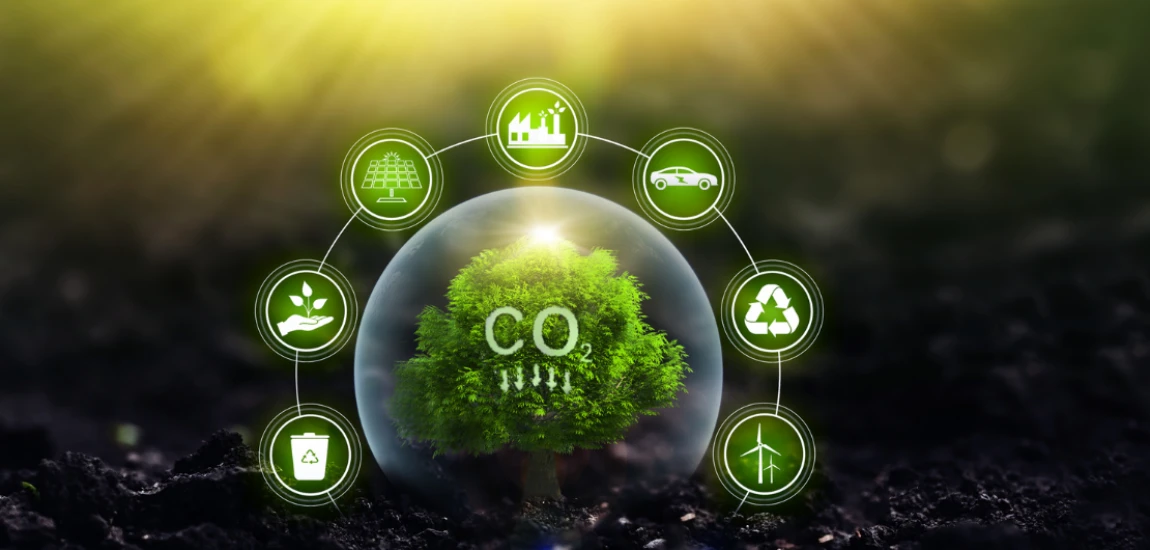
The increasing concentration of greenhouse gases in Earth’s atmosphere has become one of the most critical global challenges of the 21st century. Rising carbon dioxide levels are driving climate change, extreme weather events, rising sea levels, and ecosystem disruption. While renewable energy adoption is accelerating worldwide, reducing emissions alone is not sufficient to reverse accumulated atmospheric carbon. As a result, scientists and engineers are developing Advanced Carbon Capture Intelligence Platforms and Climate Stabilization Technologies to actively remove and manage carbon from the atmosphere.
These systems combine carbon capture, utilization, and storage (CCUS) technologies with artificial intelligence, machine learning, sensor networks, and real-time climate analytics. Unlike traditional carbon capture methods that operate in isolation, intelligent carbon platforms function as integrated systems capable of monitoring emissions, optimizing capture processes, and predicting climate outcomes.
Carbon Capture Intelligence Platforms are designed to analyze large-scale environmental data, identify emission sources, and coordinate carbon removal strategies across industrial, environmental, and geological systems. By integrating advanced computing with physical carbon capture infrastructure, these platforms aim to create scalable solutions for long-term climate stabilization.
As global climate policies become more aggressive and industries seek sustainable solutions, these technologies are emerging as a key pillar in global decarbonization efforts.
Foundations of Carbon Capture Intelligence Platforms

Understanding Carbon Capture and Storage Systems
Carbon capture and storage (CCS) refers to the process of capturing carbon dioxide emissions from industrial sources and storing them underground in geological formations. This technology has been used in various pilot projects and industrial applications, particularly in power plants, cement production, and steel manufacturing.
Carbon Capture Intelligence Platforms enhance this process by integrating digital monitoring, predictive analytics, and AI-based optimization. Instead of operating as isolated systems, CCS facilities become part of a larger intelligent network that continuously analyzes emissions data and improves capture efficiency.
The Role of Direct Air Capture Technologies
Direct Air Capture (DAC) systems remove carbon dioxide directly from the atmosphere rather than from point sources. These systems use chemical processes to filter CO₂ from ambient air, which can then be stored or utilized in industrial applications.
When integrated with intelligence platforms, DAC systems can dynamically adjust capture rates based on atmospheric conditions, energy availability, and carbon concentration levels. This improves efficiency and scalability, making large-scale deployment more viable.
Evolution Toward Intelligent Climate Infrastructure
Traditional carbon capture technologies were largely mechanical and static. Modern systems are evolving into intelligent infrastructures that use data-driven decision-making. These systems can analyze global emission patterns, predict carbon concentration trends, and optimize capture operations across multiple locations simultaneously.
This transformation marks a shift from localized carbon management to globally coordinated climate intelligence systems.
Artificial Intelligence in Carbon Capture Optimization

AI-Driven Emissions Monitoring Systems
Artificial intelligence plays a central role in Carbon Capture Intelligence Platforms by enabling real-time monitoring of greenhouse gas emissions. AI systems process data from satellites, industrial sensors, and environmental monitoring stations to identify emission hotspots.
Machine learning algorithms can detect patterns in emissions data, helping policymakers and industries understand where carbon reduction efforts should be focused. This improves resource allocation and enhances the effectiveness of climate mitigation strategies.
Predictive Modeling for Climate Stabilization
AI-powered predictive models simulate future atmospheric conditions based on current emissions trends. These models help scientists understand how different carbon capture strategies will impact global temperatures over time.
By integrating climate data with machine learning, these systems can forecast long-term environmental outcomes and guide decision-making processes for governments and industries.
Intelligent Optimization of Carbon Capture Processes
Carbon capture efficiency depends on factors such as temperature, pressure, chemical composition, and energy usage. AI systems continuously optimize these variables to maximize carbon removal while minimizing operational costs.
This dynamic optimization allows carbon capture facilities to operate more efficiently and sustainably, making large-scale deployment more economically feasible.
Industrial Applications and Emission Reduction Systems

Decarbonizing Heavy Industries
Industries such as cement, steel, oil refining, and chemical manufacturing are major contributors to global carbon emissions. Carbon Capture Intelligence Platforms are particularly valuable in these sectors because they enable real-time emission tracking and reduction.
By integrating AI with industrial processes, companies can identify inefficiencies and implement targeted carbon reduction strategies without compromising productivity.
Smart Energy Systems and Power Plants
Power generation facilities are among the largest sources of CO₂ emissions. Intelligent carbon capture systems can be integrated directly into power plants to capture emissions before they are released into the atmosphere.
These systems also optimize energy usage by adjusting operations based on demand and environmental conditions, reducing overall carbon output.
Carbon Utilization and Circular Economy Models
Captured carbon can be reused in industrial applications such as synthetic fuel production, building materials, and chemical manufacturing. Carbon Capture Intelligence Platforms help coordinate these utilization processes, creating a circular carbon economy where emissions are converted into valuable resources.
Environmental Monitoring and Climate Intelligence Networks

Satellite-Based Carbon Observation Systems
Modern climate stabilization technologies rely heavily on satellite data to monitor atmospheric carbon levels. These satellites provide global coverage and allow scientists to track emissions from remote and industrial regions.
When combined with AI analytics, satellite data becomes a powerful tool for identifying emission trends and evaluating the effectiveness of carbon capture strategies.
Ground Sensor Networks and Real-Time Data Collection
In addition to satellites, ground-based sensor networks play a critical role in carbon monitoring. These sensors collect localized data on air quality, industrial emissions, and environmental conditions.
Carbon Capture Intelligence Platforms integrate this data into centralized systems for real-time analysis and decision-making.
Climate Digital Twins for Simulation and Planning
Digital twin technology creates virtual models of Earth’s climate systems. These simulations allow scientists to test carbon capture strategies and predict their long-term impact on global temperatures.
By combining digital twins with AI, researchers can develop more effective climate stabilization policies.


Ben Schlappig runs "One Mile at a Time," focusing on aviation and frequent flying. He offers insights on maximizing travel points, airline reviews, and industry news.
Ben Schlappig

Prev Post

Next Post