
Self-Evolving Software Architectures and Autonomous Digital Development Ecosystems
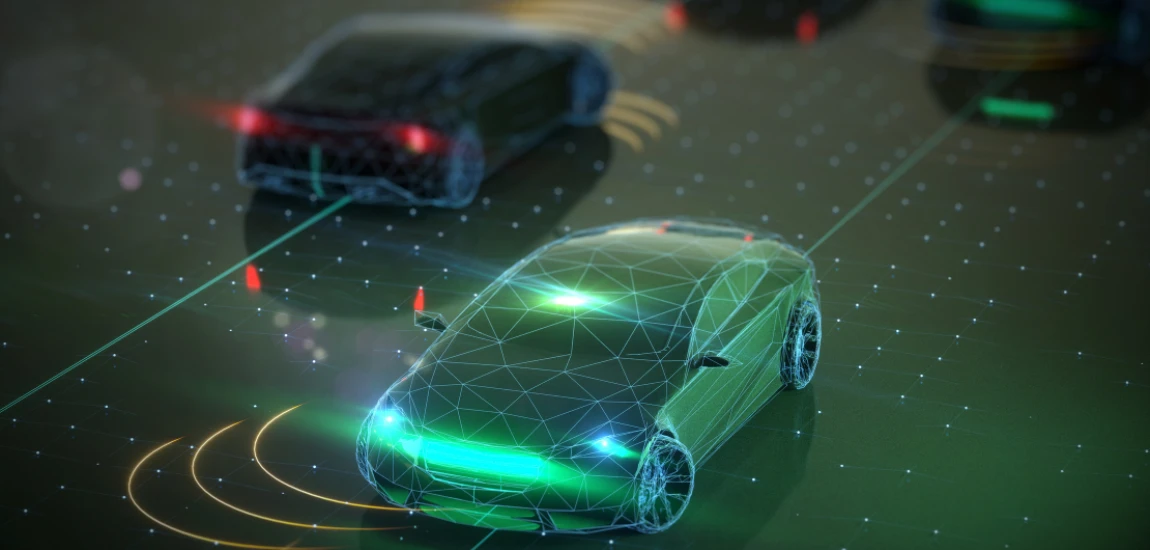
Software engineering has traditionally relied on static design principles, manual coding, and iterative human-driven updates. Developers build applications, deploy them, monitor performance, and release updates based on user feedback and system requirements. While this approach has powered the digital world for decades, it is increasingly challenged by the complexity, scale, and speed required in modern digital ecosystems. As applications become more interconnected and data-driven, a new paradigm is emerging: Self-Evolving Software Architectures and Autonomous Digital Development Ecosystems.
These systems represent a shift from static software to dynamic, continuously adapting digital structures. Instead of relying solely on human intervention, self-evolving architectures use artificial intelligence, machine learning, automated testing, and real-time analytics to improve themselves over time. They can detect inefficiencies, rewrite components, optimize performance, and even generate new features based on user behavior and environmental conditions.
Autonomous Digital Development Ecosystems extend this concept further by integrating development, deployment, monitoring, and optimization into a unified self-operating system. These ecosystems combine DevOps automation, AI code generation, cloud-native infrastructure, and continuous learning loops to create software that evolves without constant manual intervention.
As organizations demand faster innovation cycles and higher system reliability, self-evolving architectures are becoming a critical area of research and implementation in modern software engineering.
Foundations of Self-Evolving Software Architectures

The Concept of Adaptive Software Systems
Self-evolving software architectures are systems designed to modify and improve their own structure and behavior over time. Unlike traditional applications, which require manual updates, these systems incorporate feedback loops that allow them to continuously learn from runtime data. They analyze performance metrics, user interactions, and environmental conditions to identify opportunities for optimization.
At the core of these systems is the idea of adaptability. Software is no longer treated as a fixed product but as a living system that evolves similarly to biological organisms. This evolution is driven by algorithms that monitor system health, detect anomalies, and apply corrective actions automatically.
Evolution from Static to Dynamic Software Design
Traditional software architecture follows a static lifecycle: design, development, deployment, and maintenance. Each stage requires human intervention and often results in delays and inefficiencies. In contrast, self-evolving architectures operate in a continuous cycle where development and maintenance occur simultaneously.
This shift is enabled by advances in cloud computing, containerization, microservices architecture, and AI-driven automation tools. These technologies allow software components to be independently updated, scaled, and optimized without disrupting the entire system.
Role of Feedback Loops in System Evolution
Feedback loops are essential to self-evolving systems. They collect real-time data from system operations and feed it back into machine learning models. These models analyze patterns and make recommendations or automatic adjustments. Over time, the system becomes more efficient, resilient, and aligned with user needs.
Artificial Intelligence in Autonomous Software Development

AI-Driven Code Generation and Optimization
Artificial intelligence plays a central role in autonomous software development ecosystems. AI-powered tools can generate code based on high-level requirements, reducing the need for manual programming. These systems use large language models and machine learning algorithms trained on vast code repositories to produce functional software components.
Beyond code generation, AI also optimizes existing codebases by identifying inefficiencies, redundant processes, and performance bottlenecks. This allows systems to continuously refine themselves without requiring full redevelopment cycles.
Intelligent Debugging and Error Correction
One of the most powerful applications of AI in self-evolving systems is automated debugging. Traditional debugging requires developers to manually identify and fix issues. In autonomous ecosystems, AI systems can detect errors in real time, trace their origins, and apply corrective patches automatically.
This significantly reduces downtime and improves system reliability. Machine learning models can also predict potential failures before they occur, enabling proactive maintenance.
Learning from Developer and User Behavior
AI systems in autonomous development ecosystems learn from both developers and end users. By analyzing coding patterns, user interactions, and system performance data, these models continuously improve their decision-making capabilities. This creates a collaborative environment where human input enhances machine intelligence.
Autonomous DevOps and Continuous Delivery Systems

Self-Managing CI/CD Pipelines
Continuous Integration and Continuous Deployment (CI/CD) pipelines are critical components of modern software engineering. In autonomous ecosystems, these pipelines become self-managing systems that automatically build, test, and deploy software updates.
These pipelines use AI to determine optimal deployment times, select appropriate testing strategies, and roll back changes if issues are detected. This reduces human workload while improving deployment reliability.
Automated Testing and Quality Assurance
Testing is another area where self-evolving systems excel. AI-driven testing frameworks can automatically generate test cases, simulate user behavior, and evaluate system performance under different conditions. This ensures that software remains stable even as it evolves.
Automated quality assurance systems continuously monitor code quality, security vulnerabilities, and performance metrics, ensuring that every update meets predefined standards.
Infrastructure as Code and Dynamic Scaling
Autonomous ecosystems rely heavily on infrastructure as code (IaC), where infrastructure is defined and managed through machine-readable configuration files. This allows systems to automatically scale resources based on demand, optimize cloud usage, and reduce operational costs.
Architecture of Autonomous Digital Development Ecosystems

Microservices and Modular System Design
Self-evolving systems are typically built using microservices architecture, where applications are divided into independent modules. Each module can evolve independently, allowing for greater flexibility and scalability.
This modular design enables systems to update specific components without affecting the entire application, reducing risk and improving adaptability.
Integration of Cloud and Edge Computing
Autonomous development ecosystems leverage both cloud and edge computing. Cloud platforms provide centralized processing power for large-scale analytics, while edge computing enables real-time decision-making closer to data sources.
This hybrid approach enhances system responsiveness and reduces latency, making it ideal for applications such as IoT, autonomous vehicles, and smart infrastructure.
Orchestration Through Intelligent Middleware
Middleware plays a crucial role in coordinating communication between different system components. In autonomous ecosystems, intelligent middleware uses AI to manage data flow, allocate resources, and optimize system performance dynamically.


Dave Lee runs "GoBackpacking," a blog that blends travel stories with how-to guides. He aims to inspire backpackers and offer them practical advice.
Dave Lee

Prev Post

Next Post