
Retro-Futurism Revival: Why Old Visions of the Future Are Popular Again
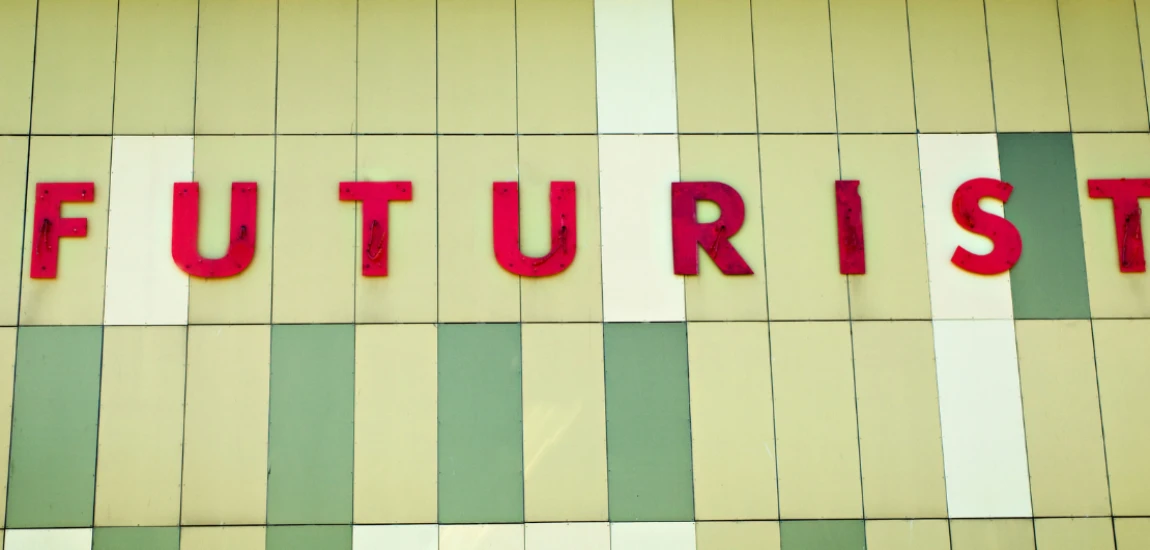
Retro-futurism—a vision of the future imagined by the past—has made a striking comeback in popular culture, design, and entertainment. These aesthetics, often characterized by sleek chrome, rocket motifs, neon lights, and optimistic visions of technology, were first popularized in the 20th century through mid-century sci-fi films, pulp magazines, and concept art. Today, they are influencing everything from fashion and interior design to movies, music videos, and digital media.
Audiences are increasingly drawn to retro-futurism because it combines nostalgia with imagination. It recalls a time when the future was seen as exciting, achievable, and wondrous—unlike the often dystopian visions dominating modern sci-fi. This revival reflects cultural desires to reconnect with optimism while exploring alternative creative visions.
In this blog, we’ll explore the roots of retro-futurism, why it resonates today, its impact on design and entertainment, and how brands and creators can leverage these aesthetics to engage audiences. We’ll examine the psychological, cultural, and technological factors driving this trend and explore actionable insights for creatives in 2025 and beyond.
Understanding Retro-Futurism and Its Origins

The Mid-Century Vision of Tomorrow
Retro-futurism originated in the early to mid-20th century, particularly during the post-war era. Magazines like Popular Science and pulp fiction novels envisioned a future filled with rocket ships, flying cars, domed cities, and robots serving humanity. These visions were not just artistic—they reflected cultural optimism about technological progress, space exploration, and modernity. Designers and illustrators imagined utopian societies where science and innovation solved societal problems, creating a hopeful vision of tomorrow that felt attainable.
The Influence of Science Fiction and Popular Media
Movies, TV shows, and advertisements contributed to retro-futuristic imagery. Classics like Metropolis (1927), Flash Gordon (1930s), and The Jetsons (1962) defined the aesthetic with streamlined technology, geometric forms, and bold, colorful visuals. These works created a visual shorthand for “future,” blending science, art, and societal aspirations. They also established a cultural language of optimism and sleek sophistication that continues to resonate today.
Why Retro-Futurism Captures the Imagination
The appeal of retro-futurism lies in its combination of nostalgia and innovation. It allows people to reminisce about a time when the future seemed exciting while simultaneously embracing creative experimentation. By revisiting these past visions, audiences experience both comfort and wonder, making retro-futurism a uniquely compelling aesthetic for entertainment and design.
The Cultural Resurgence of Retro-Futurism

Nostalgia as Emotional Resonance
Cultural nostalgia has become a driving force in entertainment and design. Audiences are drawn to aesthetics that evoke a simpler or more optimistic vision of the past. Retro-futurism taps into this longing for an idealized era, offering an escapist experience in contrast to the present’s fast-paced, tech-saturated reality. Films, music videos, and video games often adopt these styles to evoke familiarity while remaining imaginative and aspirational.
Retro-Futurism in Fashion and Design
Fashion designers and product creators are reviving retro-futuristic motifs, from metallic fabrics and space-age silhouettes to neon-colored interiors and furniture. These aesthetics give physical spaces and consumer products a futuristic yet nostalgic feel, appealing to consumers who crave novelty intertwined with comfort. Retro-futurism has become a cultural signal for creativity, optimism, and forward-thinking style.
The Role of Digital Media and Social Platforms
Social media platforms amplify retro-futuristic content by enabling rapid sharing of visually striking designs and multimedia content. TikTok, Instagram, and Pinterest users increasingly engage with retro-futuristic visuals, DIY crafts, and aesthetic compilations. The trend spreads virally as communities share, remix, and reinterpret the style, making retro-futurism a modern cultural movement.
Retro-Futurism in Entertainment

Films and Television
Modern filmmakers are integrating retro-futuristic aesthetics to create visually compelling worlds. Movies like Tron: Legacy, Sky Captain and the World of Tomorrow, and Tomorrowland blend 1930s-1960s futuristic designs with contemporary storytelling techniques. TV shows like Star Trek: Strange New Worlds incorporate mid-century futurist motifs in set design and costumes, blending nostalgia with contemporary sensibilities.
Gaming and Interactive Media
Video games leverage retro-futuristic worlds to create immersive, imaginative experiences. Titles like Bioshock and Fallout incorporate Art Deco, chrome textures, and optimistic futurism as part of world-building, while indie games reimagine neon cyber-futures. Players are drawn to these aesthetics because they combine escapism with the allure of an idealized past.
Music Videos and Pop Culture
Musicians and visual artists are incorporating retro-futuristic elements into performances and music videos. Synthwave and retro-inspired electronic music often include neon grids, chrome landscapes, and 80s-inspired futurist visuals. These creative applications signal an alignment with nostalgia while positioning the artist as forward-thinking and imaginative.
Psychological and Sociological Drivers

Optimism in a Complex World
Retro-futurism offers a hopeful vision of the future that contrasts with contemporary anxieties like climate change, political instability, and technological surveillance. Audiences are drawn to optimistic narratives that show human ingenuity and innovation as forces for good. This aspirational quality fosters emotional satisfaction and escapism.
Cultural Reflection and Critique
Retro-futurism also serves as a tool for cultural reflection. By comparing past visions of the future with present realities, creators encourage audiences to critique societal progress, innovation, and ethical choices. This layered storytelling appeals to audiences seeking intellectual engagement as well as visual stimulation.
The Comfort of Predictable Aesthetics
The geometric, streamlined forms of retro-futurism provide visual clarity in an often chaotic digital landscape. Predictable design patterns, bright colors, and symmetrical shapes create aesthetic pleasure and cognitive ease, making retro-futurism inherently satisfying to consume.
Retro-Futurism in Design and Branding

Product Design and Consumer Goods
Brands are adopting retro-futuristic aesthetics for tech gadgets, furniture, and fashion. Products evoke both innovation and nostalgia, suggesting reliability while remaining visually captivating. From chrome appliances to neon packaging, retro-futurism communicates creativity and forward-thinking values.
Marketing and Brand Identity
Advertising campaigns increasingly incorporate retro-futuristic motifs to resonate with audiences. By aligning with optimism, sleek visuals, and aspirational messaging, brands position themselves as imaginative, trustworthy, and culturally aware. This approach appeals particularly to younger audiences who crave novelty with a nostalgic twist.
Spatial Design and Architecture
Interior and urban design also embrace retro-futurism. Spaces featuring curved lines, metallic surfaces, neon lighting, and futuristic furniture create immersive environments that reinforce brand identity, event concepts, or retail experiences. These designs evoke emotional responses while signaling modernity and creativity.


Anil Polat, behind the blog "FoxNomad," combines technology and travel. A computer security engineer by profession, he focuses on the tech aspects of travel.
Anil Polat

Prev Post
Next Post