
AI-Enhanced Robotics Vision Systems and Advanced Object Recognition Architectures
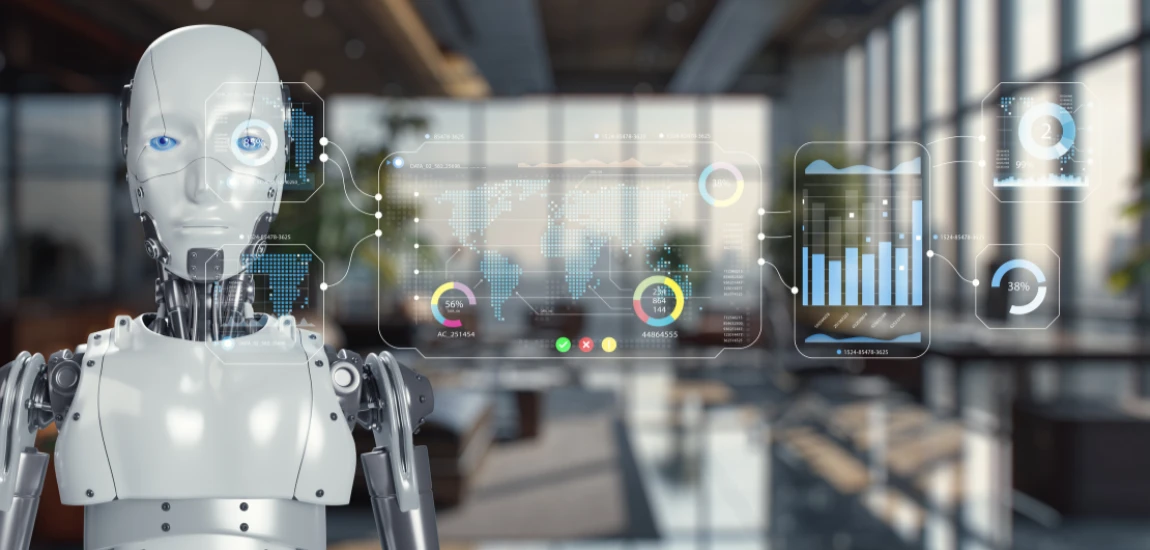
Artificial intelligence and robotics are rapidly transforming industries by enabling machines to perceive, analyze, and interact with the physical world more intelligently. AI-enhanced robotics vision systems and advanced object recognition architectures are at the center of this technological evolution, allowing robots to identify objects, understand environments, and make autonomous decisions with remarkable accuracy. These intelligent systems combine computer vision, deep learning, neural networks, sensor fusion, machine learning, and real-time image processing technologies to create highly adaptive robotic platforms capable of operating in dynamic environments. From industrial automation and autonomous vehicles to healthcare robotics and smart surveillance systems, AI-powered vision architectures are redefining the capabilities of modern robotic systems. As demand for intelligent automation continues increasing globally, robotics vision technologies are becoming essential for improving operational efficiency, safety, and precision across multiple industries.
Understanding AI-Enhanced Robotics Vision Systems

Evolution of Robotics Vision Technologies
Robotic systems have evolved significantly over the past several decades. Early industrial robots primarily relied on fixed programming and limited sensor capabilities, restricting their ability to adapt to changing environments or recognize objects accurately.
The development of computer vision and artificial intelligence transformed robotics by enabling machines to process visual information similarly to humans. AI-enhanced robotics vision systems use cameras, sensors, neural networks, and machine learning algorithms to analyze visual environments and identify objects in real time.
Unlike traditional robotic systems, intelligent vision architectures continuously learn from new data and improve recognition accuracy over time. These systems can detect shapes, colors, movement patterns, distances, and environmental changes with exceptional precision.
As industries increasingly adopt automation and intelligent robotics, AI-powered vision technologies are becoming fundamental components of modern robotic ecosystems.
Core Components of Robotics Vision Architectures
AI-powered robotics vision systems rely on multiple advanced technologies working together to create intelligent perception frameworks. High-resolution cameras and LiDAR sensors capture visual and spatial data from surrounding environments continuously.
Computer vision algorithms process image data to identify objects, detect motion, and analyze environmental conditions. Deep learning models and convolutional neural networks further improve recognition accuracy by learning from large image datasets.
Sensor fusion technologies combine information from cameras, infrared sensors, ultrasonic systems, and radar devices to create comprehensive environmental awareness for robotic platforms.
Edge computing and cloud-based AI infrastructure support real-time image processing and large-scale machine learning operations. Advanced GPUs and AI accelerators further improve computational performance for robotics vision applications.
Together, these technologies enable robots to perceive and interpret complex environments intelligently.
Importance of Intelligent Object Recognition
Object recognition is one of the most critical capabilities in modern robotics systems. AI-enhanced object recognition architectures enable robots to identify, classify, and interact with objects accurately in real-world environments.
Intelligent vision systems improve robotic precision and operational safety by allowing machines to understand their surroundings and respond appropriately to dynamic conditions.
These technologies support applications such as autonomous navigation, industrial automation, healthcare assistance, warehouse management, and smart surveillance systems.
As robotic systems become more autonomous and versatile, advanced object recognition technologies will continue playing a central role in future automation ecosystems.
Deep Learning and Computer Vision in Robotics

Convolutional Neural Networks for Visual Recognition
Convolutional neural networks are among the most important technologies used in AI-enhanced robotics vision systems. CNN models analyze visual information by identifying patterns, textures, shapes, and object features within digital images.
These neural networks continuously improve recognition accuracy through exposure to large training datasets and real-world visual scenarios. CNNs can recognize faces, vehicles, industrial components, medical images, and environmental obstacles with remarkable precision.
In robotics applications, convolutional neural networks support autonomous navigation, object tracking, quality inspection, and robotic manipulation tasks.
The integration of CNN-based vision systems is significantly improving robotic intelligence across industrial, commercial, and consumer applications.
Real-Time Image Processing Technologies
Real-time image processing is essential for robotics systems operating in fast-changing environments. AI-powered vision architectures analyze incoming visual data instantly to support rapid robotic decision-making and movement coordination.
Machine learning algorithms process image streams continuously to detect obstacles, monitor object movement, and recognize environmental changes in real time.
Low-latency processing capabilities are especially important for autonomous vehicles, drone navigation, industrial robotics, and healthcare applications where immediate responses are critical.
Advances in edge AI and high-performance computing technologies are further improving real-time image analysis capabilities in modern robotics systems.
Sensor Fusion and Environmental Awareness
Sensor fusion technologies improve robotic perception by combining data from multiple sensing devices such as cameras, LiDAR, radar, ultrasonic sensors, and infrared systems.
AI algorithms integrate these data sources to create detailed environmental models and improve object detection accuracy under varying conditions.
Sensor fusion enhances robotic performance in low-light environments, crowded spaces, and complex operational settings where single-sensor systems may struggle.
These technologies significantly improve navigation reliability, collision avoidance, and situational awareness for autonomous robotic platforms.
As robotics applications become more advanced, sensor fusion will remain a key component of intelligent machine perception systems.
Applications of AI-Enhanced Robotics Vision Systems

Industrial Automation and Manufacturing Robotics
Industrial manufacturing is one of the largest adopters of robotics vision technologies. AI-powered robotic systems improve assembly operations, product inspection, material handling, and packaging processes with exceptional speed and accuracy.
Computer vision systems identify manufacturing defects, monitor assembly line performance, and guide robotic arms during precision operations automatically.
Machine learning algorithms also optimize industrial workflows by analyzing production data and identifying operational inefficiencies.
Robotics vision technologies significantly improve manufacturing productivity, consistency, and workplace safety across modern industrial environments.
Autonomous Vehicles and Smart Transportation
Autonomous transportation systems depend heavily on advanced robotics vision architectures to navigate roads safely and efficiently.
AI-powered object recognition systems identify vehicles, pedestrians, traffic signs, road markings, and environmental obstacles in real time. Sensor fusion technologies further improve autonomous driving accuracy under complex weather and traffic conditions.
Computer vision platforms continuously analyze road environments and support intelligent navigation decisions for self-driving cars, delivery robots, and autonomous drones.
As autonomous mobility technologies continue advancing, robotics vision systems will remain critical for ensuring transportation safety and operational reliability.
Healthcare Robotics and Medical Imaging
Healthcare is another major sector benefiting from AI-enhanced robotics vision systems. Surgical robots use computer vision technologies to assist doctors during minimally invasive procedures with improved precision and control.
Medical imaging systems powered by AI analyze X-rays, MRIs, CT scans, and pathology images to identify diseases and abnormalities more accurately.
Healthcare robots also support patient monitoring, rehabilitation therapy, medication delivery, and elderly assistance applications.
AI-driven medical vision technologies are improving healthcare efficiency, diagnostic accuracy, and patient outcomes worldwide.
Intelligent Navigation and Autonomous Robotics

Autonomous Navigation Systems
Autonomous robots require advanced navigation capabilities to operate independently in dynamic environments. AI-powered navigation systems use computer vision, mapping algorithms, and sensor fusion technologies to guide robotic movement safely.
Simultaneous localization and mapping technologies allow robots to create environmental maps while tracking their own positions continuously.
Machine learning models improve navigation performance by helping robots adapt to changing surroundings and unexpected obstacles.
Autonomous navigation systems are widely used in warehouses, logistics centers, autonomous vehicles, agricultural robotics, and exploration missions.
These technologies are significantly expanding the practical applications of intelligent robotics worldwide.
Robotic Grasping and Manipulation
Object manipulation is a complex challenge in robotics because it requires accurate object recognition, depth estimation, and movement coordination.
AI-enhanced robotics vision systems improve robotic grasping capabilities by enabling machines to identify object shapes, positions, textures, and orientations precisely.
Deep learning algorithms help robots adapt their gripping strategies dynamically based on object characteristics and environmental conditions.
Robotic manipulation technologies are especially valuable in industrial manufacturing, logistics automation, healthcare assistance, and warehouse operations.
Advancements in computer vision are significantly improving robotic dexterity and operational flexibility.
Human-Robot Collaboration
Modern robotics systems increasingly operate alongside humans in shared environments. AI-powered vision systems improve collaboration safety by detecting human movement, gestures, and proximity in real time.
Collaborative robots use computer vision technologies to adjust movement speed, avoid collisions, and respond to human instructions dynamically.
Human-robot collaboration frameworks improve workplace productivity while maintaining safe operational conditions in manufacturing facilities, healthcare environments, and service industries.
As collaborative robotics adoption grows, intelligent vision systems will become increasingly important for supporting efficient human-machine interaction.


Known as "Nomadic Matt," Matthew Kepnes offers practical travel advice with a focus on budget backpacking. His blog aims to help people travel cheaper and longer.
Matthew Kepnes
Prev Post
Next Post