
Nostalgia Reboots: Why We Can’t Stop Remaking the Past
The psychology behind nostalgia cravings
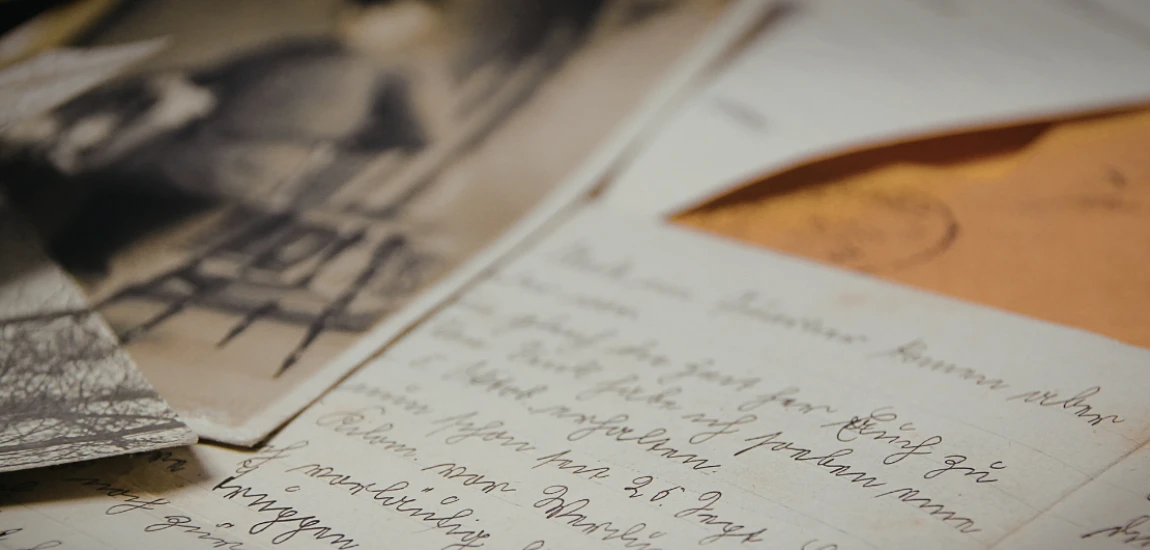
The rise of nostalgia reboots is not simply a corporate cash-grab—it’s rooted in deep psychological patterns that shape how we view the world. Nostalgia acts like a comforting emotional anchor, especially in times of uncertainty. When the world feels chaotic or rapidly changing, people instinctively latch onto familiar stories, music, shows, or characters that evoke warmth and stability. This emotional attachment is why audiences are drawn to remakes of classics they grew up with. The original wasn’t just entertainment—it represented a moment in their lives when things felt simpler, safer, and more joyful.
Psychologically, nostalgia triggers dopamine release, creating a literal chemical sense of comfort. Reboots, therefore, are more than entertainment—they function almost as emotional therapy.
How nostalgia reinforces identity
Nostalgia also helps shape personal identity. People often view their favorite childhood shows or movies as symbolic markers of who they were and who they believed they could become. Revisiting that content through modern reboots allows them to reconnect with lost versions of themselves. Whether it’s the revival of a childhood cartoon, a reimagined video game, or a live-action remake of a beloved animated film, nostalgia enables people to travel back to the emotional blueprint of their formative years.
This identity reinforcement is powerful—and explains why fans react strongly when reboots deviate too far from the original tone or characters.
A collective cultural longing
Nostalgia operates not only individually but collectively. Entire generations share emotional bonding over the same cultural moments—whether it's ’80s action movies, ’90s sitcoms, or early 2000s teen dramas. Reboots reignite these shared experiences, creating a sense of community, connection, and belonging. This communal nostalgia fuels viral conversations, fan theories, and online excitement.
In short, reboot culture thrives because nostalgia reminds us of who we were, who we are, and what we value.
Hollywood’s Reboot Machine: Why the Entertainment Industry Keeps Recycling Content

The economics of familiarity
Hollywood’s love for nostalgia reboots is heavily driven by financial logic. Reboots come with built-in audiences, existing fan loyalty, and cultural name recognition—all of which dramatically lower marketing risk. Studios are increasingly cautious about investing money into original films because new stories require heavy advertising to gain attention in an oversaturated content landscape. But a reboot? It markets itself.
This pre-existing buzz guarantees higher opening weekend numbers, increased merchandise opportunities, and better global distribution deals.
Remakes as “safe bets” in an unstable market
Streaming wars, box-office fluctuations, and shifting viewer habits have made originality feel risky. Studios prefer to invest in predictable intellectual property (IP) that has already proven successful. Whether it’s reboots of superhero franchises, live-action remakes of animated films, or sequels to decades-old classics, the entertainment industry sees reboots as reliable revenue generators.
Nostalgia-driven content also performs well on streaming platforms. Algorithms prioritize recognizable titles because they attract viewers who might otherwise scroll endlessly.
Creative reinvention or creative stagnation?
While some argue Hollywood has become creatively bankrupt due to its dependence on reboots, others believe reboots offer opportunities for reinvention. Modern filmmakers can update outdated themes, diversify casts, and introduce new narratives while retaining the heart of the original story.
However, the balance is delicate. Audiences want innovation—but only as long as it preserves the nostalgic emotional core.
This tension defines the current reboot era.
Technology’s Role in Reviving the Past: From CGI to AI Enhancements

Modern technology makes old stories feel new
Advancements in CGI, animation, motion capture, and digital effects have made it easier than ever to bring nostalgic stories back to life. These technologies allow studios to recreate worlds with richer visual detail, giving audiences a fresh yet familiar experience. This is why reboots like CGI-driven remakes or updated video games attract new generations without alienating older fans.
State-of-the-art tools turn old franchises into visually enhanced spectacles.
AI and deepfake technologies in reboot culture
Artificial intelligence also plays a major role in reboot trends. AI tools restore old footage, remaster audio, and even recreate the likeness of actors who have aged or passed away. Voice synthesis technology allows iconic characters to return without needing the original performers.
While controversial, these technologies create an opportunity to extend the life of beloved characters and storylines.
Streaming platforms and algorithmic nostalgia
Streaming platforms rely on algorithms that push nostalgia-heavy content directly to viewers. These systems learn what people watched years ago and recommend reboots or reimagined versions of those favorites.
As technology becomes smarter, it doesn’t just serve nostalgia—it actively shapes it.
This algorithmic nostalgia makes reboots feel unavoidable, but also irresistible.
The Emotional Economics of Nostalgia Marketing

Nostalgia as a marketing strategy
Brands recognize the emotional power of nostalgia and use it deliberately. Trailers, posters, and teasers for reboots often highlight iconic scenes, characters, or soundtracks from the original versions. This instantly triggers emotional recognition and primes audiences to feel connected before they’ve even seen the reboot.
Nostalgia marketing is incredibly effective because it bypasses rational thinking and appeals directly to memory and emotion.
Fan culture fuels the hype
Nostalgic fandoms are incredibly passionate and vocal. Their excitement generates online buzz, trending hashtags, and viral anticipation. Fans analyze frames, compare trailers to originals, and debate changes—even when they haven’t yet seen the final product.
This social amplification increases visibility for studios without needing excessive marketing budgets.
The more nostalgic the content, the more people discuss it.
Merchandise, collectibles, and the reboot economy
Reboot culture also drives a massive merchandise economy. When fans reconnect with old franchises, they invest in collectible items, apparel, soundtracks, and memorabilia.
Nostalgia sells—not only the reboot itself but the entire aesthetic and emotional experience surrounding it.
The Dark Side of Nostalgia: When Reboots Fail or Backfire

Creative disappointment and fan backlash
Nostalgia reboots come with high expectations. Fans demand authenticity, emotional continuity, and respect for the original material. When a reboot strays too far, it triggers intense backlash.
This can result in review-bombing, online criticism, and long-term brand damage.
Examples include reboots that misunderstood character motivations, altered storylines too drastically, or removed beloved elements.
The risk of oversaturation
Too many reboots can create cultural fatigue. When everything gets revived—TV shows, movies, games, even childhood snacks—nostalgia loses its magic.
Oversaturation leads to cynicism, with audiences feeling manipulated rather than emotionally moved.
This creates a paradox: reboots are popular, but the more they appear, the less special they become.
Are we avoiding original stories?
An overdependence on nostalgia reboots may limit opportunities for new storytellers. When studios prioritize old IP, it becomes harder for fresh ideas to enter the mainstream.
This stagnation slows cultural innovation and forces audiences to live in a loop of repackaged memories.
The Future of Remakes: Reinvention, Evolution, and Creative Possibilities

Hybrid storytelling that blends nostalgia with innovation
The future of nostalgia reboots won’t be simple repetition. Instead, we’ll see hybrid forms that combine old and new narratives, offering audiences the emotional familiarity they crave while pushing stories into unexplored territory.
This includes expanded universes, alternate timelines, and thematic reinterpretations.
Greater diversity and updated storytelling
Future reboots will likely correct past cultural blind spots by updating casting, themes, and representation. This creates an opportunity to make nostalgic stories more inclusive and relevant to modern audiences.
Reboots can serve as bridges between generations—not just through shared emotional memory but through shared cultural growth.
Originality strengthened by nostalgia
Ironically, nostalgia may help inspire new ideas rather than replace them. Artists who grew up loving certain franchises may create fresh works influenced by those memories but not restricted by them.
Reboots will evolve, and originality will adapt along with them.


Gilbert Ott, the man behind "God Save the Points," specializes in travel deals and luxury travel. He provides expert advice on utilizing rewards and finding travel discounts.
Gilbert Ott
Prev Post
Next Post