
Sustainable Smart City Intelligence Systems and Energy-Efficient Urban Infrastructure Frameworks
Urbanization is accelerating rapidly across the world, creating increasing pressure on transportation systems, energy resources, environmental sustainability, and public infrastructure. Modern cities must manage growing populations while reducing carbon emissions, improving energy efficiency, and maintaining high-quality public services. Sustainable smart city intelligence systems and energy-efficient urban infrastructure frameworks are emerging as transformative solutions designed to address these complex urban challenges. These advanced systems combine artificial intelligence, IoT networks, cloud computing, renewable energy technologies, predictive analytics, and real-time monitoring platforms to create intelligent, adaptive, and environmentally sustainable urban ecosystems. From smart transportation and intelligent energy grids to automated waste management and digital governance platforms, AI-powered smart city technologies are reshaping the future of urban development worldwide. As governments and industries increasingly prioritize sustainability and resilience, intelligent urban infrastructure systems are becoming essential for building greener, safer, and more efficient cities for future generations.
Understanding Sustainable Smart City Intelligence Systems

Evolution of Smart City Technologies
Cities have evolved significantly over the past century as industrialization, population growth, and digital transformation reshaped urban environments. Traditional urban infrastructure systems often relied on manual operations and isolated technologies that struggled to manage growing urban complexity efficiently.
The introduction of smart city technologies transformed urban management by integrating digital communication systems, IoT sensors, and data-driven decision-making platforms into city infrastructure. Sustainable smart city intelligence systems take this evolution further by combining artificial intelligence, automation, and renewable energy integration to improve urban efficiency and environmental sustainability.
These intelligent systems continuously collect and analyze real-time data related to transportation, energy usage, water distribution, environmental conditions, and public safety. Unlike conventional urban management approaches, AI-powered smart city frameworks can adapt dynamically to changing conditions and optimize resource allocation automatically.
As climate change and urban population growth continue intensifying globally, intelligent city technologies are becoming increasingly important for sustainable urban development.
Core Components of Smart Urban Infrastructure
Sustainable smart city ecosystems rely on several interconnected technologies that work together to improve urban efficiency and resilience. IoT-enabled sensors monitor traffic flow, air quality, energy consumption, waste management systems, and public infrastructure performance continuously.
Artificial intelligence platforms analyze urban data using machine learning algorithms and predictive analytics models to identify inefficiencies and optimize city operations. Cloud computing infrastructure supports centralized data processing and real-time communication between urban systems.
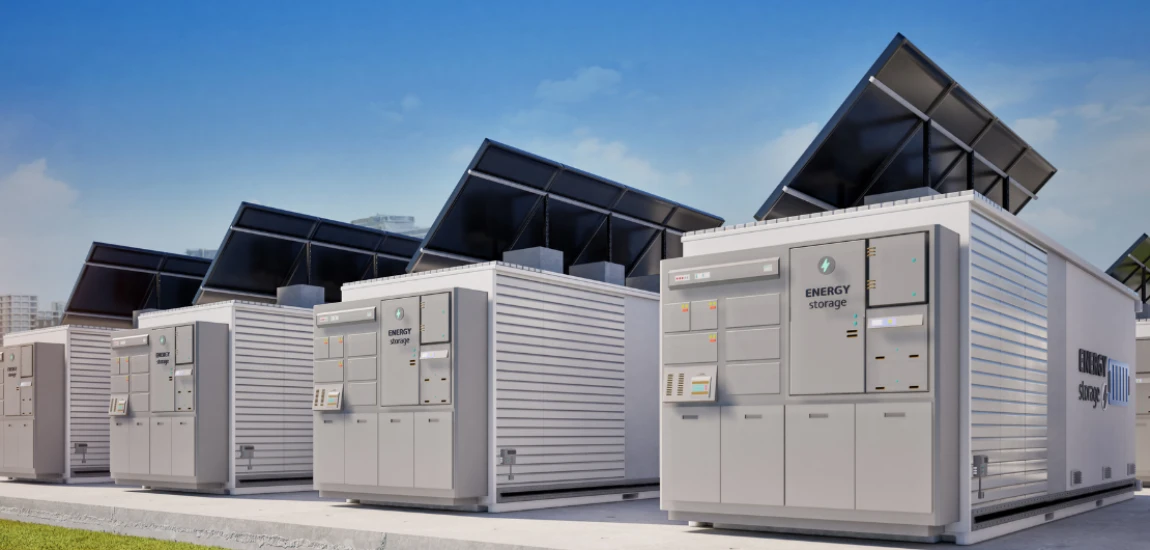
Renewable energy technologies such as solar grids, wind energy systems, and intelligent battery storage platforms further improve urban sustainability. Smart water management systems and automated waste collection networks also contribute to efficient resource utilization.
Digital governance platforms enhance citizen engagement by enabling real-time communication between governments and residents through connected applications and public service portals.
Together, these technologies create intelligent urban ecosystems capable of improving sustainability, efficiency, and quality of life.
Importance of Sustainable Urban Intelligence
Urban intelligence systems improve city management by enabling faster, data-driven decision-making and more efficient resource allocation. AI-powered urban infrastructure frameworks help cities reduce operational costs, improve public safety, and optimize energy consumption.
Smart city technologies also support sustainability goals by lowering carbon emissions, reducing waste generation, and encouraging renewable energy adoption.
Intelligent urban systems improve transportation efficiency, reduce traffic congestion, and strengthen disaster response coordination through real-time analytics and automation.
As cities continue expanding globally, sustainable smart city intelligence systems will become increasingly essential for maintaining economic growth, environmental sustainability, and urban resilience.
AI-Driven Energy Management and Smart Grids

Intelligent Energy Distribution Systems
Energy management is one of the most critical aspects of sustainable urban development. Traditional electrical grids often struggle with inefficiencies, power losses, and fluctuating energy demand patterns.
AI-powered smart grids improve electricity distribution by analyzing real-time energy consumption data and dynamically adjusting power allocation across urban networks. Machine learning algorithms predict energy demand trends and optimize grid performance automatically.
Smart grids also improve energy reliability by detecting faults, preventing outages, and supporting rapid infrastructure maintenance responses.
These intelligent energy systems significantly improve operational efficiency while reducing electricity waste and environmental impact.
Renewable Energy Integration
Renewable energy integration plays a major role in sustainable smart city development. AI-driven infrastructure frameworks help cities manage solar power systems, wind farms, battery storage facilities, and electric vehicle charging networks more effectively.
Predictive analytics technologies forecast renewable energy generation patterns based on weather conditions and environmental factors. This improves energy balancing and reduces dependency on fossil fuels.
Intelligent energy management systems also optimize battery storage utilization and coordinate renewable energy distribution across urban environments.
As governments prioritize carbon neutrality and environmental sustainability, renewable energy integration technologies are becoming essential components of future smart cities.
Energy Efficiency and Consumption Optimization
Energy-efficient urban infrastructure systems continuously monitor and optimize electricity consumption across residential, commercial, and industrial sectors.
AI-powered building management systems automatically control lighting, heating, cooling, and appliance operations based on occupancy patterns and environmental conditions.
Smart meters provide real-time energy usage insights that help consumers and city planners reduce unnecessary power consumption.
Energy optimization technologies lower operational costs while supporting environmental sustainability and climate protection goals.
These intelligent systems are helping cities create more sustainable and energy-resilient urban environments.
Intelligent Transportation and Urban Mobility Networks

AI-Powered Traffic Management Systems
Traffic congestion is one of the most significant challenges facing modern cities. AI-powered transportation intelligence systems use real-time traffic monitoring, predictive analytics, and adaptive signal management to optimize urban mobility.
IoT sensors and computer vision technologies analyze vehicle movement, pedestrian activity, and road conditions continuously. AI systems dynamically adjust traffic signals and recommend alternative routes to reduce congestion and improve travel efficiency.
Intelligent transportation frameworks also improve emergency response coordination and public transportation scheduling.
These technologies reduce fuel consumption, lower emissions, and improve overall urban transportation performance significantly.
Smart Public Transportation Systems
Efficient public transportation is essential for sustainable urban mobility. AI-powered transit management systems optimize bus routes, train schedules, and passenger flow using predictive analytics and real-time commuter data.
Machine learning technologies analyze travel demand patterns to improve transportation capacity planning and reduce overcrowding.
Smart ticketing systems, mobile applications, and digital navigation platforms further improve commuter convenience and operational efficiency.
AI-driven public transportation systems encourage sustainable mobility while reducing dependency on private vehicle ownership.
As urban populations continue growing, intelligent transit solutions will become increasingly important for future smart cities.
Electric Vehicles and Autonomous Mobility
Electric vehicles and autonomous transportation technologies are transforming urban mobility ecosystems. Smart city intelligence systems support EV charging infrastructure management and optimize energy distribution for electric transportation networks.
AI-driven traffic coordination platforms also improve autonomous vehicle safety and navigation efficiency through real-time communication with transportation infrastructure.
Connected mobility ecosystems enable seamless integration between ride-sharing services, public transit systems, and autonomous transportation fleets.
These innovations are helping cities reduce emissions while improving transportation accessibility and operational efficiency.
Smart Environmental Monitoring and Sustainability

Air Quality Monitoring Systems
Environmental monitoring is essential for maintaining healthy urban living conditions. AI-powered environmental intelligence systems continuously monitor air pollution, greenhouse gas emissions, and weather conditions using connected sensors and predictive analytics platforms.
Machine learning algorithms identify pollution patterns and forecast environmental risks before they become severe public health issues.
Governments use these insights to implement environmental protection strategies and improve urban planning decisions.
Real-time air quality monitoring significantly improves public awareness and supports sustainable city development initiatives.
Intelligent Waste Management Systems
Traditional waste management systems often face inefficiencies related to collection scheduling, recycling coordination, and landfill management.
Smart waste management platforms use IoT sensors and AI analytics to monitor waste levels, optimize collection routes, and improve recycling operations automatically.
Predictive analytics technologies help municipalities reduce operational costs and minimize environmental impact associated with waste disposal.
Automated waste management systems also improve urban cleanliness and support circular economy initiatives.
These technologies are becoming increasingly important for sustainable urban infrastructure planning.
Water Conservation and Smart Resource Management
Water scarcity and infrastructure inefficiencies are major challenges for rapidly growing urban populations.
AI-driven water management systems monitor water usage, pipeline conditions, and environmental factors to improve resource allocation and reduce waste.
Smart sensors detect leaks, contamination risks, and abnormal consumption patterns in real time. Predictive maintenance technologies further improve infrastructure reliability and operational efficiency.
Intelligent water conservation systems support long-term sustainability while helping cities maintain resilient resource management strategies.


Gary Arndt operates "Everything Everywhere," a blog focusing on worldwide travel. An award-winning photographer, Gary shares stunning visuals alongside his travel tales.
Gary Arndt

Prev Post

Next Post