
Urban Density Navigation Strategies: Smarter Travel in Crowded Cities
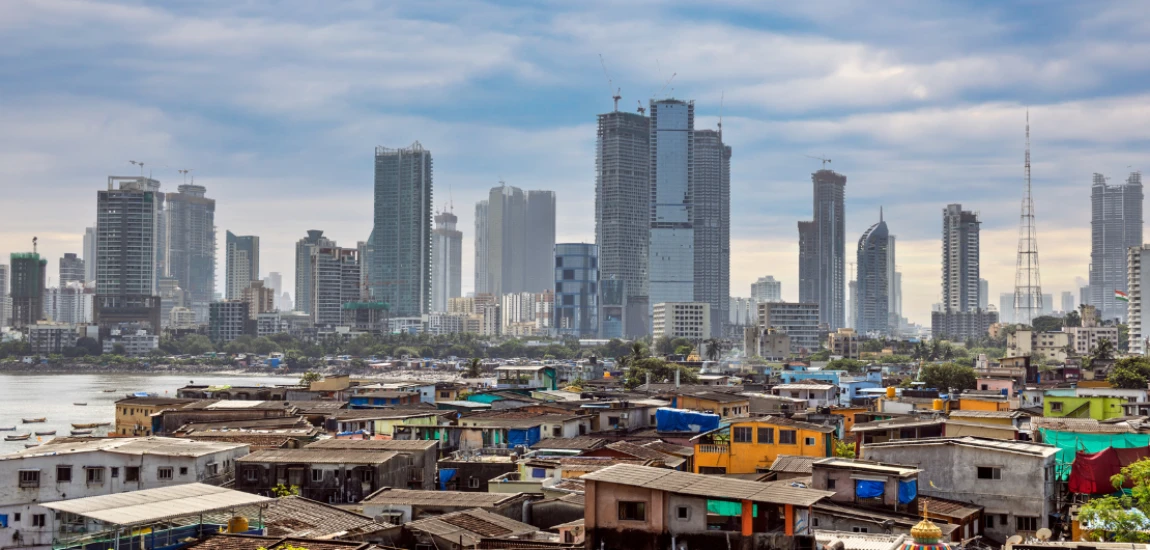
Modern cities are becoming increasingly dense as populations grow and urbanization continues worldwide. While dense cities often offer economic opportunities, cultural diversity, and vibrant social life, they also present one major challenge: congestion. Whether it’s crowded sidewalks, traffic jams, packed public transport, or slow-moving pedestrian zones, navigating high-density urban environments can be frustrating and time-consuming.
To address these challenges, researchers, city planners, and technology developers are creating Urban Density Navigation Strategies. These strategies focus on planning travel routes that reduce congestion, improve mobility, and make city navigation more efficient. Unlike traditional navigation systems that only consider distance and travel time, urban density navigation incorporates real-time crowd data, traffic patterns, transit usage, and urban infrastructure to determine the best possible routes.
For travelers, these strategies help identify less crowded streets, alternative transportation options, and efficient travel corridors. For commuters, they provide ways to avoid peak congestion periods and crowded transit routes. Meanwhile, for cities, urban density navigation tools can significantly improve traffic flow and enhance overall mobility.
With the rise of smart cities, digital mapping technologies, and real-time urban data, urban density navigation is becoming an essential component of modern urban mobility systems. This article explores how these strategies work, the technologies behind them, and how travelers and city planners can benefit from smarter navigation in crowded cities.
Understanding Urban Density Navigation Strategies

Urban density navigation strategies are designed to optimize travel routes in highly populated environments. These strategies use data-driven insights to identify congestion hotspots and suggest routes that improve mobility while reducing travel stress.
The Concept of Density-Aware Navigation
Traditional navigation systems primarily focus on finding the shortest or fastest route. However, in crowded cities, the shortest path is not always the most efficient. A street that appears ideal on a map may actually be packed with pedestrians, vehicles, or street vendors during peak hours.
Density-aware navigation takes these conditions into account by analyzing how crowded different routes are at various times of the day. By understanding these patterns, navigation systems can suggest alternative routes that may be slightly longer but significantly faster and more comfortable.
This approach allows travelers to move more smoothly through cities without getting stuck in congested corridors.
The Importance of Mobility Efficiency
Urban mobility is about more than just movement; it is about ensuring that people can travel efficiently and reliably. High-density cities require navigation systems that balance multiple factors, including traffic flow, pedestrian density, public transit capacity, and infrastructure availability.
Urban density navigation strategies aim to create a balance between these elements. Instead of directing everyone along the same popular routes, these systems distribute travel across multiple pathways, reducing bottlenecks and improving overall city mobility.
Adapting to Changing Urban Conditions
Cities are dynamic environments where conditions change constantly. Events, weather, construction work, and public transportation disruptions can all affect mobility. Density-aware navigation systems continuously update route recommendations based on real-time conditions.
This dynamic approach ensures that travelers always receive the most efficient route suggestions based on current congestion levels.
Identifying Congestion Patterns in Urban Environments

One of the key components of urban density navigation strategies is understanding how congestion develops within cities. By identifying patterns in crowd movement and traffic flow, navigation systems can anticipate bottlenecks and provide alternative routes.
Peak Travel Hours and Movement Trends
Congestion in cities often follows predictable patterns. Morning and evening rush hours typically produce the highest levels of traffic and pedestrian density. Business districts, transit hubs, and shopping areas experience significant crowd surges during these times.
Navigation systems analyze historical travel data to identify these peak movement trends. By recognizing when specific streets or transit lines become overcrowded, these systems can recommend routes that avoid high-density zones.
For example, a commuter traveling through a central business district during rush hour may be directed to a quieter parallel street instead of the main avenue.
High-Density Zones and Mobility Bottlenecks
Certain areas within cities naturally attract large crowds. Transportation hubs, entertainment districts, and commercial centers often experience intense pedestrian and vehicle congestion.
Urban density navigation models identify these high-density zones and monitor how crowds move through them. When congestion reaches critical levels, the system may redirect travelers through alternative corridors.
Understanding the spatial distribution of congestion allows navigation platforms to guide users more efficiently across the urban landscape.
Event-Based Crowd Surges
Cities frequently host events such as concerts, festivals, sports games, and cultural celebrations. These events can dramatically increase crowd density in specific neighborhoods.
Advanced navigation systems integrate event schedules and crowd predictions to adjust route recommendations accordingly. This proactive approach helps travelers avoid unexpected congestion caused by large gatherings.
Technology Powering Urban Density Navigation

Urban density navigation strategies rely on advanced technologies that collect and analyze large amounts of urban mobility data.
Real-Time Data Collection
Modern cities generate enormous volumes of data through sensors, GPS devices, and digital infrastructure. Traffic cameras, transit systems, ride-sharing platforms, and smartphone navigation apps all contribute valuable information about movement patterns.
This real-time data allows navigation systems to monitor congestion levels across different transportation networks. By analyzing this information, route planning tools can detect crowded streets or transit routes and offer alternatives.
Real-time data collection ensures that navigation recommendations remain accurate and responsive to changing urban conditions.
Artificial Intelligence and Predictive Modeling
Artificial intelligence plays a major role in urban density navigation. AI algorithms analyze complex datasets to identify patterns in traffic flow, pedestrian movement, and transit usage.
These algorithms can also predict future congestion based on historical trends. For example, if a certain street becomes crowded every weekday at lunchtime, the system can proactively suggest alternate routes before congestion occurs.
Predictive modeling helps travelers avoid delays while improving the efficiency of city transportation systems.
Integration with Smart City Infrastructure
Urban density navigation is closely linked to the development of smart cities. Connected infrastructure such as IoT sensors, smart traffic lights, and digital transit networks provides continuous data about city mobility.
When integrated with navigation platforms, this infrastructure enables more precise and responsive route planning. As cities continue investing in smart technologies, urban density navigation systems will become even more powerful.
Strategies for Navigating Crowded Urban Streets

Urban density navigation strategies also include practical methods for navigating crowded environments more effectively.
Using Alternative Streets and Hidden Pathways
Many crowded cities contain networks of secondary streets, alleys, and pedestrian corridors that remain relatively quiet compared to major roads. Navigation systems can identify these lesser-known pathways and incorporate them into travel routes.
These alternative routes often provide faster and more enjoyable travel experiences because they avoid the busiest urban corridors.
Exploring these hidden pathways also allows travelers to discover new neighborhoods and local businesses.
Multi-Modal Transportation Planning
In dense cities, relying on a single transportation mode may not always be efficient. Urban density navigation strategies often combine multiple forms of transportation within a single route.
For example, a traveler might walk to a nearby transit station, take a subway line for part of the journey, and then complete the final distance by bicycle or scooter.
By integrating different mobility options, navigation systems can create flexible routes that reduce congestion and travel time.
Timing Travel to Avoid Crowds
Adjusting travel schedules can significantly improve mobility in crowded cities. Many navigation systems now provide insights into the best times to travel based on historical congestion data.
Traveling slightly earlier or later than peak hours can help commuters avoid crowded streets and transit systems.
This simple strategy can make urban travel much more comfortable and efficient.


Derek Baron, also known as "Wandering Earl," offers an authentic look at long-term travel. His blog contains travel stories, tips, and the realities of a nomadic lifestyle.
Derek Baron
Prev Post

Next Post