
Universal Travel Accessibility Systems – Creating Tourism Experiences That Are Accessible to Diverse Travelers
Universal Travel Accessibility Systems – Creating Tourism Experiences That Are Accessible to Diverse Travelers
Introduction
Travel should be an opportunity for everyone to explore new places, experience different cultures, relax, learn, and connect with communities. However, many tourism destinations still contain physical, digital, sensory, communication, and service barriers that can make travel difficult for some visitors.
Accessibility in tourism is therefore much broader than wheelchair access.
A truly accessible destination considers the needs of travelers with different mobility levels, sensory preferences, communication needs, cognitive differences, temporary injuries, older travelers, families with young children, and people who simply benefit from clearer and easier travel systems.
Universal Travel Accessibility Systems provide a framework for creating tourism experiences that can be used by a much wider range of travelers. These systems connect accessible transportation, accommodation, attractions, public spaces, digital information, booking platforms, customer service, and emergency support.
The goal is not to create separate tourism experiences for different groups. Instead, universal design aims to make mainstream tourism environments easier and more comfortable for as many people as possible.
For example, clear signage can help travelers with cognitive disabilities while also helping international visitors. Step-free entrances can support wheelchair users, older adults, and travelers carrying luggage. Captions can assist deaf travelers while also helping people watching videos in noisy environments.
Accessibility can therefore improve the overall visitor experience.
As tourism becomes increasingly focused on inclusion, destinations that invest in accessibility can reach broader markets while creating more welcoming communities. Universal accessibility should become part of destination planning rather than an afterthought added after tourism infrastructure has already been developed.
Understanding Universal Travel Accessibility Systems

What Universal Travel Accessibility Means
Universal travel accessibility means designing tourism environments, services, technologies, and experiences so they can be used by people with different abilities and needs.
Traditional accessibility approaches often focus on individual adaptations. Universal design takes a broader approach by considering diversity during the initial planning process.
This could include step-free access, accessible transportation, clear navigation, readable information, quiet spaces, visual alerts, accessible websites, flexible service procedures, and easy-to-understand communication.
The objective is to reduce barriers before travelers encounter them.
Why Accessibility Matters in Tourism
Travel involves multiple stages.
A visitor may need to research a destination, book transportation, reach the airport, travel to accommodation, check in, visit attractions, use public spaces, find restaurants, communicate with service providers, and eventually return home.
A barrier at any stage can negatively affect the entire trip.
An accessible hotel is not enough if the traveler cannot reach it using accessible transportation.
Similarly, an accessible attraction provides limited value if its booking website cannot be used by people with different accessibility needs.
Universal Travel Accessibility Systems therefore focus on the entire travel journey.
Moving From Accessible Facilities to Accessible Experiences
Accessibility should not be limited to infrastructure.
A destination may have ramps and elevators but still provide a difficult experience if staff are not trained or information is unclear.
Accessible tourism requires a combination of physical design, digital accessibility, service quality, communication, transportation, and visitor support.
This creates a more complete approach to inclusive travel.
Designing Accessible Tourism Infrastructure

Creating Barrier-Free Public Spaces
Physical infrastructure is one of the most visible parts of tourism accessibility.
Destinations can improve accessibility through step-free entrances, ramps, elevators, accessible toilets, appropriate pathways, resting areas, and safe pedestrian routes.
Sidewalks should be designed to minimize obstacles and provide sufficient space for different mobility devices.
Tourism attractions should also consider accessible viewing areas and seating.
These improvements benefit many visitors, not only people with permanent disabilities.
Developing Accessible Hotels and Accommodation
Accommodation providers play a central role in the travel experience.
Accessible rooms should provide appropriate space for movement, accessible bathrooms, suitable doorways, reachable controls, and safe circulation areas.
However, accessibility information is equally important.
Hotels should clearly explain the accessibility features of each room rather than simply labeling a room as "accessible."
Travelers should be able to understand whether the room meets their specific needs before booking.
Making Attractions More Inclusive
Tourist attractions should consider accessibility from entrance to exit.
Museums, parks, cultural sites, theme parks, beaches, heritage locations, and entertainment venues can provide accessible pathways, seating, rest areas, accessible toilets, and alternative ways to experience exhibits.
Where historic buildings cannot be fully modified, destinations can provide alternative accessible routes or digital interpretation while respecting heritage requirements.
Creating Accessible Transportation and Mobility Networks

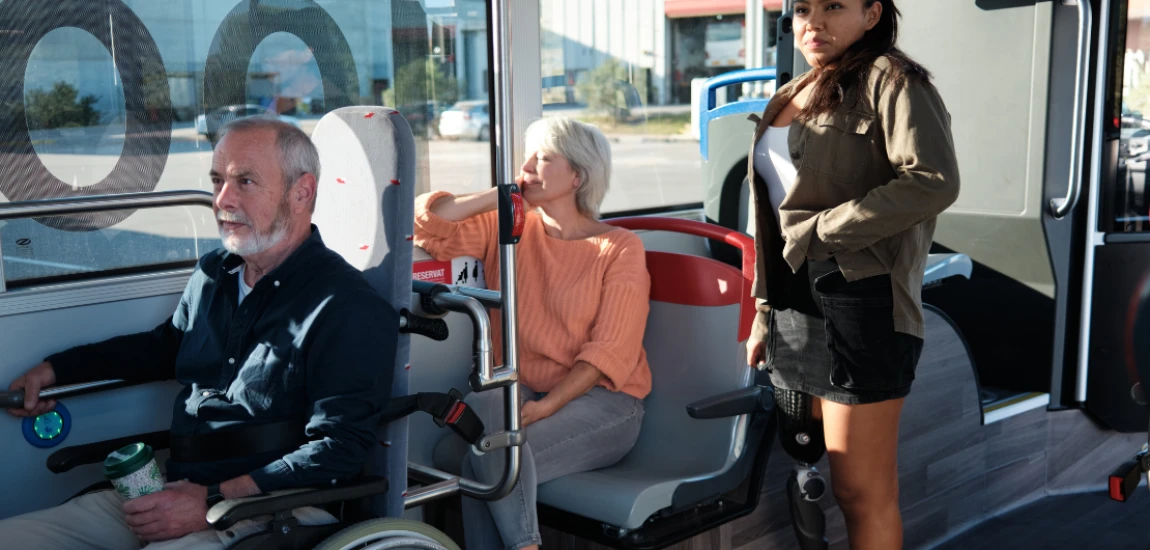
Making Public Transportation Inclusive
Transportation can determine whether a destination is truly accessible.
Buses, trains, trams, ferries, airport services, and other public transportation systems should consider diverse mobility needs.
Accessible boarding areas, priority seating, visual and audio announcements, elevators, ramps, and clear route information can reduce transportation barriers.
Information should also explain accessibility conditions before travelers begin their journey.
Connecting Accessible Transportation With Attractions
Accessibility must continue across the entire destination.
An accessible airport does not solve the problem if visitors cannot find accessible transportation to their hotel.
Destinations should therefore create connected accessibility networks linking airports, railway stations, hotels, attractions, restaurants, public spaces, and major visitor areas.
Accessible pedestrian routes can also connect transportation hubs with tourism facilities.
Supporting Travelers With Different Mobility Needs
Not every traveler has the same mobility requirements.
Some may use wheelchairs, while others may use walking aids or have limited stamina.
Older travelers and families with strollers may also benefit from accessible routes.
Destinations can provide rest areas, seating, clear walking-distance information, and mobility assistance services.
This creates a more comfortable travel environment for a broad range of visitors.


Gary Arndt operates "Everything Everywhere," a blog focusing on worldwide travel. An award-winning photographer, Gary shares stunning visuals alongside his travel tales.
Gary Arndt
Prev Post

Next Post