
Living Heritage Tourism Networks – Connecting Tourism With the Protection and Continuation of Local Culture
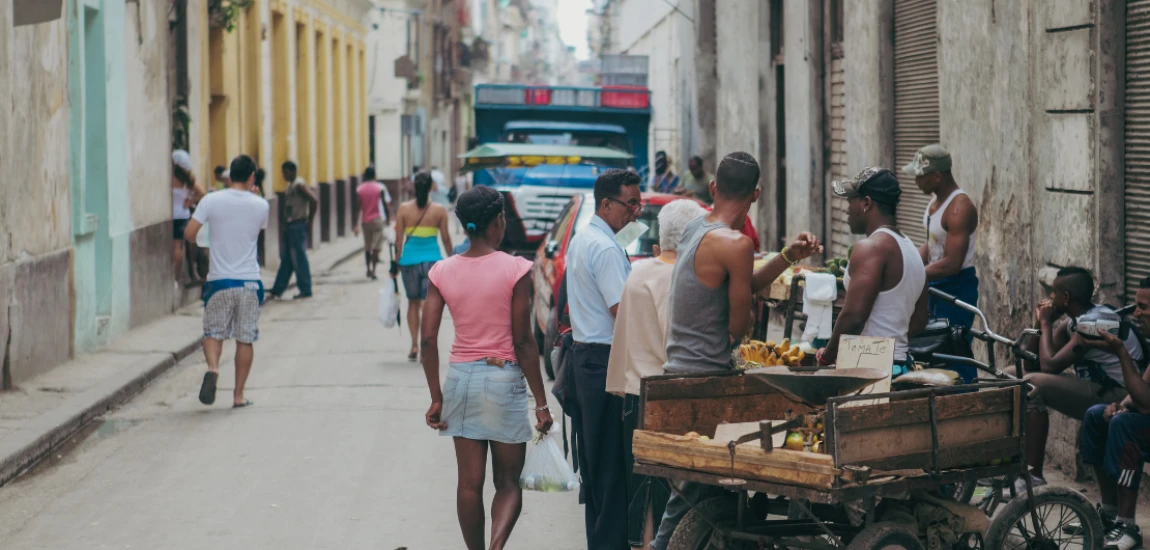
Tourism is often associated with historic buildings, museums, monuments, archaeological sites, and famous cultural attractions. However, culture is not limited to physical places. Many of the most valuable forms of heritage are living traditions practiced by communities every day.
Traditional crafts, local food, music, dance, storytelling, festivals, agricultural practices, religious customs, traditional architecture, languages, and community knowledge can all represent living heritage. These cultural practices continue to evolve as communities respond to social, economic, and environmental changes.
Living Heritage Tourism Networks provide a way to connect tourism with the protection and continuation of these cultural traditions. Instead of treating local culture as a static attraction, living heritage tourism recognizes communities as active participants and custodians of their cultural identity.
A successful living heritage tourism network can connect artisans, local businesses, cultural organizations, tourism operators, residents, destination managers, educators, and visitors. These connections can create opportunities for cultural exchange while ensuring that tourism contributes to heritage preservation rather than weakening cultural authenticity.
The goal is not simply to bring more visitors to cultural destinations. The goal is to create tourism systems in which cultural knowledge remains active, communities receive meaningful benefits, and visitors gain respectful opportunities to understand local ways of life.
As travelers increasingly seek authentic and meaningful experiences, living heritage can become an important foundation for sustainable tourism development. However, this requires careful planning, community participation, responsible visitor management, and long-term investment in cultural continuity.
Understanding Living Heritage Tourism Networks

What Is Living Heritage?
Living heritage refers to cultural traditions, knowledge, skills, practices, expressions, and customs that communities continue to practice and transmit across generations.
Examples include traditional crafts, local cooking methods, folk music, dance, storytelling, festivals, agricultural knowledge, traditional clothing, oral traditions, and community celebrations.
Unlike a historic monument that may remain physically unchanged, living heritage is dynamic. It can adapt while maintaining its cultural meaning.
This makes living heritage especially valuable for tourism because visitors can experience culture as something active rather than simply viewing it as an artifact.
How Tourism Networks Support Cultural Continuity
A tourism network connects different stakeholders around shared cultural and tourism objectives.
For example, an artisan may work with a local tour operator, cultural center, accommodation provider, and destination organization to develop a craft experience.
A traditional food producer may collaborate with restaurants to introduce authentic local dishes while explaining their cultural origins.
These connections create an ecosystem in which cultural knowledge can generate tourism opportunities without being separated from the communities that maintain it.
Moving Beyond Culture as a Tourism Product
One of the most important principles of living heritage tourism is avoiding the treatment of culture as a simple commercial product.
Cultural traditions have social and emotional meanings for communities.
Tourism should therefore support cultural practices rather than forcing them to change solely to satisfy visitor expectations.
A strong living heritage tourism network allows communities to decide what should be shared, how it should be presented, and which aspects of their culture should remain private.
Empowering Local Communities Through Heritage Tourism

Giving Communities a Central Role
Community participation is essential for successful living heritage tourism.
Local residents should not simply appear in tourism marketing while external businesses control most tourism revenue.
Communities should have opportunities to participate in planning, business development, storytelling, cultural programming, and decision-making.
This can create stronger local ownership of tourism development.
Supporting Local Cultural Entrepreneurs
Living heritage tourism can create opportunities for artisans, performers, cooks, guides, farmers, storytellers, designers, and cultural educators.
Tourism networks can help these individuals reach visitors through workshops, demonstrations, guided experiences, cultural events, markets, and community-based tourism programs.
For example, an artisan could provide a hands-on craft workshop instead of simply selling finished products.
This creates additional income while giving visitors a deeper understanding of the cultural process.
Keeping Tourism Benefits Within Communities
Economic benefit distribution is another important consideration.
Local tourism networks can prioritize local suppliers, accommodation providers, guides, transportation businesses, food producers, and cultural organizations.
When tourism spending circulates locally, more of the economic value generated by visitors can remain within the community.
This strengthens the connection between cultural preservation and local economic development.
Protecting Traditional Knowledge, Skills, and Cultural Practices

Preserving Intergenerational Knowledge
Many traditional skills depend on knowledge passed from older generations to younger people.
However, modernization, migration, changing employment patterns, and declining interest among younger generations can threaten cultural continuity.
Tourism can create incentives for younger people to learn traditional skills.
If traditional crafts, food preparation, music, or storytelling become viable sources of income, younger community members may be more interested in continuing these practices.
Creating Cultural Learning Experiences
Tourism experiences can support cultural education.
Visitors might participate in pottery workshops, traditional cooking classes, weaving demonstrations, agricultural activities, music sessions, or storytelling events.
The key is to make these experiences educational rather than superficial.
Visitors should learn why a tradition exists, how it developed, and what meaning it has for the community.
This approach creates greater cultural appreciation.
Documenting Cultural Knowledge Responsibly
Digital documentation can also support heritage preservation.
Communities can record traditional recipes, songs, stories, techniques, languages, crafts, and historical knowledge.
However, cultural documentation should be controlled by the communities themselves.
Not every cultural practice should automatically become publicly available online or be commercialized for tourism.
Respecting cultural ownership and community consent is essential.
Designing Authentic and Responsible Living Heritage Experiences

Creating Meaningful Visitor Experiences
Modern travelers increasingly look for experiences that provide deeper connections with destinations.
Living heritage tourism can respond to this demand through meaningful cultural encounters.
Visitors can meet local practitioners, learn traditional skills, participate in community activities, explore local food traditions, and hear stories directly from residents.
These experiences can be more memorable than passive sightseeing because they involve interaction and learning.
Avoiding Cultural Commodification
One of the major challenges in cultural tourism is commodification.
When cultural practices are changed too heavily for tourist entertainment, they may lose their original meaning.
Tourism planners should avoid creating artificial performances that misrepresent local traditions.
Instead, cultural experiences should be developed collaboratively with communities.
Visitors should understand when a practice has been adapted for tourism and when they are observing an authentic community activity.
Managing Visitor Behavior
Responsible tourism also requires educating visitors.
Tourists should understand appropriate photography practices, dress expectations, religious sensitivities, environmental responsibilities, and community rules.
Clear visitor guidelines can reduce cultural misunderstandings.
Small-group experiences may also be preferable in sensitive cultural settings because they allow greater interaction while reducing disruption.


Gilbert Ott, the man behind "God Save the Points," specializes in travel deals and luxury travel. He provides expert advice on utilizing rewards and finding travel discounts.
Gilbert Ott

Prev Post

Next Post