
Tourism Water Security and Intelligent Resource Allocation Models: Building Water-Resilient Destinations
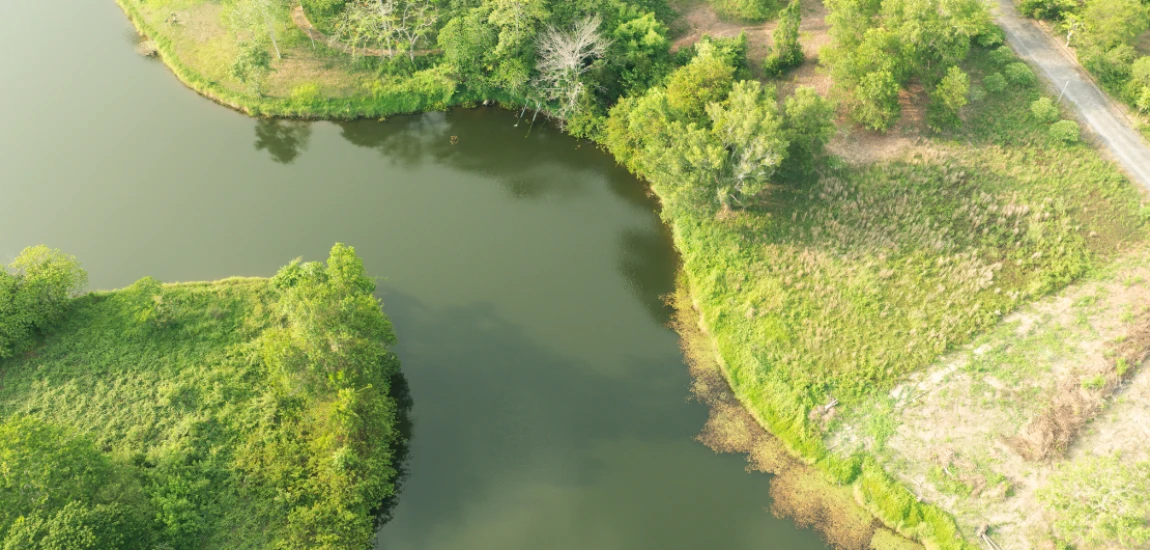
Water is one of the most essential resources for successful tourism destinations. Hotels need reliable supplies for guest rooms, kitchens, laundry, swimming pools, and landscaping. Restaurants, attractions, transport facilities, and recreational businesses also depend on consistent water access. At the same time, local residents, farmers, and natural ecosystems require sufficient supplies to maintain their daily activities and environmental health.
When tourism demand increases, competition for limited water resources can become a serious challenge. Seasonal visitor peaks, droughts, population growth, aging infrastructure, and climate change can place additional pressure on local water systems. Without effective planning, destinations may experience water shortages, higher operating costs, environmental degradation, and tensions between tourism businesses and surrounding communities.
Tourism Water Security and Intelligent Resource Allocation Models offer a practical way to address these challenges. By combining demand forecasting, smart meters, predictive analytics, leak detection, and coordinated water management, destinations can better understand consumption patterns and distribute available supplies responsibly.
These systems aim to balance tourism development with community needs and environmental protection. Rather than responding only after shortages occur, destinations can identify emerging risks, reduce unnecessary consumption, and prepare for changing conditions.
Understanding Tourism Water Security and Intelligent Resource Allocation

Why Water Security Matters for Tourism
Tourism water security means ensuring that destinations have reliable access to sufficient, safe water without undermining the needs of residents, businesses, and ecosystems. Water availability directly influences the quality of accommodation, sanitation, food services, recreational facilities, and public spaces.
A hotel experiencing water interruptions may struggle to maintain hygiene standards and guest satisfaction. Attractions with extensive landscaping or water-based activities may face higher operating costs during dry periods. Local communities can also experience serious difficulties if tourism demand places excessive pressure on shared supplies.
Water security is therefore both an environmental priority and a business continuity concern. Destinations that manage water responsibly can reduce operational uncertainty, protect their reputation, and prepare for future demand.
Understanding Intelligent Resource Allocation Models
Intelligent resource allocation models use data, forecasting methods, and operational rules to guide decisions about how water should be monitored, conserved, and distributed.
These models may combine historical consumption, weather conditions, occupancy rates, population patterns, reservoir levels, and water system capacity. The resulting information helps managers estimate future demand and identify periods when supplies may become insufficient.
For example, a coastal destination expecting high hotel occupancy during a dry summer can forecast additional water requirements in advance. Authorities and businesses can then introduce conservation measures, improve storage management, or adjust nonessential water use.
Importantly, intelligent allocation should not simply direct water toward the highest-paying users. It must operate within fair policies that protect essential household needs, public health, and environmental requirements.
Building a Balanced Water Management Framework
Effective water security requires cooperation among tourism operators, municipal authorities, water utilities, environmental organizations, and local communities.
Each participant has different responsibilities. Hotels can monitor their consumption, utilities can maintain distribution networks, and local governments can establish conservation standards. Environmental experts can help identify the water requirements of rivers, wetlands, and other ecosystems.
A shared framework should define priorities, establish transparent allocation rules, and explain how decisions will be made during shortages. It should also include clear procedures for emergency restrictions and public communication.
When these responsibilities are coordinated, intelligent resource allocation becomes a foundation for more resilient and responsible tourism development.
Forecasting Water Demand With Data and Predictive Analytics

Analyzing Tourism Seasons and Visitor Patterns
Water demand in tourism destinations often changes according to season, visitor numbers, weather, and local events. A resort may experience its highest consumption during summer holidays, while a mountain destination may face peak demand during a winter tourism season.
Predictive models can analyze historical water use alongside hotel occupancy, visitor arrivals, event schedules, and local population trends. This information helps managers estimate how much water different areas may require at particular times.
For example, a destination preparing for a major festival can estimate additional demand from accommodation, restaurants, public toilets, and temporary facilities. Early forecasting allows authorities to plan maintenance, prepare contingency supplies, and encourage businesses to conserve water before pressure increases.
Forecasts should be updated regularly because visitor behavior, weather, and operating conditions can change unexpectedly.
Incorporating Weather and Climate Information
Weather conditions have a major influence on water consumption. High temperatures may increase showering, laundry, cooling requirements, pool maintenance, and landscape irrigation. Extended dry periods can also reduce the availability of surface water and groundwater.
Intelligent forecasting systems can combine weather forecasts with drought indicators, rainfall records, reservoir levels, and seasonal climate patterns. This helps destinations identify periods when demand may rise while supplies become less reliable.
Long-term climate scenarios are equally important. Destinations exposed to heatwaves, irregular rainfall, or declining groundwater availability should evaluate whether existing infrastructure can support future tourism growth.
Forecasts are not guarantees, but they provide valuable early warnings that support better planning and reduce dependence on emergency responses.
Translating Forecasts Into Practical Decisions
Forecasting creates value when its findings influence real decisions. Tourism authorities can use demand projections to schedule infrastructure maintenance, improve storage capacity, and establish temporary conservation measures.
Hotels can prepare for high-demand periods by inspecting plumbing, adjusting irrigation schedules, and reviewing laundry practices. Attractions can identify water-intensive activities that may need more efficient operating procedures.
Forecasting systems should also communicate uncertainty. Instead of presenting one estimate as certain, managers can evaluate multiple scenarios, such as normal rainfall, unusually dry weather, or higher-than-expected visitor arrivals.
Scenario planning helps destinations prepare flexible responses and avoid making expensive decisions based on a single prediction.
Detecting Water Waste and Improving Consumption Efficiency

Using Smart Meters and Digital Monitoring
Smart meters can provide detailed information about water consumption across hotels, attractions, public facilities, and distribution networks. Depending on the system, readings may be available frequently enough to identify unusual consumption patterns and possible leaks.
Digital dashboards can help facility managers compare current use with historical records, occupancy levels, and operational targets. A sudden increase in overnight consumption at a hotel, for example, may indicate a leaking pipe or faulty equipment.
Submeters can provide additional insight into individual departments, such as kitchens, laundry facilities, swimming pools, and irrigation systems. This makes it easier to identify where conservation efforts will have the greatest effect.
Monitoring should be supported by regular maintenance and trained staff. Data alone cannot repair a leaking pipe, but timely alerts can help responsible teams investigate problems before significant amounts of water are lost.
Identifying Inefficient Water Practices
Water waste often occurs through small operational problems that become expensive over time. Leaking taps, inefficient toilets, excessive laundry cycles, poorly maintained cooling systems, and unnecessary landscape irrigation can all increase consumption.
Hotels can install low-flow fixtures, use efficient laundry equipment, and offer guests appropriate linen-reuse options. Restaurants can improve cleaning procedures and install water-efficient kitchen equipment. Attractions can adjust irrigation based on soil moisture and weather conditions.
Water-intensive features, including decorative fountains and large swimming pools, should be evaluated according to their water requirements, operational value, and local environmental conditions.
Conservation measures should maintain essential hygiene and guest comfort. The objective is to eliminate unnecessary consumption rather than compromise health, safety, or service quality.
Establishing Water Performance Benchmarks
Destinations need meaningful indicators to evaluate efficiency. Total water consumption is useful, but it may not reveal whether a facility is improving because larger hotels naturally use more water than smaller properties.
Businesses can also monitor water consumption per guest-night, per meal served, or per unit of attraction activity. These indicators help managers compare performance over time while accounting for differences in operations.
Comparisons should consider climate, facility type, occupancy, and service standards. An outdoor attraction in a hot, dry region may have different requirements from a small urban museum.
Regular performance reviews allow businesses to set realistic reduction targets, identify successful practices, and prioritize investments in water-saving technology.


Ben Schlappig runs "One Mile at a Time," focusing on aviation and frequent flying. He offers insights on maximizing travel points, airline reviews, and industry news.
Ben Schlappig

Prev Post

Next Post