
Immersive Heritage Tourism and Digital Cultural Storytelling Networks: Preserving History Through Technology
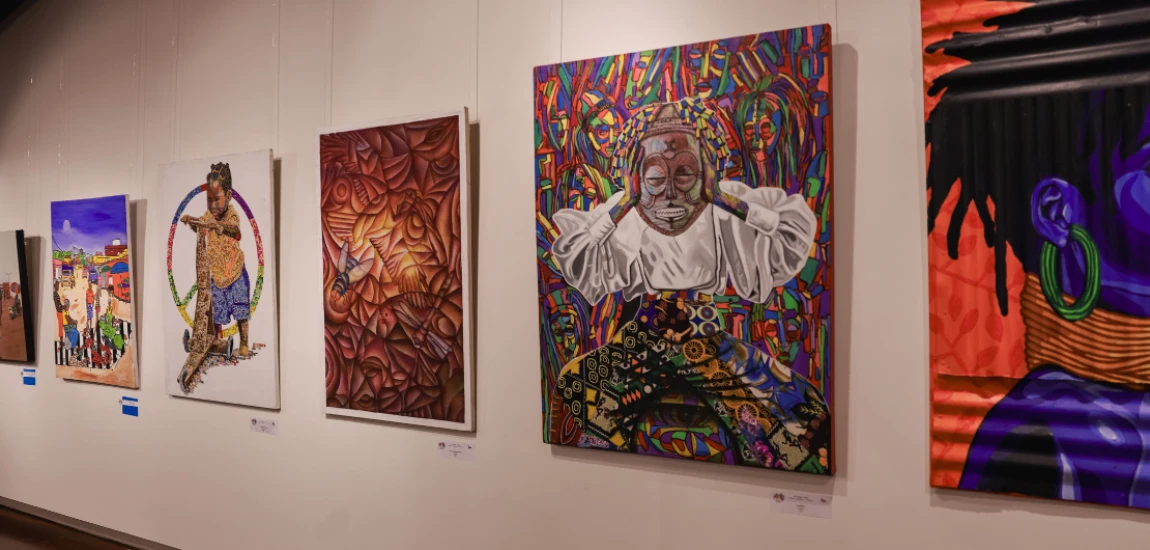
Cultural heritage connects people with the history, traditions, architecture, beliefs, and experiences that shape communities. Historic buildings, archaeological sites, traditional crafts, oral histories, and local festivals help travelers understand the identity of a destination. However, traditional heritage tourism can sometimes struggle to communicate the deeper meaning behind historic places, particularly when visitors have limited access to knowledgeable guides or historical information.
Immersive heritage tourism offers a new approach by combining digital storytelling, augmented reality, interactive media, and community knowledge to create engaging cultural experiences. Instead of simply observing an old building or viewing an artifact, visitors can discover its history through digital reconstructions, recorded personal stories, interactive maps, and multimedia presentations.
Digital cultural storytelling networks connect museums, heritage organizations, historians, artists, tourism businesses, and local residents. These partnerships can make cultural knowledge more accessible while supporting preservation and responsible tourism development.
Technology, however, should not replace authentic cultural experiences. Its greatest value comes from helping visitors understand the stories, people, and traditions associated with a place. When communities participate in designing these experiences, immersive heritage tourism can strengthen cultural identity, create economic opportunities, and encourage greater respect for historic environments.
Understanding Immersive Heritage Tourism and Digital Cultural Storytelling

Transforming Historic Places Into Interactive Experiences
Immersive heritage tourism uses digital tools to help visitors explore cultural destinations in more meaningful ways. Traditional sightseeing often provides limited information through signs, brochures, or short guided explanations. Interactive storytelling can expand that experience by presenting historical events, architectural details, and personal memories in accessible formats.
For example, visitors exploring an ancient settlement could use a mobile application to view a digital reconstruction of buildings that no longer exist. At a historic marketplace, an audio story might explain how merchants traded goods, how families earned their livelihoods, and how the area changed over generations.
These experiences connect physical locations with historical context. Travelers can understand not only what they are seeing but also why it matters.
Combining Different Forms of Digital Storytelling
Digital cultural storytelling can include audio guides, documentary videos, interactive timelines, historical photographs, virtual exhibitions, digital maps, and augmented reality experiences. Each format offers different advantages.
Audio storytelling can preserve the voices and memories of community elders. Interactive maps can show how a neighborhood developed over time. Short videos can demonstrate traditional crafts, while digital timelines can explain major cultural changes.
A successful experience does not need every available technology. The most appropriate format depends on the destination, the available historical evidence, the intended audience, and the community's preferences.
Building Connected Cultural Storytelling Networks
Digital cultural storytelling networks connect the people and organizations responsible for preserving and interpreting heritage. Museums may contribute verified historical records, universities may support research, and local residents may share oral histories and traditional knowledge.
Tourism operators can then use these resources to create guided tours, educational programs, and interactive visitor experiences. Shared digital collections can also help smaller heritage sites gain visibility.
For these networks to succeed, participants need clear agreements about historical accuracy, ownership, cultural permissions, and information updates. A coordinated approach helps ensure that digital storytelling remains trustworthy, inclusive, and beneficial to the communities whose heritage it represents.
Using Augmented Reality to Bring Cultural History to Life

Reconstructing Historic Buildings and Landscapes
Augmented reality (AR) adds digital information to the user's view of the real world through a smartphone, tablet, or compatible headset. In heritage tourism, AR can help visitors understand how historic places may have looked before changes caused by time, conflict, development, or natural deterioration.
At an archaeological site, a visitor might point a device toward a foundation and see a proposed reconstruction of the original structure. At a historic fort, an AR experience could illustrate former defensive features or explain the function of different rooms.
These reconstructions should be based on reliable historical evidence and clearly distinguish documented facts from scholarly interpretations. Presenting uncertain details as established history can mislead visitors and weaken trust.
Creating Location-Based Cultural Narratives
AR can connect storytelling directly to specific locations. When visitors approach a monument, traditional building, or archaeological feature, a digital experience can present relevant information, illustrations, animations, or recorded interviews.
For example, a walking tour through a historic district might reveal stories about local architecture, traditional businesses, significant community events, and changes in urban life. Visitors can explore at their own pace while receiving information connected to the places around them.
Location-based storytelling can also encourage visitors to explore lesser-known landmarks instead of concentrating entirely on famous attractions. This may create opportunities for smaller cultural institutions and neighborhood businesses.
Keeping Immersive Technology Accessible
Although AR offers exciting possibilities, not every visitor owns a compatible device or has reliable mobile internet. Some travelers may also experience discomfort when using immersive technology.
Destinations should therefore provide alternatives such as printed guides, conventional audio tours, physical interpretation panels, and staff-assisted experiences. Applications should use simple navigation and offer adjustable text, subtitles, and audio descriptions where appropriate.
Digital reconstructions must also be designed carefully to avoid damaging the physical heritage experience. Visitors should remain aware of their surroundings, follow site rules, and avoid touching fragile objects or entering restricted areas.
The objective is to make heritage easier to understand without compromising preservation, safety, or accessibility.
Preserving Local History Through Community Knowledge

Recording Oral Histories and Personal Memories
Official historical records rarely capture every aspect of community life. Personal memories, family stories, traditional songs, and everyday experiences often provide valuable insights into how people lived and understood their surroundings.
Digital storytelling projects can record interviews with community elders, craftspeople, cultural practitioners, and residents who have witnessed significant changes. These recordings may preserve local expressions, traditional techniques, and memories that might otherwise disappear.
For example, a digital heritage project could document the history of a traditional market through interviews with longtime shopkeepers. Their stories might explain changing business practices, family traditions, neighborhood relationships, and the cultural importance of the marketplace.
Researchers should verify historical claims where possible and explain when a story represents an individual's recollection rather than a confirmed historical fact.
Giving Communities Control Over Their Stories
Community participation must go beyond asking residents to provide photographs or interviews. People should have meaningful opportunities to decide how their cultural knowledge is presented, interpreted, and shared.
Some traditions may be appropriate for public educational use, while others may be sacred, private, or intended only for specific community members. Digital projects should respect these distinctions and obtain informed permission before publishing sensitive material.
Communities should also be able to review content, request corrections, and establish appropriate conditions for reuse. Contributors should receive recognition, and projects should consider fair compensation when community members provide substantial expertise or creative work.
This approach helps prevent cultural misrepresentation and supports a more ethical model of heritage tourism.
Connecting Younger Generations With Cultural Traditions
Digital storytelling can help younger people discover the significance of local traditions and historic places. Interactive family-history projects, educational games, digital archives, and recorded craft demonstrations can make cultural knowledge easier to explore.
Schools and cultural organizations can collaborate on projects in which students interview elders, document neighborhood landmarks, or create digital exhibits about traditional practices. These activities build research and digital skills while encouraging intergenerational learning.
The goal should not be to turn every cultural practice into an online attraction. Instead, technology should support living traditions, face-to-face relationships, and opportunities for younger generations to learn directly from knowledgeable community members.


Kate McCulley, the voice behind "Adventurous Kate," provides travel advice tailored for women. Her blog encourages safe and adventurous travel for female readers.
Kate McCulley
Prev Post

Next Post