
Tourism Recovery Architecture – How Destinations Could Be Designed to Help Communities Recover After Natural Disasters
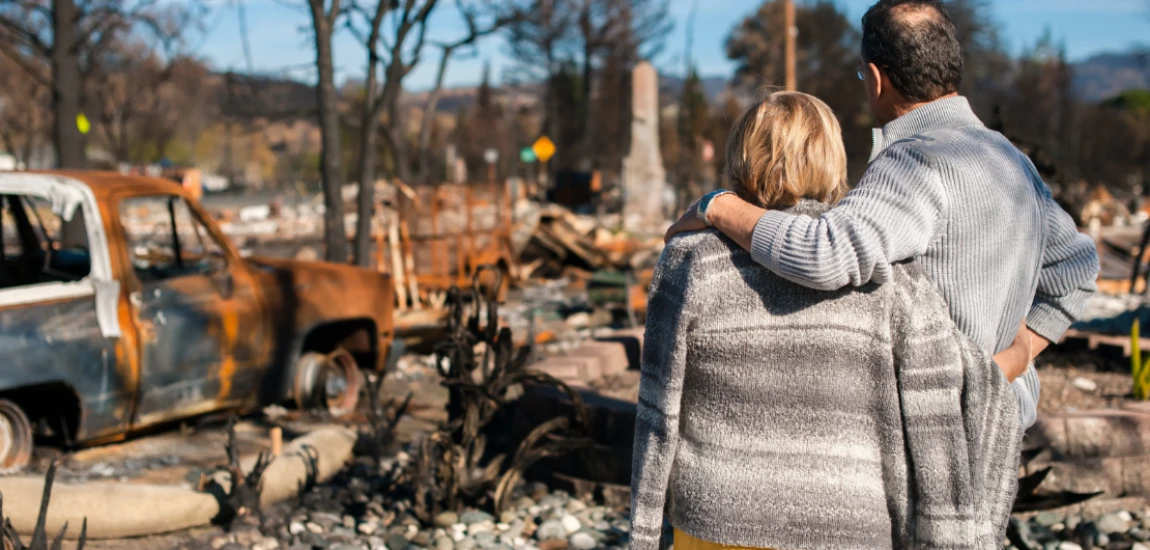
Natural disasters can transform tourism destinations within hours. Earthquakes, floods, hurricanes, wildfires, landslides, volcanic eruptions, and extreme storms can damage hotels, roads, airports, restaurants, cultural sites, public spaces, and essential infrastructure. Beyond physical destruction, disasters can disrupt employment, reduce visitor numbers, interrupt supply chains, and create long-term economic uncertainty for communities that depend heavily on tourism.
Traditional tourism recovery often focuses on rebuilding what was damaged. However, simply reconstructing the same infrastructure may leave destinations vulnerable to future disasters. A more forward-looking approach is Tourism Recovery Architecture, a concept that connects tourism planning, disaster recovery, resilient infrastructure, community development, environmental restoration, and economic resilience.
Tourism Recovery Architecture means designing destinations so that tourism infrastructure can contribute to recovery while also becoming better prepared for future disruptions. Hotels, visitor centers, transportation networks, public spaces, cultural attractions, restaurants, and tourism businesses can be designed or rebuilt with resilience in mind.
The objective is not to prioritize tourists over residents. Instead, tourism recovery should support the people who live in affected destinations. When local businesses reopen, workers regain employment, cultural heritage is protected, and public infrastructure becomes stronger, tourism can become part of a broader community recovery strategy.
Future destinations may therefore need to think about disaster resilience before disasters occur. Architecture, infrastructure, tourism policy, and community planning can work together to create places capable of recovering faster and adapting more effectively to changing environmental conditions.
Understanding Tourism Recovery Architecture

What Is Tourism Recovery Architecture?
Tourism Recovery Architecture refers to the planning and design of tourism destinations, buildings, infrastructure, and visitor systems in ways that support recovery after natural disasters while improving long-term resilience.
It goes beyond constructing attractive hotels or visitor facilities. It considers what happens when a destination experiences a major disruption.
Can transportation networks continue operating? Can hotels provide temporary support? Can local businesses reopen quickly? Can public spaces serve multiple purposes? Can cultural sites be protected? Can energy and water systems continue functioning?
These questions can influence destination design long before a disaster occurs.
From Rebuilding to Resilience
Conventional recovery can focus on restoring a destination to its previous condition. While rebuilding is essential, returning to the exact same design may reproduce existing weaknesses.
Tourism recovery architecture encourages a different mindset: build back better.
A damaged hotel could be rebuilt with stronger materials, improved drainage, renewable-energy systems, emergency power, water-storage capacity, and flexible spaces. A destroyed public square could be redesigned to provide drainage, shade, emergency gathering space, and community facilities.
Recovery can therefore become an opportunity for improvement rather than simply replacement.
Designing for People First
Tourism recovery should place local communities at the center. Residents often experience the greatest consequences of natural disasters and should have a meaningful role in decisions about reconstruction.
Community consultations can identify the infrastructure residents need most, the cultural assets they want protected, and the tourism activities they believe can support economic recovery.
A resilient tourism destination should ultimately be a resilient place to live.
Designing Resilient Tourism Infrastructure

Disaster-Resistant Buildings
Hotels, restaurants, resorts, museums, and visitor centers can be designed to withstand local environmental risks.
Depending on the destination, this may involve earthquake-resistant structures, flood-resistant construction, fire-resistant materials, elevated buildings, reinforced roofs, improved drainage, or stronger foundations.
Resilient architecture does not have to sacrifice aesthetics. Modern design can combine safety with local architectural identity, creating buildings that are both attractive and better prepared for extreme events.
Flexible and Multi-Purpose Spaces
Tourism facilities can also be designed for multiple uses. Convention centers, resorts, community halls, and visitor centers could potentially serve as emergency coordination spaces or temporary shelters when appropriate.
Public plazas and open spaces can be designed to function normally as gathering places while also supporting emergency evacuation and relief operations.
This flexibility increases the value of tourism infrastructure because it can serve residents during ordinary periods and support communities during crises.
Resilient Transportation Systems
Transportation is essential to tourism recovery. If roads, bridges, airports, railway stations, or ports remain unusable after a disaster, visitors cannot return easily and local businesses may struggle to receive supplies.
Future tourism destinations could invest in diversified transportation networks that include multiple routes and transportation options.
Redundancy is important because the failure of one route should not isolate an entire community. Improved drainage, elevated infrastructure, stronger bridges, emergency access routes, and alternative transportation connections can strengthen destination resilience.
Supporting Local Economic Recovery Through Tourism

Reopening Small Businesses
Natural disasters can be especially damaging to small tourism businesses. Family-owned restaurants, guesthouses, tour operators, craft shops, markets, and local transportation providers may have limited financial reserves.
Tourism recovery strategies can help these businesses reopen by improving access to financing, temporary workspaces, infrastructure, marketing support, and reconstruction assistance.
When small businesses recover, tourism revenue begins circulating through the community again.
Creating Local Employment
Reconstruction itself can create employment opportunities. Local construction workers, architects, engineers, artisans, maintenance professionals, food producers, guides, and hospitality workers can participate in recovery projects.
Where possible, destination recovery programs can prioritize local employment and local procurement.
This allows reconstruction spending to generate wider economic benefits rather than sending most recovery funds outside the affected area.
Diversifying the Tourism Economy
A disaster can reveal the risks of relying too heavily on one tourism product. A coastal destination dependent entirely on beach tourism, for example, may face significant economic vulnerability after a severe storm.
Recovery planning provides an opportunity to diversify tourism.
Destinations could develop cultural tourism, nature tourism, wellness tourism, culinary experiences, heritage tourism, rural tourism, educational travel, or creative industries.
A diversified tourism economy can provide alternative sources of income when one sector is temporarily disrupted.
Protecting Culture and Heritage During Recovery

Safeguarding Cultural Heritage
Natural disasters can destroy historic buildings, monuments, museums, archives, religious sites, traditional neighborhoods, and other cultural resources.
Tourism Recovery Architecture should therefore include cultural heritage protection as part of disaster planning.
Digital documentation, structural assessments, emergency conservation plans, protective infrastructure, and trained local teams can improve the chances of preserving important heritage assets.
Protecting heritage is not only about preserving the past. Cultural attractions can also become important sources of future tourism income.
Preserving Local Identity
Reconstruction can sometimes unintentionally replace traditional architecture with generic buildings that could exist anywhere.
A resilient destination should consider local identity during reconstruction. Traditional materials, architectural patterns, crafts, colors, public spaces, and cultural design elements can be incorporated where practical.
This helps communities retain their sense of place after a disaster.
Involving Local Artisans
Local craftspeople can play an important role in rebuilding cultural environments. Traditional carpenters, stoneworkers, textile producers, ceramic artists, and other artisans may possess knowledge that contributes to authentic reconstruction.
Supporting these professionals can create employment while preserving traditional skills.
Tourism can then help maintain cultural knowledge rather than replacing it.


Kate McCulley, the voice behind "Adventurous Kate," provides travel advice tailored for women. Her blog encourages safe and adventurous travel for female readers.
Kate McCulley
Prev Post

Next Post