
Sensory-Friendly Travel – How Destinations Can Reduce Noise, Crowds, and Overstimulation for More Comfortable Journeys
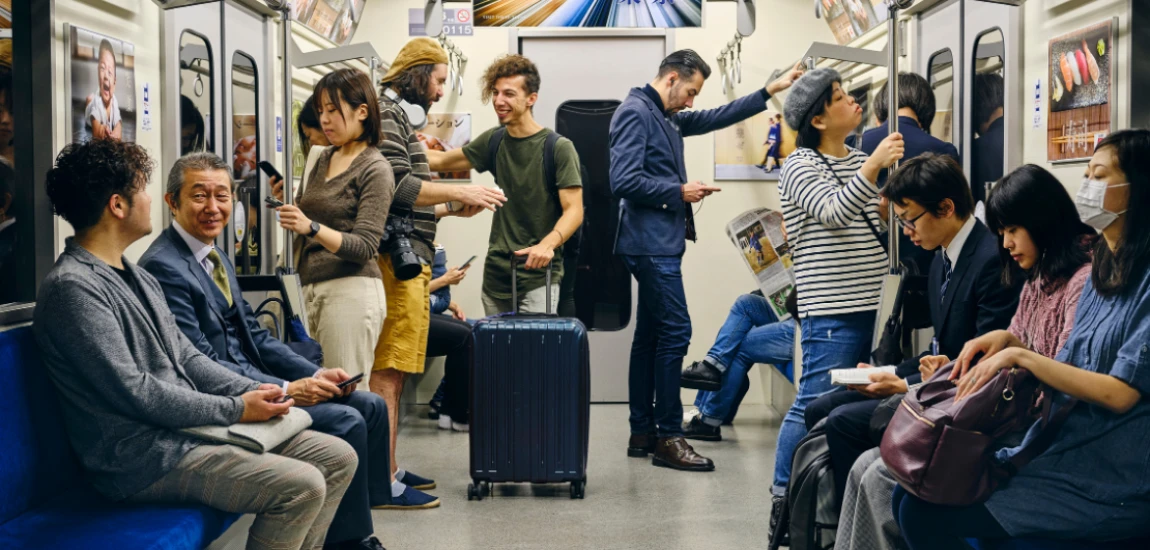
Travel can be exciting, inspiring, and unforgettable, but busy airports, crowded attractions, loud transportation, bright lights, unpredictable schedules, and constant activity can also make journeys overwhelming. For some travelers, sensory stimulation can have a significant impact on comfort and enjoyment. This has created growing interest in sensory-friendly travel, an approach that encourages destinations, hotels, airports, attractions, and tourism businesses to design calmer and more predictable environments.
Sensory-friendly tourism does not mean making destinations completely silent or removing the energy that makes travel interesting. Instead, it means providing choices. Travelers can benefit from quieter spaces, lower-stimulation experiences, clear information, flexible schedules, reduced waiting times, and environments where they can take a break when needed.
This approach can improve the travel experience for many different visitors, including people who are sensitive to noise, light, crowds, or unpredictable environments. Families traveling with children, older travelers, people seeking relaxation, and anyone who simply prefers peaceful experiences can also benefit.
As tourism becomes more focused on personalization and human-centered design, sensory-friendly travel offers destinations an opportunity to move beyond one-size-fits-all tourism. By understanding how different environments affect travelers, destinations can create journeys that are more comfortable, inclusive, accessible, and enjoyable.
Understanding Sensory-Friendly Travel

What sensory-friendly tourism means
Sensory-friendly travel focuses on reducing unnecessary sensory stimulation and giving travelers greater control over their environment. Sensory experiences can include sound, light, movement, crowds, smells, textures, temperature, and visual activity.
A destination does not have to eliminate these elements. Instead, it can provide different environments and choices. A busy attraction might offer a quiet room. An airport could provide a low-stimulation waiting area. A hotel could identify rooms away from elevators and busy public spaces.
These relatively simple changes can make tourism environments more comfortable.
Why calmer travel environments matter
Traditional tourism often emphasizes excitement, activity, entertainment, and crowded attractions. While these experiences appeal to many travelers, they are not suitable for everyone.
A highly stimulating environment can make it difficult to relax, concentrate, communicate, or enjoy an attraction.
Sensory-friendly design recognizes that comfort is part of the overall guest experience.
Creating choice rather than restriction
The goal is not to tell travelers how they should experience a destination. Instead, tourism providers can offer choices.
Visitors might select a quiet tour instead of a large group excursion, visit an attraction during a less crowded period, or use a designated quiet space when they need a break.
Choice gives travelers greater control and can make tourism more inclusive.
Reducing Noise and Creating Quieter Tourism Spaces

Managing unnecessary noise
Noise is one of the most common sources of sensory stimulation in travel environments. Airports, train stations, hotel lobbies, restaurants, entertainment venues, and busy streets can contain continuous background noise.
Destinations can reduce unnecessary noise through thoughtful design.
Hotels can use sound-insulating materials, quieter equipment, soft-close doors, and room-location choices. Attractions can create quiet areas away from speakers, crowds, and high-traffic zones.
Even small improvements can contribute to a calmer atmosphere.
Designing quiet zones
Quiet zones can provide travelers with a place to pause without leaving an attraction completely.
Museums, airports, visitor centers, theme parks, and hotels could create designated low-noise rooms with comfortable seating and limited visual stimulation.
Clear signs can explain the purpose of these areas without making visitors feel uncomfortable.
Offering quieter activities
Tour operators can develop small-group or individual experiences designed around slower exploration.
Instead of a large, crowded excursion with continuous commentary and background music, travelers could choose a quiet walking tour, early-morning nature experience, private museum visit, or peaceful cultural activity.
This creates more options for visitors who prefer lower levels of stimulation.
Managing Crowds and Overstimulation

Why crowds can affect travel comfort
Crowds create more than physical congestion. Large groups can increase noise, movement, waiting times, visual activity, and uncertainty.
A destination can therefore improve sensory comfort by managing visitor flows.
Timed entry systems, smaller tour groups, alternative routes, and off-peak experiences can help distribute visitors throughout a destination.
Promoting off-peak travel
One of the simplest strategies is encouraging travelers to visit popular attractions during quieter periods.
Tourism websites and travel platforms can provide information about expected crowd patterns and recommend less busy times.
Early mornings, late afternoons, weekdays, and shoulder seasons can sometimes provide calmer experiences.
This benefits both travelers and destinations by reducing pressure on popular sites.
Creating alternative attractions
Destinations can also reduce overcrowding by promoting lesser-known attractions.
Instead of sending every visitor to the same famous landmark, tourism organizations can highlight local neighborhoods, small museums, parks, cultural workshops, nature trails, and independent businesses.
This distributes visitors while creating more diverse travel experiences.
Using Lighting, Layout, and Design for Comfort

Softer and adjustable lighting
Bright or rapidly changing lighting can be uncomfortable for some travelers.
Hotels, restaurants, museums, and public spaces can use adjustable lighting systems that allow different levels of brightness depending on the environment.
Natural daylight can also be incorporated into building design where appropriate.
The objective is to create spaces that feel visually comfortable without compromising safety.
Simplifying visual environments
Some tourism environments contain large amounts of advertising, signage, decoration, digital displays, and moving images.
A more thoughtful visual design can reduce unnecessary stimulation.
Clear signage, organized layouts, consistent information, and uncluttered spaces can make navigation easier.
This can benefit all travelers, particularly those who become overwhelmed by visually complex environments.
Creating predictable layouts
Predictability can make unfamiliar destinations easier to navigate.
Hotels and attractions can provide maps, photographs, floor plans, and clear descriptions before visitors arrive.
Travelers can then understand what to expect.
Providing information about entrances, exits, rest areas, queues, noise levels, lighting, and available facilities can make the experience more manageable.


Ben Schlappig runs "One Mile at a Time," focusing on aviation and frequent flying. He offers insights on maximizing travel points, airline reviews, and industry news.
Ben Schlappig

Prev Post

Next Post