
Tourism Impact Measurement – Tracking Tourism’s Environmental and Social Effects
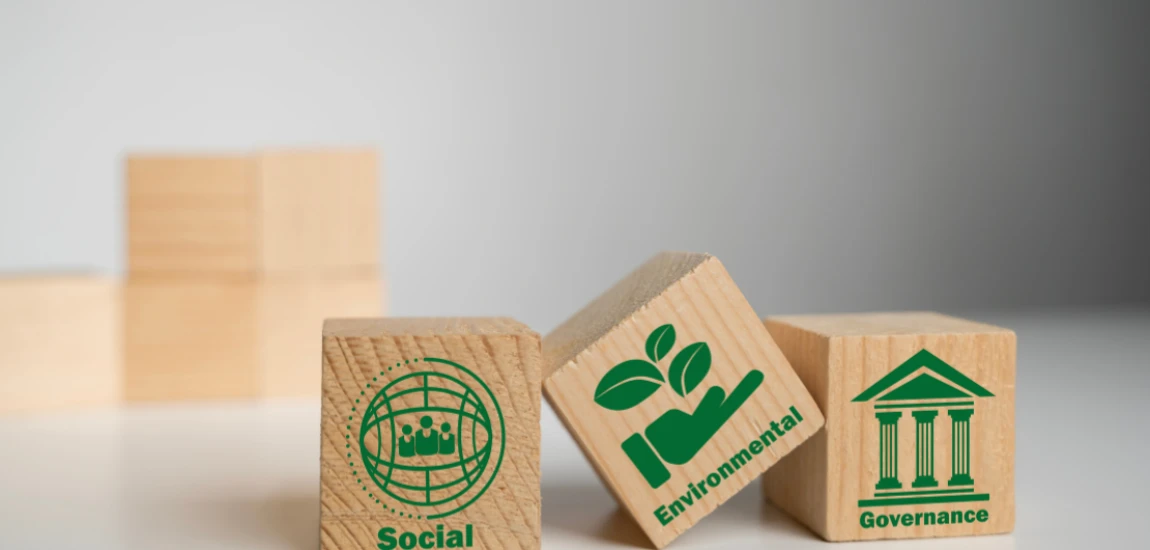
Tourism can generate employment, support businesses, preserve cultural heritage, and contribute significantly to local economies. However, tourism also creates environmental and social pressures that can become difficult to manage when visitor numbers grow rapidly. Increased waste, water consumption, energy use, carbon emissions, habitat disturbance, congestion, cultural commodification, housing pressure, and changes in community life are some of the effects that destinations may experience.
For this reason, simply measuring tourist arrivals or tourism revenue is no longer enough. Destinations need to understand the broader consequences of tourism development. This is where Tourism Impact Measurement becomes essential.
Tourism impact measurement is the systematic process of identifying, collecting, analyzing, and reporting information about tourism's environmental, social, economic, and cultural effects. It helps destination managers understand whether tourism is creating sustainable benefits or generating pressures that could damage long-term destination well-being.
Effective measurement allows tourism organizations to move from assumptions to evidence. Instead of simply claiming that tourism is sustainable, destinations can track indicators such as water consumption per visitor, waste generation, carbon emissions, local employment, resident satisfaction, biodiversity conditions, tourism revenue retention, and cultural preservation.
The value of impact measurement goes beyond reporting. Data can guide tourism policies, infrastructure investments, visitor management strategies, conservation programs, and community development initiatives.
As destinations face climate change, overtourism, resource shortages, and growing expectations for responsible travel, tourism impact measurement is becoming a critical component of sustainable tourism management. By measuring what tourism changes, destinations can identify problems earlier, improve decision-making, and create tourism systems that provide lasting benefits for both visitors and host communities.
Understanding Tourism Impact Measurement

Tourism Impact Measurement provides a structured way to understand the consequences of tourism activity. It looks beyond visitor numbers and financial performance to examine how tourism affects the places and people involved.
Moving Beyond Tourist Arrivals
Visitor arrivals are one of the most commonly used tourism indicators. They provide useful information about demand, but they do not explain whether tourism growth is beneficial or harmful.
A destination could experience millions of visitors while simultaneously facing declining environmental quality, increasing housing costs, traffic congestion, and resident dissatisfaction.
For example, an increase in visitors may generate more revenue for hotels and restaurants but also increase water consumption, waste generation, and pressure on public transportation.
Impact measurement creates a broader picture by examining multiple dimensions simultaneously.
Measuring Multiple Dimensions of Tourism
Tourism impact can generally be divided into environmental, social, economic, and cultural categories.
Environmental indicators can include carbon emissions, water consumption, waste generation, biodiversity conditions, land use, air quality, and ecosystem health.
Social indicators may include resident satisfaction, employment quality, housing pressure, public-space access, community participation, and quality of life.
Economic indicators can measure local employment, tourism revenue, business growth, visitor spending, and economic leakage.
Cultural indicators can examine heritage preservation, local cultural participation, traditional knowledge, and the effects of tourism on community identity.
Together, these measurements provide a much more complete understanding of destination performance.
Turning Measurement Into Better Decisions
Collecting data is only useful when it supports action. Destination managers can use impact information to identify areas where tourism is creating excessive pressure.
If water consumption rises significantly during peak tourism periods, authorities can introduce water-efficiency measures. If resident satisfaction falls in heavily visited neighborhoods, visitor distribution strategies may be required.
This creates a continuous cycle of measurement, analysis, action, and improvement.
Tourism Impact Measurement therefore becomes a management tool rather than simply a reporting exercise.
Measuring Tourism’s Environmental Effects

Environmental measurement is one of the most important elements of sustainable tourism. Tourism depends heavily on healthy ecosystems, clean water, attractive landscapes, biodiversity, and stable climate conditions.
Measuring Resource Consumption
Hotels, restaurants, attractions, transportation systems, and other tourism businesses consume significant quantities of water and energy.
Destinations can measure resource consumption per visitor, per overnight stay, or per tourism business.
For example, measuring water use per hotel guest can reveal whether tourism businesses are becoming more efficient over time. Energy consumption can be analyzed alongside occupancy rates to identify inefficient operations.
These measurements help destinations establish realistic resource-efficiency targets.
Tracking Waste and Pollution
Tourism can generate substantial amounts of solid waste, wastewater, packaging, and other forms of pollution.
Destinations can monitor waste generation across major tourism areas and compare waste volumes with visitor numbers.
If a particular tourism district produces unusually high waste levels, managers can investigate the reasons and introduce targeted solutions.
Waste measurement can also evaluate recycling rates, composting, wastewater treatment, and reductions in single-use materials.
The goal is to understand not just how much waste tourism creates but how effectively that waste is prevented, recovered, or managed.
Monitoring Biodiversity and Ecosystems
Natural environments are often major tourism attractions. Forests, beaches, coral reefs, wetlands, mountains, and wildlife habitats can attract visitors but may also become vulnerable to excessive tourism pressure.
Environmental impact measurement can track indicators such as wildlife populations, habitat condition, vegetation health, erosion, water quality, and visitor pressure.
Protected areas can use these measurements to determine whether tourism activity remains within acceptable ecological limits.
When environmental conditions begin to deteriorate, visitor numbers, routes, operating seasons, or tourism activities can be adjusted.
This helps ensure that tourism does not undermine the natural assets on which future tourism depends.
Tracking Tourism’s Social and Community Effects

Tourism affects people as much as it affects natural environments. A destination cannot be considered truly sustainable if tourism creates economic benefits while reducing the quality of life of local residents.
Measuring Resident Satisfaction
Resident sentiment is an important indicator of tourism impact.
Regular surveys can ask residents how tourism affects employment, public spaces, traffic, housing, cultural identity, noise, environmental quality, and overall quality of life.
If resident satisfaction declines as tourism grows, this may indicate that the destination is approaching its social capacity.
Listening to residents can help tourism authorities identify problems that may not appear in conventional tourism statistics.
Measuring Employment and Local Benefits
Tourism can create jobs, but the quality and distribution of those jobs matter.
Destinations can measure the number of local people employed in tourism, wages, training opportunities, career progression, and employment stability.
They can also measure how much visitor spending reaches locally owned businesses.
This helps determine whether tourism is creating meaningful economic opportunities for residents rather than simply generating revenue for external companies.
Monitoring Housing and Community Pressure
In popular destinations, tourism can contribute to rising housing demand and changes in neighborhood composition.
Short-term accommodation growth may affect housing availability for residents in some areas. Increased tourism development can also change property prices and local business patterns.
Destinations can monitor housing affordability, tourism accommodation density, resident displacement indicators, and neighborhood changes.
These measurements can help policymakers establish appropriate regulations and protect community access to essential resources.
Social impact measurement ensures that destination development remains centered on community well-being.


Ben Schlappig runs "One Mile at a Time," focusing on aviation and frequent flying. He offers insights on maximizing travel points, airline reviews, and industry news.
Ben Schlappig

Prev Post

Next Post