
Destination Resource Efficiency – Using Tourism Resources More Responsibly
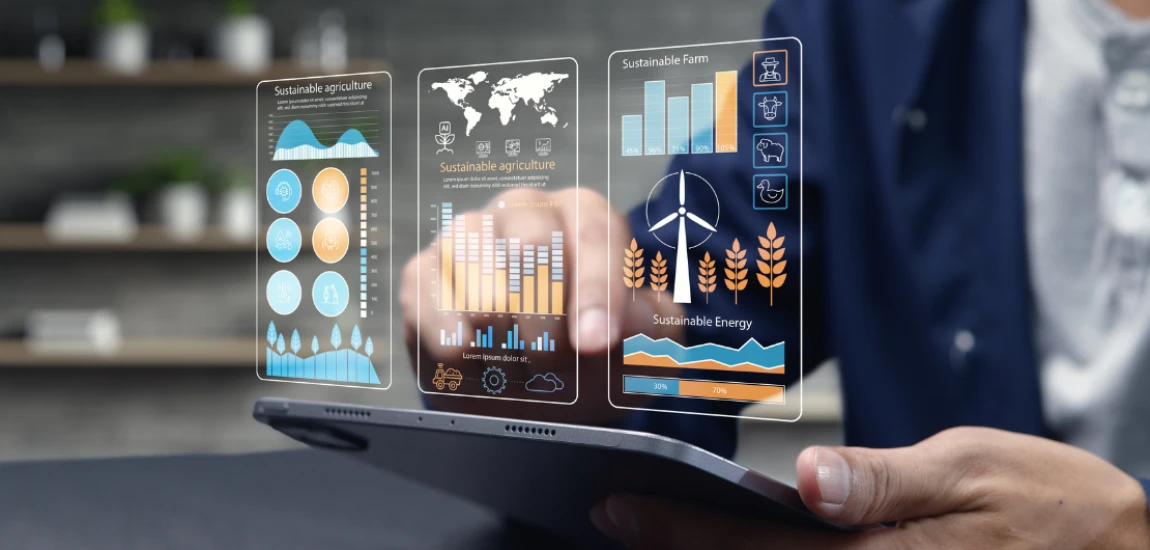
Tourism depends on a wide range of resources. Hotels require water and energy, restaurants depend on food and materials, transportation systems consume fuel and electricity, and attractions rely on land, infrastructure, and natural environments. As tourism continues to grow, the responsible use of these resources is becoming increasingly important.
Destination Resource Efficiency focuses on using tourism resources more intelligently so destinations can provide high-quality visitor experiences while reducing unnecessary consumption, waste, and environmental pressure.
Resource efficiency is not simply about using fewer resources. It is about getting greater value from every unit of water, energy, land, food, material, and infrastructure used by the tourism system. A resource-efficient destination can reduce operating costs, protect natural resources, improve resilience, and support long-term tourism competitiveness.
For example, a hotel can reduce water consumption through efficient fixtures and wastewater reuse. A destination can reduce energy demand through renewable energy and efficient buildings. Restaurants can minimize food waste by improving purchasing and inventory management. Public authorities can improve infrastructure efficiency by coordinating transportation and visitor flows.
The concept also connects closely with sustainable tourism, circular tourism, tourism resource management, climate resilience, low-carbon tourism, water conservation, energy efficiency, and responsible destination planning.
As destinations face climate change, resource shortages, population growth, and increasing visitor demand, using resources responsibly will become a central part of tourism planning.
Understanding Destination Resource Efficiency

Destination Resource Efficiency begins with understanding how resources move through the tourism ecosystem. Tourism resources are interconnected, meaning inefficient use in one area can create pressure elsewhere.
What Is Destination Resource Efficiency?
Destination Resource Efficiency means maximizing the value created from tourism resources while minimizing unnecessary consumption, waste, pollution, and environmental damage.
Important tourism resources include:
Water
Energy
Land
Food
Construction materials
Transportation infrastructure
Public spaces
Natural ecosystems
Tourism facilities
Digital and technological resources
A destination that uses these resources efficiently can serve visitors without continuously increasing its environmental footprint.
Why Resource Efficiency Matters
Tourism growth can increase pressure on limited resources.
Popular destinations may experience water shortages during peak seasons, higher electricity demand, traffic congestion, waste-management challenges, and increased pressure on natural landscapes.
Resource efficiency helps destinations respond to these pressures before they become severe.
It can also reduce operating expenses for tourism businesses. Lower energy consumption, reduced food waste, efficient water systems, and better infrastructure utilization can improve business performance while supporting sustainability.
Moving From Consumption to Optimization
Traditional tourism planning often focuses on securing enough resources to support future growth.
Resource-efficient planning asks a different question: How can existing resources be used more effectively?
Better scheduling, demand management, recycling, resource monitoring, shared infrastructure, renewable energy, and circular systems can increase tourism capacity without requiring proportional increases in resource consumption.
This makes resource efficiency an important component of future-ready tourism development.
Improving Water Efficiency in Tourism

Water is one of the most important resources used by tourism. Accommodation, restaurants, swimming pools, landscaping, attractions, cleaning, and public facilities can all require significant quantities of water.
Reducing Water Consumption
Tourism businesses can reduce water demand through efficient fixtures, low-flow showers, dual-flush toilets, smart irrigation systems, leak detection, and water-efficient appliances.
Hotels can also encourage responsible towel and linen programs while maintaining guest comfort.
These measures may appear small individually, but their combined effect can be substantial when implemented across an entire destination.
Reusing and Recycling Water
Destinations can explore systems that allow appropriate wastewater to be treated and reused.
For example, treated water can potentially be used for landscaping, irrigation, toilet flushing, or other suitable non-potable purposes, depending on local regulations and safety requirements.
Rainwater harvesting can also supplement water supplies for appropriate uses.
Water reuse reduces pressure on freshwater sources and can improve destination resilience during dry periods.
Managing Seasonal Water Demand
Tourism demand is often highly seasonal.
A destination may experience moderate water consumption during the off-season but significant increases during peak visitor periods.
Destination managers can use tourism demand forecasts and water monitoring to identify periods of high pressure.
Hotels, attractions, and public authorities can coordinate conservation campaigns and infrastructure planning around these seasonal patterns.
Increasing Energy and Infrastructure Efficiency

Energy consumption is another major resource challenge for tourism. Hotels, restaurants, transportation systems, attractions, and public facilities require energy to operate.
Improving Energy Efficiency
Tourism businesses can reduce energy use through efficient lighting, heating and cooling systems, smart building controls, insulation, energy-efficient appliances, and improved building design.
Hotels can use sensors to adjust lighting and temperature in unoccupied areas.
Destination-wide energy audits can identify facilities where efficiency improvements could provide the greatest benefits.
Expanding Renewable Energy
Renewable energy can help destinations reduce dependence on fossil fuels.
Solar panels, renewable electricity procurement, small-scale renewable systems, and other appropriate technologies can support cleaner tourism operations.
Hotels, visitor centers, transportation facilities, and public buildings may have opportunities to integrate renewable energy.
Combining renewable energy with efficiency measures is particularly valuable because reducing demand first makes clean energy systems more effective.
Using Infrastructure More Efficiently
Infrastructure does not always need to be expanded to accommodate every increase in tourism demand.
Existing roads, public transportation, visitor centers, parking facilities, attractions, and public spaces may be used more efficiently through better scheduling and visitor-flow management.
For example, dynamic visitor timing can distribute demand across different hours, while public transportation coordination can reduce congestion and improve the utilization of existing infrastructure.


Shivya Nath authors "The Shooting Star," a blog that covers responsible and off-the-beaten-path travel. She writes about sustainable tourism and community-based experiences.
Shivya Nath

Prev Post