
Smart Tourism Water Conservation Networks – Reducing Water Consumption Through Intelligent Resource Management
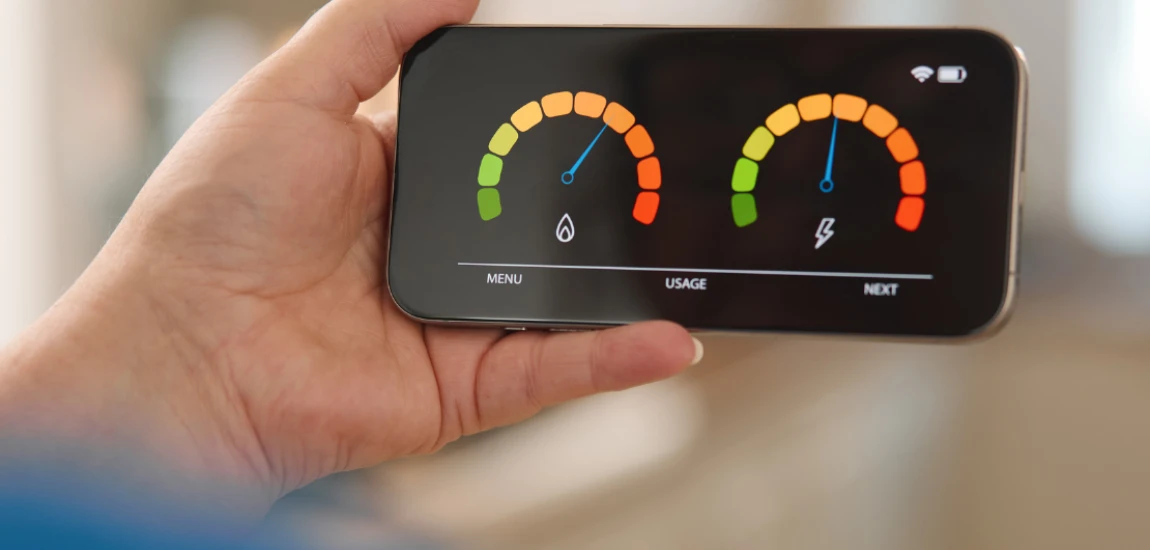
Water is one of the most important resources supporting tourism. Hotels, resorts, restaurants, swimming pools, golf courses, recreational facilities, and tourist attractions all depend on reliable water supplies to provide comfortable visitor experiences. However, increasing tourist numbers, climate change, and growing pressure on local water resources can make water management a serious challenge for many destinations.
Smart Tourism Water Conservation Networks offer an innovative approach to reducing water consumption through intelligent monitoring, automated controls, data analytics, and sustainable resource management. These systems help tourism businesses understand how water is used, identify waste, detect leaks, and improve the efficiency of water distribution.
For example, a hotel can use smart meters to monitor daily water consumption, detect unusual usage patterns, and adjust irrigation according to weather conditions. Destination managers can also combine water information from multiple tourism facilities to identify areas where conservation efforts are most urgently needed.
Smart water conservation is not simply about reducing consumption. It is about ensuring that tourism can operate responsibly without placing unnecessary pressure on communities, ecosystems, and future water supplies.
By combining technology, responsible business practices, and community participation, tourism destinations can build more resilient water management systems while maintaining high-quality visitor experiences.
Understanding Smart Tourism Water Conservation Networks

What Are Smart Tourism Water Conservation Networks?
Smart tourism water conservation networks are connected systems that help tourism businesses and destinations monitor, manage, and reduce water consumption. They can include smart meters, digital sensors, automated valves, leak detection systems, irrigation controllers, and water management software.
These technologies collect information about water use across different facilities and help managers identify where resources are being consumed unnecessarily.
For example, a resort may install smart meters in guest rooms, kitchens, laundry facilities, swimming pools, and landscaped areas. By comparing consumption patterns, managers can identify unusually high usage and investigate possible leaks or inefficient equipment.
The information helps businesses make decisions based on actual consumption rather than relying entirely on estimated bills or occasional manual inspections.
How Intelligent Water Monitoring Works
Smart water monitoring systems collect data from sensors and meters installed throughout a building or destination. Depending on the system, they may measure water flow, pressure, temperature, tank levels, and usage patterns.
The information is transmitted to a central dashboard where staff can review consumption and receive alerts about unusual activity.
For example, continuous water flow during periods when a facility should be inactive may indicate a leaking pipe or faulty fixture. A monitoring system can flag the issue so maintenance teams can investigate it.
More advanced platforms can compare current consumption with historical patterns and identify opportunities to improve efficiency. Their accuracy depends on suitable equipment, reliable data, and proper configuration.
Why Water Conservation Matters for Tourism
Tourism destinations often experience seasonal changes in water demand. During busy periods, hotels and attractions may consume significantly more water while local communities continue to depend on the same supply.
Excessive water consumption can increase operating costs, place pressure on local infrastructure, and contribute to environmental degradation.
Smart water conservation networks help destinations understand these pressures and manage resources more carefully. They support sustainable tourism development by encouraging efficient operations, reducing avoidable waste, and protecting water availability for residents and future visitors.
Intelligent Water Monitoring and Leak Detection

Detecting Water Waste in Tourism Facilities
Leaks are a common source of unnecessary water consumption in hotels, resorts, restaurants, and tourism facilities. Small leaks may remain unnoticed for long periods, while damaged pipes can waste substantial amounts of water.
Smart water meters and flow sensors can help identify unusual consumption patterns. For example, a hotel may notice that a guest-room section continues to consume water overnight even when occupancy is low.
This information allows maintenance teams to inspect the relevant pipes, toilets, taps, or equipment.
Early leak detection reduces water waste and may also prevent damage to buildings, furnishings, and electrical systems.
Using Real-Time Alerts and Automated Monitoring
Traditional water inspections often depend on scheduled maintenance or manual meter readings. Connected monitoring systems can provide more frequent information and alert staff when consumption exceeds established thresholds.
A restaurant might receive an alert about abnormal kitchen water use, while a resort could identify an unexpected change in swimming-pool water levels.
Automated alerts allow maintenance teams to prioritize inspections instead of waiting for unusually high utility bills.
However, not every unusual reading indicates a leak. Cleaning activities, equipment cycles, and changes in visitor numbers can also affect consumption. Staff should investigate alerts before deciding on corrective actions.
Improving Maintenance Through Predictive Analytics
Predictive maintenance uses historical performance data and equipment information to identify potential problems before they become major failures.
In tourism facilities, analytics may help identify recurring pressure fluctuations, unusual flow patterns, or equipment that repeatedly requires repairs.
Maintenance teams can use these findings to plan inspections, replace inefficient fixtures, and improve preventive maintenance schedules.
This approach can reduce water loss while supporting more reliable facility operations. Combining monitoring technology with regular physical inspections creates a stronger water management strategy than relying on either method alone.
Smart Irrigation and Sustainable Landscape Management

Automating Irrigation According to Actual Needs
Landscaping is an important part of many tourism properties, including resorts, parks, golf courses, and recreational gardens. However, traditional irrigation systems may use more water than necessary when they operate on fixed schedules regardless of weather or soil conditions.
Smart irrigation systems can use soil-moisture sensors, weather forecasts, and local environmental data to adjust watering schedules.
For example, if recent rainfall has provided sufficient moisture, an automated controller may delay irrigation. During hotter conditions, it can adjust watering according to the landscape's actual requirements.
These adjustments help reduce unnecessary water use while supporting healthy vegetation.
Choosing Water-Efficient Plants
Technology is most effective when combined with appropriate landscape design. Tourism businesses can reduce irrigation demand by selecting native or climate-adapted plants that thrive under local conditions.
Drought-tolerant vegetation, efficient ground cover, and thoughtful garden layouts can reduce the need for frequent watering.
Businesses should also consider shade, soil quality, and the water requirements of different plant species when designing outdoor spaces.
For destinations in dry regions, replacing water-intensive ornamental landscaping with suitable local vegetation can provide long-term savings without compromising the appearance of the property.
Managing Golf Courses, Parks, and Resort Gardens
Large tourism landscapes may require substantial irrigation, especially during dry seasons. Smart irrigation networks can divide these areas into zones based on soil type, plant needs, sunlight exposure, and water requirements.
Managers can then apply different watering schedules to different sections rather than treating the entire landscape equally.
Regular maintenance of sprinklers, drip lines, and irrigation valves is also important because damaged equipment can cause significant waste.
Together, intelligent irrigation and sustainable landscaping help tourism businesses maintain attractive outdoor environments while reducing pressure on local water supplies.


Gary Arndt operates "Everything Everywhere," a blog focusing on worldwide travel. An award-winning photographer, Gary shares stunning visuals alongside his travel tales.
Gary Arndt

Prev Post
Next Post