
Immersive Tourism Experience Innovation Systems – Transforming Travel Through Virtual Reality, Augmented Reality, and Interactive Technology
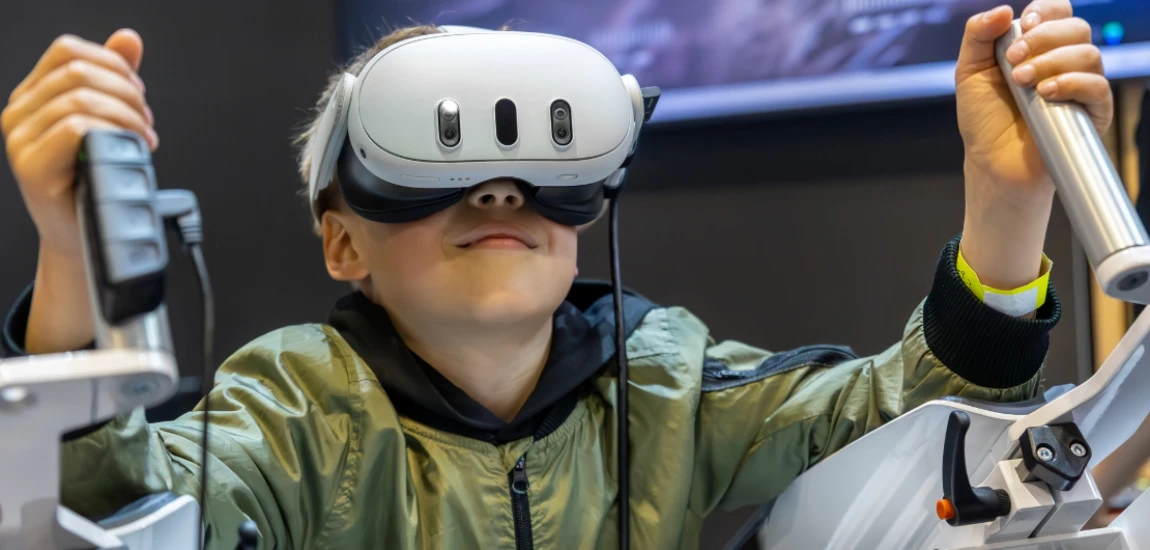
Tourism is evolving as travelers increasingly seek meaningful, interactive, and memorable experiences. Traditional sightseeing remains popular, but visitors are also looking for innovative ways to explore destinations, understand cultural heritage, interact with attractions, and discover places before arriving. Digital technologies are helping tourism businesses meet these expectations by making travel experiences more engaging and accessible.
Immersive Tourism Experience Innovation Systems combine virtual reality (VR), augmented reality (AR), interactive displays, digital storytelling, and other advanced technologies to transform how people experience destinations. These systems allow visitors to explore virtual environments, view digital information over real-world locations, and participate in experiences that connect entertainment with education.
For example, a visitor exploring an ancient monument might use augmented reality to see how the structure looked centuries ago. Someone planning an international holiday could take a virtual tour of a hotel or destination before making a booking. Museums can use interactive displays to explain historical events, while nature-based attractions can introduce visitors to ecosystems through immersive digital experiences.
These innovations create opportunities for tourism businesses, cultural institutions, and destination managers to improve visitor engagement and develop new services. Understanding how immersive tourism systems work can help destinations create more interactive, inclusive, and memorable experiences.
Understanding Immersive Tourism Experience Innovation Systems

What Are Immersive Tourism Experience Systems?
Immersive tourism experience innovation systems are digital solutions that combine technology, storytelling, and visitor interaction to create engaging tourism experiences. Instead of relying exclusively on physical displays or traditional guided tours, these systems allow visitors to interact with digital environments and explore information in more dynamic ways.
Virtual reality can place users inside a simulated destination, while augmented reality adds digital content to the physical environment. Interactive screens, mobile applications, spatial audio, and motion-based experiences can provide additional layers of engagement.
For example, a historical attraction could offer a digital reconstruction that shows visitors how an ancient city developed over time. Travelers could explore the reconstructed streets, observe historic buildings, and learn about daily life through interactive storytelling.
How Immersive Tourism Technology Works
Immersive experiences can use smartphones, tablets, VR headsets, projection systems, interactive kiosks, and specialized sensors.
The technology presents digital content based on the visitor's actions, location, or chosen experience. A mobile application might display historical information when a visitor points a phone toward a monument. A VR experience could simulate a guided journey through a remote landscape.
Some systems also use artificial intelligence to personalize content according to visitor interests, language preferences, or previous interactions.
The most effective experiences combine reliable technology with accurate information and intuitive design. Visitors should be able to understand and enjoy the experience without struggling with complicated controls.
Why Immersive Tourism Innovation Matters
Immersive technologies can help destinations differentiate their offerings and communicate information more effectively. They create opportunities for visitors to learn, explore, and interact with attractions in ways that traditional formats may not provide.
Tourism businesses can use these technologies to promote destinations, explain services, and develop new experiences. Museums and heritage sites can make complex historical information more accessible, while destination marketers can introduce potential travelers to places before they book.
However, technology should support the destination's real cultural, environmental, or recreational value rather than replace meaningful experiences unnecessarily.
Virtual Reality and Digital Destination Exploration

Exploring Destinations Before Traveling
Virtual reality allows users to explore computer-generated or digitally captured environments through immersive visual experiences. In tourism, VR can provide previews of destinations, hotels, attractions, and activities before travelers make purchasing decisions.
A potential visitor could virtually explore a beachfront resort, walk through a museum, or experience a mountain viewpoint from home.
These previews help travelers understand what a destination offers and determine whether it matches their interests. Hotels can showcase room layouts, while tour operators can introduce travelers to activities that may otherwise be difficult to visualize.
Virtual destination previews can also help reduce uncertainty when planning unfamiliar trips.
Reconstructing Historical and Cultural Environments
VR provides opportunities to recreate historical locations that have been damaged, altered, or lost. Museums and cultural institutions can use archaeological research, historical records, and digital modeling to build virtual representations of earlier environments.
Visitors might experience a reconstructed ancient marketplace, explore a historical building, or observe how a settlement changed across different periods.
These experiences can improve cultural understanding by placing historical information within a visual context. However, reconstructions should distinguish verified historical evidence from artistic interpretation to avoid misleading visitors.
When developed with historians, archaeologists, and local communities, VR can support education and heritage interpretation.
Making Remote Attractions More Accessible
Not every traveler can visit remote, expensive, physically demanding, or environmentally sensitive destinations. Virtual reality can provide alternative ways to experience some of these places.
For example, a virtual tour may allow someone with limited mobility to explore parts of a historic building that lack physical accessibility. It can also introduce students to distant natural landscapes without requiring international travel.
VR does not fully reproduce the physical experience of being present at a destination, but it can expand access to information and immersive exploration.
Tourism organizations should provide clear descriptions of what a virtual experience includes and ensure that alternative formats are available for visitors who cannot comfortably use headsets.
Augmented Reality and Interactive Destination Experiences

Bringing Digital Information Into Real Locations
Augmented reality enhances the physical environment by placing digital information, images, animations, or interactive elements over what users see through a device.
In tourism, AR can turn an ordinary sightseeing visit into a more informative and engaging experience.
For example, visitors standing near a historic building might use a smartphone to view a reconstruction of its original appearance. The application could highlight architectural features, identify important historical figures, or explain how the site changed over time.
This approach helps visitors connect digital information with real locations, making complex subjects easier to understand.
Developing Interactive Heritage Tours
Traditional guided tours often depend on fixed schedules and the availability of tour guides. AR applications can provide self-guided experiences that allow visitors to explore at their own pace.
A heritage trail might include interactive maps, historical photographs, audio narration, and digital reconstructions. Visitors could select the information that interests them rather than following a single presentation.
These experiences can also support multilingual interpretation, helping international visitors understand local history and cultural traditions.
Content should be carefully researched and reviewed with relevant cultural experts. AR experiences should respect sacred places, community traditions, and restrictions on photography or public access.
Improving Navigation and Visitor Engagement
AR can help visitors navigate complex attractions, museums, archaeological sites, and large tourism districts. Digital arrows, location markers, and contextual information can guide visitors toward facilities or points of interest.
Interactive features such as quizzes, digital scavenger hunts, and storytelling challenges can make sightseeing more engaging for families and younger audiences.
However, designers should ensure that digital interactions do not distract visitors from traffic, uneven paths, or other physical hazards. Clear instructions and safe device-use guidance are essential.


Shivya Nath authors "The Shooting Star," a blog that covers responsible and off-the-beaten-path travel. She writes about sustainable tourism and community-based experiences.
Shivya Nath
Prev Post

Next Post