
Smart Tourism Accessibility and Inclusive Mobility Systems – Improving Travel Opportunities for People With Disabilities, Older Visitors, and Travelers With
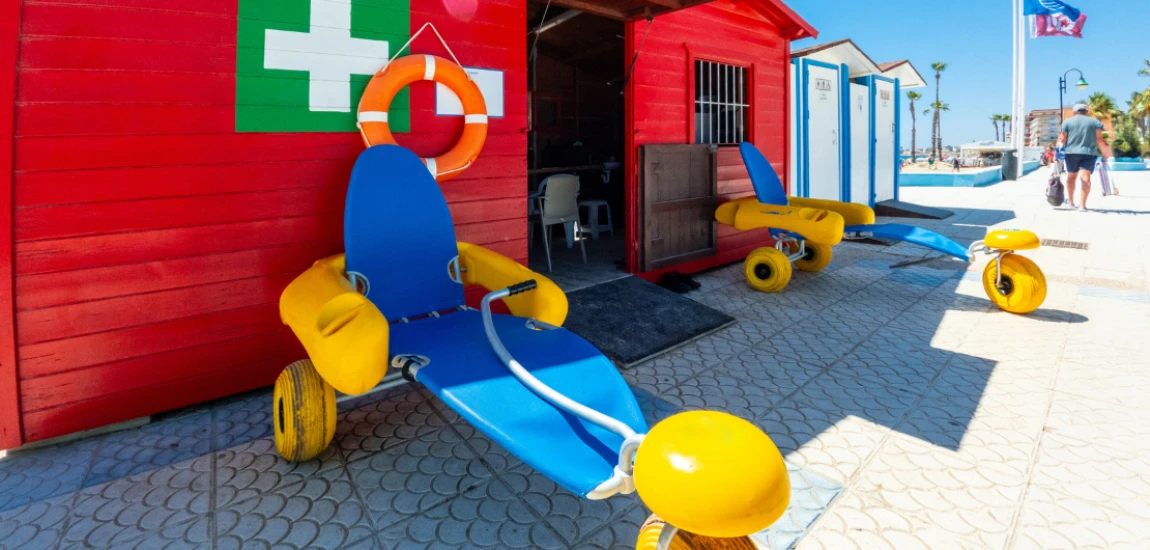
Travel should be an opportunity for everyone to explore new destinations, experience different cultures, and create meaningful memories. However, people with disabilities, older visitors, families with young children, and travelers with temporary mobility limitations can face barriers when planning or enjoying a trip. Inaccessible transport, limited accommodation information, difficult walking routes, and poorly designed public spaces can make travel stressful and expensive.
Smart Tourism Accessibility and Inclusive Mobility Systems combine digital technology, accessible infrastructure, and inclusive planning to make destinations easier to navigate for people with diverse needs. These systems can provide real-time accessibility information, accessible route recommendations, assistive navigation, and better coordination between transportation providers and tourism businesses.
Inclusive tourism is not simply about installing ramps or providing special services. It means designing travel experiences that respect independence, dignity, comfort, and equal participation. By combining thoughtful design with intelligent technology, destinations can remove barriers, improve visitor satisfaction, and welcome a broader range of travelers.
Understanding Smart Tourism Accessibility and Inclusive Mobility

What Is Smart Tourism Accessibility?
Smart tourism accessibility refers to using technology, accessible infrastructure, and coordinated services to help travelers with different abilities participate in tourism more independently. It combines digital tools with physical improvements so that travelers can find suitable facilities, plan journeys, and access attractions with greater confidence.
For example, an accessible tourism platform might provide information about step-free entrances, elevator availability, wheelchair-accessible toilets, hearing assistance, and quiet spaces. Travelers can review these details before leaving home rather than discovering accessibility barriers after arrival.
Accurate information is essential. A hotel described as accessible may still have narrow doorways, inaccessible bathrooms, or steps at its entrance. Tourism providers should therefore publish specific details and update them when facilities change.
The Role of Inclusive Mobility Systems
Inclusive mobility systems help people travel between airports, hotels, attractions, restaurants, and public spaces. They consider different mobility requirements, including wheelchair access, limited walking endurance, visual impairments, hearing loss, and cognitive or sensory needs.
These systems can connect accessible public transport, adapted taxis, pedestrian routes, and digital journey planners. A traveler might receive a route that avoids stairs, includes elevator access, and allows additional time between connections.
Inclusive mobility should offer genuine choices rather than forcing people to rely on one specialized service. Public transportation, sidewalks, stations, and shared mobility services should be designed to accommodate as many users as possible.
Why Inclusive Tourism Matters
Accessible travel benefits more than people with permanent disabilities. Older visitors, travelers recovering from injuries, pregnant travelers, families with strollers, and people carrying heavy luggage may also benefit from step-free routes, clear signs, seating, and reliable transport.
Inclusive destinations can expand their visitor markets, improve customer satisfaction, and demonstrate social responsibility. Most importantly, they help people participate in tourism without unnecessary restrictions or dependence on others.
Using Smart Technology to Improve Accessible Travel Planning

Accessible Digital Travel Platforms
Travel planning websites and mobile applications can help visitors identify destinations, accommodation, transportation, and attractions that meet their accessibility requirements. Users should be able to filter results by practical features rather than relying on broad labels.
Useful information includes entrance dimensions, ramp availability, accessible bathroom facilities, lift access, parking arrangements, assistance services, and communication options. Photographs, videos, and clear descriptions can help travelers understand whether a facility meets their needs.
Digital platforms should also follow accessibility standards so that people using screen readers, keyboard navigation, magnification, or voice controls can use them independently. An inaccessible travel app can create barriers even when the destination itself has suitable facilities.
Artificial Intelligence and Personalized Recommendations
Artificial intelligence can help travelers find routes and services that match their individual requirements. For example, an itinerary planner could prioritize attractions with step-free entrances, recommend frequent rest stops, or identify transport options that accommodate mobility equipment.
Travelers with sensory sensitivities might prefer quieter attractions and less crowded travel periods. Visitors with hearing impairments may prioritize services offering written communication or visual alerts.
Personalization should remain under the traveler's control. Users must be able to change preferences, correct inaccurate recommendations, and decide which personal information they want to share.
Real-Time Accessibility Updates
Accessibility conditions can change because elevators break down, construction blocks sidewalks, or accessible vehicles become unavailable. Real-time notifications can help travelers respond before these problems disrupt their journeys.
For example, a transport app could notify users of a station elevator outage and recommend an alternative accessible connection. However, these features are useful only when providers supply timely and accurate updates.
Actionable tip: Before choosing a destination or booking accommodation, verify important accessibility features directly with the provider. Save contact details, confirmation messages, and alternative transport options in case conditions change.
Designing Inclusive Public Transportation and Mobility Networks

Making Public Transport Accessible
Public transportation is essential for helping visitors move around destinations affordably and independently. Accessible buses, trains, stations, and terminals can make sightseeing easier for travelers who use wheelchairs, walking aids, or other mobility equipment.
Important features include level boarding where possible, ramps or lifts, designated wheelchair spaces, priority seating, tactile indicators, audible announcements, visual displays, and clear signage.
Staff training is equally important. Employees should understand how to operate accessibility equipment, communicate respectfully, and provide assistance without assuming that every traveler needs help.
Developing Accessible Pedestrian Routes
The journey between transport stops and tourist attractions can be just as important as the transport service itself. Broken sidewalks, steep slopes, missing curb ramps, narrow pathways, and poorly maintained surfaces can prevent travelers from reaching their destinations.
Smart mobility systems can map accessible pedestrian routes and identify obstacles. Destination authorities can use this information to prioritize repairs and improve connections between stations, hotels, public spaces, and attractions.
Routes should also include suitable crossings, lighting, seating, shade, and clear directional signs. These features benefit older visitors and people with limited stamina as well as travelers with disabilities.
Connecting Different Mobility Services
Travel often involves multiple transport modes, including trains, buses, taxis, ferries, and walking routes. When accessibility information is fragmented, travelers may struggle to coordinate connections.
Integrated mobility platforms can help users compare options and plan accessible journeys across different providers. For instance, a traveler could select a route that includes an accessible train station, a suitable transfer, and a prearranged adapted taxi.
Transport authorities and private operators should coordinate schedules, booking systems, accessibility standards, and disruption information to make these connections more reliable.


Ben Schlappig runs "One Mile at a Time," focusing on aviation and frequent flying. He offers insights on maximizing travel points, airline reviews, and industry news.
Ben Schlappig

Prev Post
Next Post