
Regenerative Destination Ecosystem Restoration Networks – Connecting Tourism Activities With Biodiversity Recovery, Habitat Protection, and Local
Tourism depends on healthy natural environments, thriving wildlife, clean water, forests, coastlines, and attractive landscapes. However, poorly managed tourism can contribute to habitat destruction, pollution, resource depletion, and pressure on vulnerable ecosystems. As destinations seek more responsible ways to grow, Regenerative Destination Ecosystem Restoration Networks offer an approach that connects tourism activities with environmental recovery and long-term community wellbeing.
Unlike traditional tourism strategies that focus mainly on reducing negative impacts, regenerative tourism aims to leave destinations in better condition. It encourages hotels, tour operators, conservation organizations, local communities, and government agencies to work together on projects that restore habitats, protect biodiversity, improve natural resources, and strengthen local livelihoods.
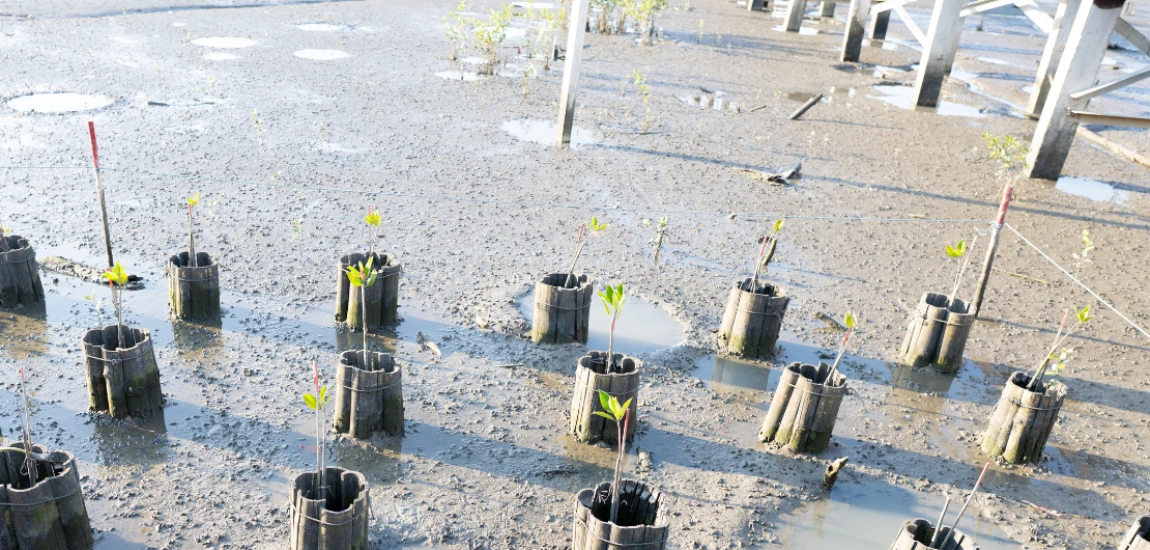
These networks can support activities such as native tree planting, wetland restoration, coral reef protection, wildlife monitoring, and responsible nature-based tourism. When carefully planned, they help visitors contribute to meaningful conservation while supporting local economies.
Successful ecosystem restoration requires scientific knowledge, community participation, long-term funding, and measurable environmental goals. By connecting these elements, destinations can develop tourism systems that protect nature while creating valuable experiences for future generations.
Understanding Regenerative Destination Ecosystem Restoration Networks

What Are Regenerative Restoration Networks?
Regenerative destination ecosystem restoration networks are collaborative systems that connect tourism businesses, environmental specialists, local residents, public authorities, and conservation groups to restore natural environments. Rather than treating conservation as a separate activity, these networks integrate ecological recovery into destination planning, visitor experiences, and business operations.
For example, a coastal destination may connect hotels, diving operators, marine scientists, and fishing communities to protect coral reefs and reduce marine pollution. Hotels can support reef restoration funding, diving operators can educate visitors about responsible behavior, and scientists can monitor ecological changes.
The network approach is important because ecosystems do not operate independently of surrounding communities and businesses. A forest restoration project may fail if nearby development continues to destroy wildlife corridors. Similarly, a beach cleanup may have limited long-term value if waste management remains inadequate.
How Regenerative Tourism Differs From Sustainable Tourism
Sustainable tourism generally seeks to reduce environmental damage, conserve resources, and maintain destinations over time. Regenerative tourism builds on these principles by aiming to improve ecological and social conditions.
A sustainable hotel might reduce water consumption and energy use. A regenerative tourism initiative could also help restore a nearby wetland, support native plant recovery, or finance community-led watershed protection.
Both approaches are valuable, but regenerative destination development places greater emphasis on creating positive outcomes. These outcomes should be demonstrated through evidence rather than marketing claims.
Why Collaboration Matters
Environmental restoration often requires resources and expertise that one organization cannot provide alone. Tourism businesses can contribute funding and visitor engagement, while conservation groups offer scientific knowledge and local organizations understand community needs.
When these stakeholders share responsibilities and establish common goals, restoration projects can become more coordinated and effective. Clear agreements help prevent duplicated work, unequal benefit distribution, and projects that prioritize visitor appeal over ecological health.
Restoring Biodiversity and Protecting Natural Habitats

Rebuilding Native Ecosystems
Biodiversity includes the variety of plants, animals, fungi, and microorganisms that support healthy ecosystems. Tourism destinations may depend on forests, wetlands, mountains, deserts, grasslands, and marine environments, each providing important ecological services.
Regenerative tourism networks can help restore damaged habitats by supporting native vegetation, controlling invasive species where appropriate, improving soil conditions, and protecting wildlife breeding areas. Restoration should be guided by ecological research because planting unsuitable species or altering natural water systems can cause additional harm.
For example, a forest destination might work with local ecologists to restore native trees and reconnect fragmented habitats. Visitors could learn about the restoration process through guided walks, educational displays, or carefully supervised volunteer programs.
Protecting Wildlife and Ecological Corridors
Wildlife needs safe spaces to feed, breed, migrate, and find shelter. Roads, buildings, excessive noise, artificial lighting, and uncontrolled visitor movement can disrupt these activities.
Tourism operators can help protect habitats by establishing wildlife viewing distances, limiting access to sensitive areas, and directing visitors along designated routes. Destination managers can also protect ecological corridors that allow animals to move between habitats.
Wildlife experiences should avoid feeding wild animals, encouraging direct contact, or creating artificial behaviors for entertainment. Responsible operators prioritize animal welfare and natural behavior over close-up photographs.
Measuring Biodiversity Recovery
Restoration projects need measurable indicators to determine whether they are working. These may include native plant survival, habitat coverage, wildlife sightings recorded through consistent methods, water quality, or the recovery of specific species.
A single wildlife sighting does not prove that an ecosystem has recovered. Monitoring should continue over time and account for seasonal changes and other environmental influences.
Actionable tip: Before supporting a habitat restoration project, ask which ecosystem is being restored, who is guiding the work, which species or ecological conditions are priorities, and how progress will be measured. This helps ensure tourism funding supports meaningful environmental outcomes.
Connecting Tourism Businesses With Environmental Restoration

Making Hotels Part of the Restoration Network
Hotels and resorts interact with local ecosystems through water consumption, energy use, food sourcing, waste production, landscaping, and construction. Their operational choices can either increase environmental pressure or support restoration.
Hotels can reduce these impacts by conserving water, minimizing single-use plastics, purchasing responsibly sourced products, and improving wastewater and waste management. They can also contribute financially to scientifically guided restoration projects near their destinations.
For instance, a hotel operating near a wetland might support water-quality monitoring and habitat recovery while informing guests about the importance of wetlands for biodiversity and flood protection.
However, restoration funding should not replace the responsibility to reduce the hotel's own environmental impacts. A business should first address preventable damage associated with its operations.
Supporting Tour Operators and Local Guides
Tour operators can connect visitors with environmental restoration through guided nature walks, community conservation experiences, responsible wildlife observation, and educational excursions.
Local guides are particularly important because they understand local landscapes, cultural traditions, and environmental challenges. Their knowledge can help visitors understand why certain areas require protection and how everyday activities affect natural systems.
Operators should ensure that any volunteer activity is safe, scientifically appropriate, and useful to the project. Visitors should not be encouraged to handle wildlife, enter sensitive habitats, or perform restoration work without proper supervision.
Creating Responsible Visitor Contributions
Tourism businesses can invite guests to support restoration through optional donations, conservation-focused packages, or participation in approved environmental activities.
Contribution systems should be transparent. Visitors should understand where the money goes, which organization manages the project, and what outcomes are expected.
Businesses should avoid claiming that one donation or visit fully offsets a person's environmental impact. Instead, they should communicate the specific contribution being made and report progress honestly.


Shivya Nath authors "The Shooting Star," a blog that covers responsible and off-the-beaten-path travel. She writes about sustainable tourism and community-based experiences.
Shivya Nath

Prev Post
Next Post