
Smart Destination Infrastructure Planning – Improving Tourism Facilities and Public Services
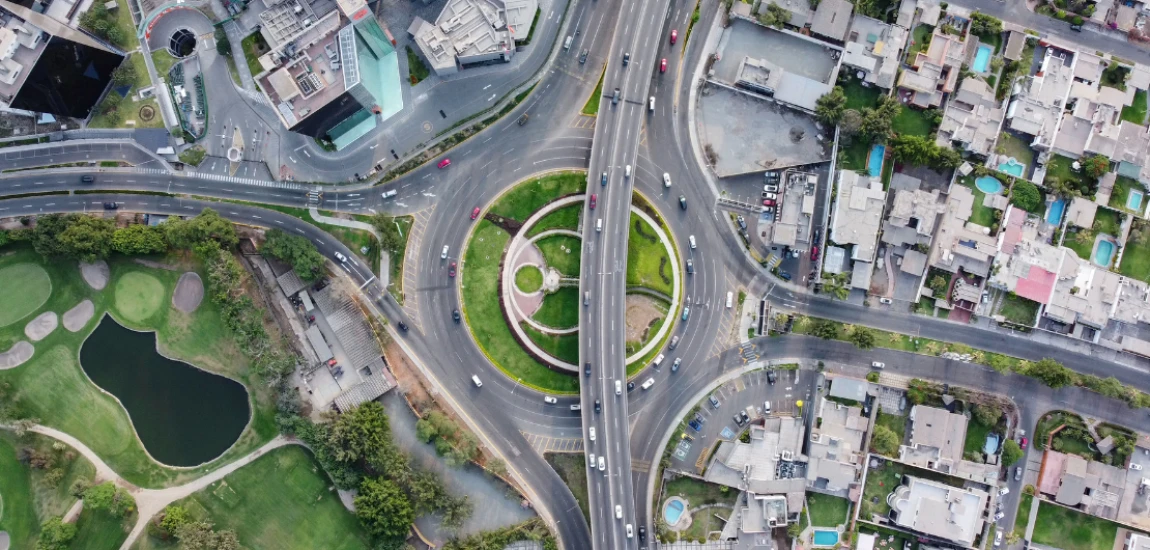
Smart Destination Infrastructure Planning – Improving Tourism Facilities and Public Services
Tourism destinations depend on reliable infrastructure to deliver safe, comfortable, and memorable visitor experiences. Roads, airports, public transportation, accommodation, sanitation facilities, water supplies, energy systems, and digital connectivity all influence how travelers experience a destination. When these services are poorly coordinated, visitors may encounter overcrowding, traffic congestion, limited accessibility, and unreliable public facilities. Local residents can also experience pressure on essential services.
Smart destination infrastructure planning offers a forward-looking approach to these challenges by combining data analytics, digital technology, sustainable design, and long-term development strategies. Instead of building facilities solely in response to existing problems, destinations can forecast future demand, identify infrastructure gaps, and prioritize investments according to measurable needs.
This approach also recognizes that tourism infrastructure must serve both visitors and residents. Well-planned transport networks, efficient waste management, accessible public spaces, and reliable utilities can improve daily life while strengthening tourism competitiveness.
By integrating smart technologies with responsible planning, destinations can develop infrastructure that is adaptable, environmentally conscious, and capable of supporting changing visitor expectations. The following strategies explain how smart destination infrastructure planning can transform tourism facilities and public services.
Understanding Smart Destination Infrastructure Planning

What Is Smart Destination Infrastructure Planning?
Smart destination infrastructure planning is the process of designing, upgrading, and managing tourism-related facilities through data-driven decisions and coordinated development. It considers the relationship between visitor demand, public services, environmental conditions, local communities, and available resources.
Traditional infrastructure planning often relies on historical statistics and fixed development assumptions. Smart planning adds real-time information, predictive analytics, geographic information systems, and digital monitoring to help authorities understand changing conditions.
For example, a coastal destination can combine accommodation forecasts, traffic information, water availability, and environmental assessments to determine where additional services may be needed. This approach helps planners identify infrastructure requirements before seasonal demand creates serious pressure.
Why Tourism Destinations Need Smarter Infrastructure
Tourism growth can increase demand for roads, public toilets, pedestrian routes, waste collection, emergency services, and reliable utilities. Without appropriate planning, these pressures can reduce visitor satisfaction and affect residents' access to essential services.
Smart infrastructure planning helps destinations prioritize improvements according to actual needs rather than assumptions. It can also identify opportunities to upgrade existing facilities before constructing expensive new infrastructure.
For instance, improving public transport connections and pedestrian access may manage visitor demand more effectively than expanding parking facilities in an already congested historic district.
Connecting Tourism Development With Community Needs
Infrastructure investments should provide lasting benefits to local communities. Projects that primarily serve tourists while increasing residents' living costs, traffic, or resource shortages may create long-term problems.
Destination authorities should therefore involve residents, businesses, accessibility advocates, transport operators, and environmental specialists throughout the planning process.
Community consultations, public surveys, and transparent investment plans can reveal which improvements matter most. By balancing visitor needs with public priorities, destinations can develop infrastructure that supports economic growth without undermining local wellbeing.
Using Smart Data to Forecast Infrastructure Demand

Predicting Future Visitor Numbers
Reliable infrastructure planning begins with understanding how many visitors a destination may receive, when they are likely to arrive, and which areas they will use.
Predictive tourism analytics can combine historical arrivals, accommodation bookings, airline capacity, holiday calendars, major events, and travel trends to estimate future demand.
These forecasts help authorities plan transport services, sanitation facilities, public spaces, and emergency resources. For example, a destination expecting a major increase in festival attendance can prepare additional waste collection, temporary transport connections, and crowd-management arrangements.
Forecasts should be updated as conditions change because economic shifts, severe weather, and unexpected disruptions can influence visitor numbers.
Identifying Infrastructure Gaps
Data analysis can help planners identify where existing services are insufficient or unevenly distributed. Mapping visitor arrivals alongside public transport routes, accessible facilities, water availability, and waste collection coverage can reveal underserved areas.
A popular attraction might receive large numbers of visitors but lack nearby public toilets, shaded waiting areas, drinking water, or accessible pathways.
By identifying these gaps, destination managers can direct funding toward practical improvements that enhance safety and comfort.
Infrastructure audits should also assess the condition of existing assets. Repairing damaged walkways, improving signage, or upgrading drainage systems may deliver greater value than building entirely new facilities.
Prioritizing Investments With Evidence
Tourism infrastructure budgets are limited, so destinations need transparent methods for choosing projects. Smart planning can compare expected costs, visitor benefits, environmental effects, community needs, and maintenance requirements.
A proposed transport improvement, for example, should be assessed according to its ability to reduce congestion, improve access, serve residents, and operate reliably over time.
Authorities can use scenario analysis to compare different investment options under varying visitor-growth assumptions.
The goal is not simply to invest in the most technologically advanced projects. It is to select infrastructure that solves important problems, provides measurable benefits, and remains financially and environmentally sustainable.
Improving Transportation and Visitor Mobility

Developing Integrated Public Transportation
Transportation strongly influences destination accessibility, visitor satisfaction, and environmental performance. Smart destination infrastructure planning connects airports, railway stations, bus terminals, accommodation areas, attractions, and other important locations through coordinated transport systems.
Real-time passenger information, digital ticketing, route-planning applications, and demand forecasting can improve service reliability.
For example, transport operators can adjust bus frequency during major events or peak tourism periods when passenger demand rises. Integrated ticketing can also simplify travel between different transport providers.
Transport improvements should consider affordability, reliability, safety, and convenience for residents as well as visitors.
Reducing Traffic Congestion
Congestion increases travel times, creates pollution, and reduces the quality of tourism experiences. Smart traffic-management systems can combine traffic sensors, public transport information, event schedules, and road conditions to identify emerging bottlenecks.
Authorities can respond by adjusting traffic signals, providing alternative routes, improving pedestrian access, and encouraging visitors to use public transport.
In busy historic centers, designated drop-off points and carefully managed vehicle access may help protect pedestrian areas.
However, technology cannot solve every congestion problem. Effective strategies may also require better land-use planning, improved public transport capacity, parking management, and policies that reduce unnecessary vehicle trips.
Creating Walkable and Accessible Destinations
Walking and cycling infrastructure can improve the visitor experience while reducing dependence on private vehicles.
Well-maintained sidewalks, safe crossings, shaded routes, bicycle facilities, clear directional signs, and connections between attractions make destinations easier to explore.
Universal accessibility should be included from the beginning. Step-free paths, ramps, tactile guidance, accessible toilets, resting areas, and reliable information about mobility barriers can help travelers with different needs.
Planners should consult people with disabilities and other users to identify barriers that standard design reviews might overlook.
By creating safe and connected mobility networks, destinations can improve accessibility, support local businesses, and make tourism more environmentally responsible.


Shivya Nath authors "The Shooting Star," a blog that covers responsible and off-the-beaten-path travel. She writes about sustainable tourism and community-based experiences.
Shivya Nath
Prev Post

Next Post