
Regenerative Tourism Development Networks – Restoring Nature Through Sustainable Tourism
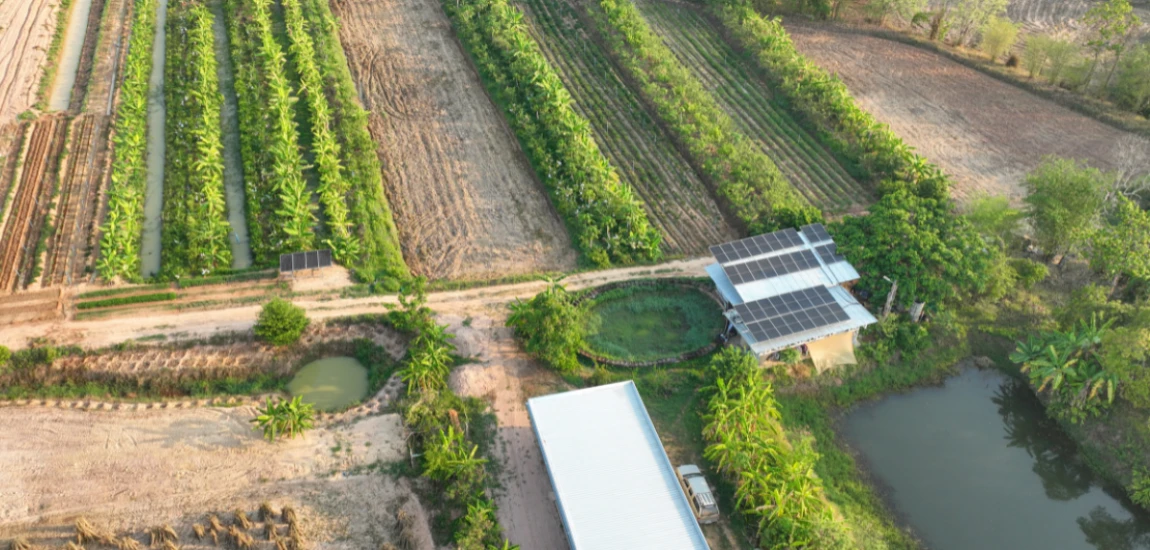
Regenerative Tourism Development Networks – Restoring Nature Through Sustainable Tourism
Tourism can create valuable economic opportunities, support cultural preservation, and connect people with nature. However, poorly managed tourism can also contribute to habitat destruction, excessive resource consumption, pollution, and pressure on local communities. As destinations face growing environmental challenges, a new approach is gaining attention: regenerative tourism. Rather than focusing only on reducing negative impacts, regenerative tourism aims to leave destinations healthier, stronger, and more resilient.
Regenerative tourism development networks bring together tourism businesses, local communities, environmental organizations, governments, researchers, and travelers to achieve shared restoration goals. These partnerships help coordinate conservation projects, restore damaged ecosystems, encourage responsible investment, and ensure that tourism benefits reach local people.
By connecting different stakeholders, destinations can move beyond isolated sustainability initiatives and create coordinated systems that support nature and community wellbeing. Hotels can contribute to habitat restoration, tour operators can educate visitors, local farmers can supply sustainable food, and tourism authorities can direct investment toward conservation priorities.
This article explores how regenerative tourism development networks work, the strategies that make them effective, and the practical steps destinations can take to restore nature through responsible tourism development.
Understanding Regenerative Tourism Development Networks

What Makes Tourism Regenerative?
Regenerative tourism is an approach that seeks to improve the environmental and social conditions of the places people visit. Sustainable tourism generally emphasizes reducing harm and maintaining resources for the future, while regenerative tourism aims to contribute positively through ecosystem restoration, biodiversity protection, cultural revitalization, and stronger local economies.
Examples include restoring wetlands near tourism areas, supporting native forest regeneration, removing invasive species, and financing conservation through visitor activities.
These efforts require more than environmentally friendly accommodation or reduced plastic consumption. They involve understanding how tourism interacts with local ecosystems and designing activities that contribute to long-term improvements.
For instance, a coastal destination may encourage visitors to participate in supervised dune restoration while ensuring that tourism infrastructure does not damage sensitive habitats.
Why Development Networks Matter
Regenerative tourism requires collaboration because environmental challenges rarely fall within the responsibility of a single organization. A hotel can reduce its water consumption, but protecting a watershed may require cooperation among farmers, municipal authorities, conservation groups, and other businesses.
Development networks connect these stakeholders around shared objectives. They provide opportunities to exchange knowledge, coordinate investment, establish restoration priorities, and measure results.
A destination-wide network might include accommodation providers, community associations, national park managers, local artisans, universities, and transport companies. Each participant contributes different skills and resources.
Such cooperation can prevent duplicated efforts and ensure that individual projects support broader environmental priorities. Networks can also help smaller tourism businesses access training, funding, and technical expertise that would otherwise be difficult to obtain.
Connecting Environmental Restoration With Tourism Value
Nature restoration can strengthen tourism by improving landscapes, protecting wildlife, and creating meaningful visitor experiences. Healthy ecosystems often support activities such as birdwatching, hiking, snorkeling, wildlife observation, and nature education.
However, restoration should not be treated merely as a marketing opportunity. Projects must be guided by ecological evidence, local knowledge, and long-term conservation needs.
Successful regenerative tourism development networks create a relationship in which tourism contributes resources to environmental recovery while healthy natural environments support responsible visitor experiences.
Restoring Ecosystems Through Collaborative Conservation

Protecting Forests, Wetlands, and Coastal Habitats
Natural ecosystems provide essential services, including water filtration, carbon storage, soil protection, flood regulation, and habitat for wildlife. Tourism development can threaten these benefits when construction, pollution, and unmanaged visitor activity damage sensitive areas.
Regenerative tourism networks can coordinate restoration projects that respond to local ecological conditions. Forest destinations may prioritize native tree regeneration, while wetland regions may focus on restoring water flows and protecting breeding habitats. Coastal destinations may restore mangroves, dunes, seagrass beds, or coral reef ecosystems where scientifically appropriate.
Tourism businesses can contribute through conservation funding, responsible excursion design, and partnerships with qualified environmental organizations.
For example, a group of hotels near a mangrove ecosystem could support habitat monitoring and restoration under the guidance of local specialists. Their contributions could help fund fieldwork, environmental education, and ongoing maintenance.
Projects must use suitable native species and appropriate restoration techniques rather than relying on tree planting or visitor participation as universal solutions.
Supporting Biodiversity and Wildlife Protection
Biodiversity is essential for resilient ecosystems and can also be an important foundation for nature-based tourism. Yet wildlife disturbance, habitat fragmentation, litter, and irresponsible animal encounters can undermine conservation efforts.
Regenerative tourism networks can establish wildlife-viewing guidelines, develop visitor education programs, and support protected-area management.
Tour operators may limit group sizes, maintain appropriate distances from animals, avoid sensitive breeding areas, and work with conservation professionals to minimize disturbance.
Tourism revenue can also support habitat protection and biodiversity monitoring. When communities receive tangible benefits from conservation, they may have stronger incentives to protect local natural resources.
Wildlife tourism must nevertheless be carefully managed. Feeding wild animals, handling vulnerable species, or promoting intrusive encounters can cause harm even when activities are advertised as educational.
Measuring Ecological Improvement
Restoration should be evaluated through measurable environmental outcomes rather than the number of activities organized.
Depending on the ecosystem, useful indicators may include native vegetation recovery, water quality, soil condition, habitat connectivity, wildlife populations, and the survival of restored plants.
Baseline assessments help establish existing conditions before projects begin. Repeated monitoring then shows whether interventions are producing meaningful improvements.
Tourism networks should share findings transparently and adapt their methods when results fall short. This approach ensures that environmental restoration remains the primary objective and helps prevent misleading sustainability claims.
Empowering Local Communities and Indigenous Knowledge

Placing Communities at the Center of Decisions
Local residents experience the benefits and costs of tourism directly. They may depend on forests, fisheries, farmland, and water resources for their livelihoods, while also facing congestion, rising prices, or restricted access to traditional areas.
Regenerative tourism development networks should involve communities in identifying priorities, setting project goals, and evaluating outcomes.
Public consultations, community advisory groups, and participatory planning sessions can help tourism organizations understand local needs before investing in restoration or new attractions.
Participation should be meaningful rather than symbolic. Residents need opportunities to influence decisions, question proposed developments, and receive clear information about how tourism revenue will be used.
Projects that reflect local priorities are more likely to maintain public support and deliver lasting benefits.
Preserving Indigenous and Traditional Ecological Knowledge
Indigenous peoples and local communities may possess generations of knowledge about native plants, seasonal changes, water management, wildlife behavior, and sustainable land use.
When communities choose to share this knowledge, it can strengthen restoration planning and help identify methods suited to local environments.
For example, traditional approaches to landscape management may offer valuable insights into fire prevention, biodiversity protection, or the sustainable use of natural resources.
However, traditional knowledge must be handled respectfully. Communities should retain control over sensitive information, receive appropriate recognition, and determine whether particular practices or cultural knowledge may be shared with visitors.
Regenerative tourism networks should avoid treating cultural knowledge as a resource that businesses can freely commercialize.
Creating Local Employment and Business Opportunities
Restoration projects can create opportunities for local guides, conservation workers, farmers, artisans, transport providers, and small tourism enterprises.
Networks can support these opportunities through training, fair contracts, local procurement, and access to tourism markets.
For example, a community near a restored forest might develop guided nature walks, locally prepared meals, and educational workshops that complement conservation activities.
The goal should be to ensure that economic benefits remain within the destination rather than flowing primarily to outside operators.
Measuring local employment, wages, business participation, and community satisfaction helps determine whether regenerative tourism is genuinely improving local livelihoods.


Kate McCulley, the voice behind "Adventurous Kate," provides travel advice tailored for women. Her blog encourages safe and adventurous travel for female readers.
Kate McCulley

Prev Post

Next Post