
Smart Destination Energy Optimization Networks: Building Energy-Efficient and Sustainable Tourism Destinations
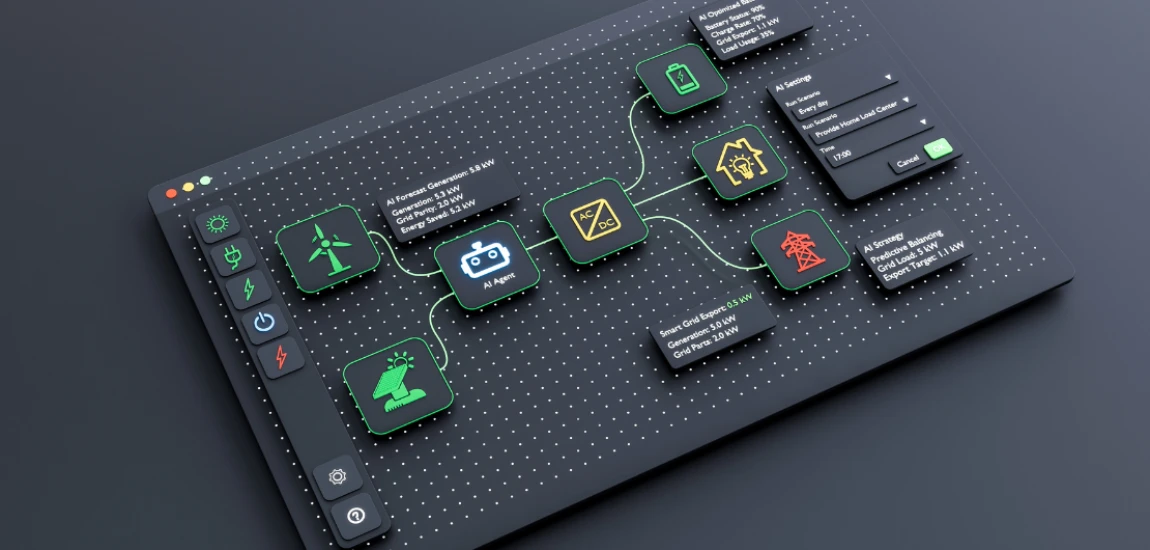
Tourism destinations depend on reliable energy to provide comfortable accommodation, transportation, lighting, entertainment, food services, and essential public infrastructure. Hotels require electricity for heating, cooling, laundry, and kitchens, while airports, attractions, restaurants, and commercial districts need dependable power to serve visitors. As tourism grows, energy demand can increase significantly, placing pressure on local electricity networks, operating budgets, and environmental resources.
Smart Destination Energy Optimization Networks offer an intelligent approach to managing these challenges. They connect renewable energy systems, electricity consumption data, energy storage, smart buildings, and destination infrastructure to improve how energy is produced, distributed, stored, and used. Rather than allowing individual businesses to manage energy independently, these networks encourage coordinated planning across the wider destination.
For example, a coastal tourism region could combine hotel rooftop solar panels, battery storage, smart cooling systems, and predictive electricity management. Energy demand could be shifted away from expensive peak periods, while stored renewable electricity could support essential services when solar generation decreases.
These systems can reduce operating costs, improve energy resilience, and support tourism decarbonization. However, their success depends on suitable infrastructure, reliable data, financing, technical expertise, and collaboration between tourism businesses and local authorities.
Understanding Smart Destination Energy Optimization Networks

Smart destination energy optimization networks are coordinated systems that monitor and improve energy production, distribution, storage, and consumption across tourism-related facilities. They combine digital technologies, renewable energy, efficient infrastructure, and intelligent management to help destinations use energy more effectively.
Connecting Energy Systems Across Tourism Facilities
Traditional energy management often takes place at the individual building level. A hotel might install efficient lighting, while a nearby attraction introduces solar panels and a restaurant upgrades its refrigeration equipment. Although each improvement can be useful, separate projects may overlook opportunities to coordinate energy resources across the destination.
A smart energy optimization network connects participating facilities through shared monitoring, forecasting, and management processes. Hotels, visitor centers, transport facilities, restaurants, and public buildings can share appropriate operational information to improve demand planning.
For example, a tourism district may experience high electricity consumption during the afternoon because of air conditioning, swimming pools, commercial kitchens, and visitor facilities. Coordinated monitoring can identify where demand is highest and where flexible operations could reduce pressure on the local grid.
The objective is not necessarily to create one centralized energy system. It is to coordinate different facilities so that each can contribute to a more efficient and resilient destination.
Using Intelligent Monitoring and Energy Analytics
Smart meters, building management systems, connected sensors, and energy dashboards provide information about electricity consumption and operational performance. These tools help managers understand when energy is used, which equipment consumes the most electricity, and where unnecessary demand occurs.
Analytics software can compare consumption patterns with occupancy, weather, operating hours, and visitor numbers. For instance, a hotel may discover that cooling equipment continues operating at high levels in unoccupied meeting rooms.
Correcting these patterns can reduce waste without compromising guest comfort. Monitoring also helps maintenance teams detect unusual consumption that may indicate equipment faults.
Reliable data is essential. Businesses should check sensor accuracy, establish consistent measurement methods, and protect operational information. Technology should produce actionable insights rather than unnecessary complexity.
Creating a Destination-Wide Energy Strategy
An effective network requires a shared strategy that establishes priorities, responsibilities, and measurable objectives. Tourism businesses and local authorities can identify major energy users, assess renewable energy potential, and determine which improvements offer the greatest benefits.
A destination might prioritize efficient cooling in hotels, solar generation on suitable rooftops, battery storage for critical services, and improved public lighting.
Projects should be evaluated according to cost, energy savings, reliability, environmental impact, and local operating conditions. Coordinated planning helps avoid fragmented investments and creates a stronger foundation for long-term sustainable tourism development.
Integrating Renewable Energy into Tourism Destinations

Renewable energy is an important component of smart destination energy optimization networks. Solar, wind, and other locally appropriate renewable resources can reduce dependence on fossil-fuel-based electricity while supporting more predictable long-term energy costs.
Expanding Solar Energy for Hotels and Attractions
Solar photovoltaic systems can generate electricity from suitable rooftops, parking structures, and other appropriate locations. Hotels, resorts, visitor centers, shopping areas, and transport facilities may have substantial daytime electricity demand that aligns with solar generation.
For example, a resort can use solar electricity to support lighting, refrigeration, office equipment, and some cooling requirements. Solar-powered parking canopies may provide electricity while offering shade for vehicles.
Before installation, businesses should assess roof condition, shading, structural capacity, local regulations, maintenance requirements, and the relationship between generation and consumption.
Solar generation varies with weather and time of day. Consequently, systems should be designed around realistic demand estimates rather than assumed to provide uninterrupted power. Storage, efficient equipment, and suitable grid connections can help manage these fluctuations.
Exploring Wind and Other Local Renewable Resources
Some destinations may have suitable conditions for wind energy, geothermal systems, small-scale hydropower, or renewable heat technologies. The best option depends on geography, resource availability, environmental constraints, and local infrastructure.
Wind energy may be appropriate in certain coastal or elevated locations, while geothermal heat pumps can improve building heating and cooling efficiency where ground conditions support their use.
Renewable energy projects must consider wildlife, landscapes, water resources, cultural heritage, and community acceptance. A technically feasible installation may still be inappropriate if it causes significant environmental damage or conflicts with local priorities.
Destination planners should compare alternatives carefully and consider the full life cycle of equipment, including construction, maintenance, replacement, and eventual disposal.
Coordinating Renewable Generation with Energy Demand
Renewable generation becomes more valuable when its timing matches the destination's electricity needs. Energy management systems can forecast solar production and electricity consumption, allowing operators to schedule flexible activities when renewable power is available.
For example, a hotel could schedule certain laundry cycles, electric vehicle charging, or water heating during periods of high solar generation, provided that operational requirements are met.
Coordinating these activities can reduce reliance on electricity during expensive or carbon-intensive periods. However, essential services, food safety, guest comfort, and equipment requirements must always take priority.
Combining renewable generation with efficiency measures and flexible demand creates a stronger energy strategy than installing generation equipment alone.
Optimizing Electricity Demand and Energy Storage

Tourism energy demand changes according to occupancy, weather, operating schedules, and seasonal visitor activity. Smart demand management helps destinations respond to these variations, while energy storage provides flexibility when renewable generation and electricity demand do not occur at the same time.
Forecasting Peak Electricity Demand
Hotels and tourism facilities may experience their highest electricity demand during hot afternoons, busy meal periods, conferences, or major events. These peaks can increase electricity costs and place additional pressure on local distribution networks.
Predictive energy management uses historical consumption, occupancy data, weather forecasts, and operational schedules to estimate future demand.
A hotel preparing for a high-occupancy weekend might use these forecasts to schedule equipment maintenance, optimize cooling systems, and manage nonessential electricity use before peak periods.
Forecasts should be updated as conditions change. Unexpected arrivals, extreme temperatures, and equipment failures can disrupt planned demand patterns, so operators need flexible management procedures.
Using Battery Storage and Thermal Storage
Battery storage allows destinations to retain electricity for later use. When combined with renewable generation, batteries can store surplus solar power and discharge it when generation declines or electricity demand rises.
Thermal storage offers another option. Buildings can sometimes produce chilled water or store heat during favorable periods and use it later to reduce immediate electricity demand.
For example, a hotel with a central cooling system may use thermal storage to produce cooling earlier in the day and reduce the need for intensive cooling equipment during the evening peak.
Storage technologies require careful evaluation of installation costs, usable capacity, efficiency losses, equipment lifespan, safety requirements, and maintenance. Batteries are not automatically the most economical solution for every facility.
Shifting Flexible Energy Activities
Demand response involves adjusting the timing of suitable electricity-consuming activities to improve grid efficiency or reduce costs.
Tourism facilities may shift certain laundry operations, water heating, electric vehicle charging, and nonessential equipment cycles when practical. Automated building systems can help coordinate these adjustments while maintaining service standards.
Destinations should establish clear operating limits to prevent energy optimization from affecting guest comfort, accessibility, hygiene, or essential services.
When demand forecasting, storage, and flexible operations work together, tourism businesses can reduce avoidable peak demand and make better use of available renewable energy.


Shivya Nath authors "The Shooting Star," a blog that covers responsible and off-the-beaten-path travel. She writes about sustainable tourism and community-based experiences.
Shivya Nath

Prev Post
Next Post