
Smart Destination Accessibility – Making Travel Easier for Diverse Visitors
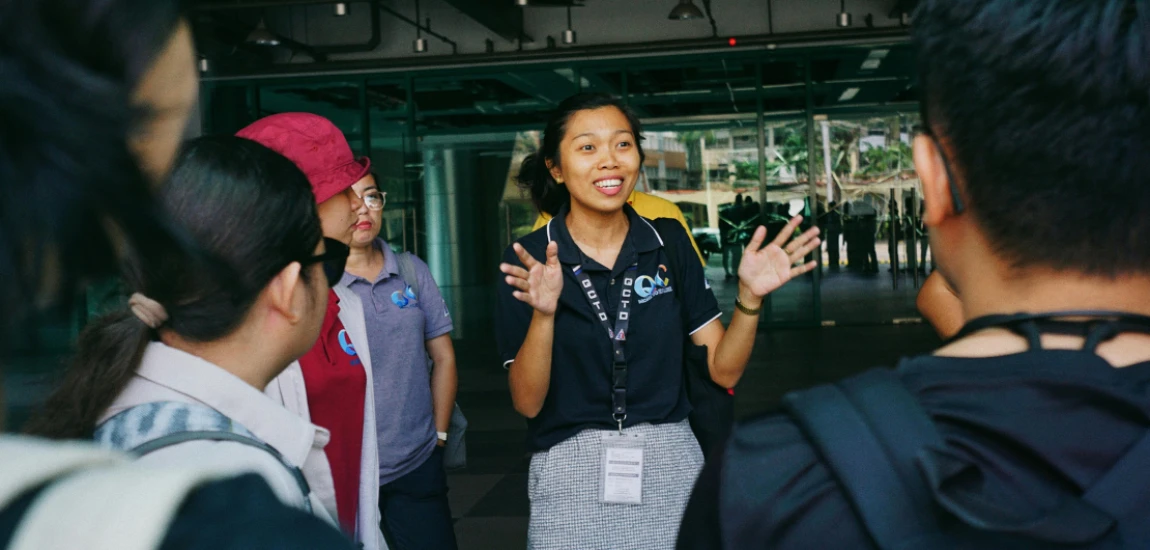
Travel should be an opportunity for discovery, relaxation, learning, and connection. However, many people experience barriers when planning or taking a trip. These barriers may affect people with physical disabilities, sensory differences, cognitive needs, older travelers, families with young children, people with temporary injuries, and visitors who face language or digital challenges.
Accessibility in tourism is not limited to wheelchair ramps or elevators. It includes transportation, accommodation, attractions, public spaces, websites, booking systems, communication, signage, customer service, emergency support, and the overall visitor experience.
Smart Destination Accessibility provides a modern approach to making tourism more inclusive. It combines accessible infrastructure, digital tools, inclusive design, real-time information, personalized services, and coordinated destination planning to help diverse visitors travel with greater confidence.
A smart accessible destination does not expect every visitor to adapt to the same system. Instead, it recognizes that travelers have different needs and provides multiple ways to access information, transportation, attractions, services, and experiences.
For example, a destination may offer step-free routes, accessible public transportation, audio descriptions, captioned videos, sensory-friendly visiting hours, multilingual information, easy-to-read guides, accessible booking platforms, and real-time updates about facilities.
Accessibility also benefits the wider tourism economy. When more people can comfortably visit a destination, tourism businesses can reach broader markets, improve customer satisfaction, and build stronger reputations for inclusion.
The following sections explore how Smart Destination Accessibility can make travel easier, safer, and more welcoming for diverse visitors.
Understanding Smart Destination Accessibility

Smart Destination Accessibility refers to the use of inclusive planning, technology, infrastructure, information, and services to remove barriers that prevent people from fully participating in tourism.
Moving Beyond Traditional Accessibility
Traditional accessibility planning often focuses on physical infrastructure.
Ramps, elevators, accessible toilets, reserved parking spaces, and step-free entrances are important, but they represent only one part of the visitor journey.
A traveler may find an accessible hotel but struggle to reach it because public transportation is unsuitable. Another visitor may access an attraction physically but be unable to understand the information because there are no captions, audio descriptions, or easy-to-read materials.
Smart accessibility examines the complete travel experience.
It considers how visitors search for information, book services, reach a destination, move through public spaces, participate in activities, communicate with staff, and respond to unexpected changes.
Recognizing Diverse Visitor Needs
Visitors are not a single group with identical requirements.
A wheelchair user may need step-free routes and accessible transportation. A visitor with low vision may need tactile signs, audio information, and clear lighting. A deaf visitor may require captions, visual announcements, or sign-language support.
People with cognitive or sensory differences may benefit from quiet spaces, predictable schedules, clear instructions, and reduced sensory stimulation.
Older travelers and families with children may also benefit from seating, accessible paths, rest areas, and convenient facilities.
Smart destination planning recognizes this diversity.
Making Accessibility Part of Destination Design
Accessibility should be included from the beginning of destination planning rather than added later.
New hotels, attractions, public spaces, transportation systems, digital platforms, and tourism services can be designed around inclusive principles.
Retrofitting existing facilities may still be necessary, but early planning can reduce costs and improve consistency.
Designing Accessible Tourism Infrastructure

Physical infrastructure strongly influences whether visitors can move comfortably and independently through a destination.
Creating Barrier-Free Public Spaces
Accessible public spaces should provide safe and convenient movement for people with different mobility needs.
Important features can include step-free pathways, smooth surfaces, accessible crossings, sufficient pathway width, appropriate slopes, seating, shade, accessible toilets, and clear directional signs.
Public spaces should also be maintained properly. Broken pavements, blocked ramps, uneven surfaces, and poorly placed street furniture can create barriers even when accessibility features are technically present.
Accessibility should therefore be treated as an ongoing maintenance responsibility.
Improving Accessible Transportation
Transportation is a critical part of the tourism experience.
Accessible buses, trains, taxis, shuttles, airports, stations, and transfer facilities can make travel easier for visitors with different needs.
Transport information should clearly explain vehicle access, boarding arrangements, elevators, accessible seating, assistance services, and route conditions.
Real-time updates are also important. If an elevator is out of service or a step-free route is temporarily closed, visitors should receive timely information and alternative options.
Making Attractions and Accommodation Inclusive
Hotels, museums, parks, beaches, heritage sites, restaurants, and entertainment venues should consider accessibility throughout their facilities.
Accessible rooms, entrances, toilets, seating areas, pathways, ticket counters, and activity spaces can improve visitor independence.
Where historic buildings cannot be fully modified, destinations can explore alternative access arrangements, digital interpretation, virtual tours, or carefully designed visitor services.
The goal is to provide meaningful participation while respecting technical and heritage considerations.
Using Digital Technology to Improve Accessibility

Digital tools can help visitors plan and navigate tourism experiences more confidently.
Creating Accessible Tourism Websites
A destination website should be easy to navigate and compatible with assistive technologies.
Important features can include clear headings, keyboard navigation, readable text, suitable contrast, alternative text for images, captions for videos, descriptive links, and accessible forms.
Accessibility information should be easy to find.
Visitors need practical details about entrances, toilets, transport, routes, room layouts, activity requirements, and available assistance.
General statements such as “fully accessible” may not provide enough information. Detailed descriptions help travelers decide whether a service meets their specific needs.
Offering Accessible Digital Maps
Smart destination maps can display accessible routes, elevators, ramps, rest areas, accessible toilets, quiet zones, transportation stops, and facility entrances.
Maps should provide more than a standard route.
For example, the shortest route may include stairs, steep slopes, or uneven surfaces. An accessible route may take longer but provide safer and more comfortable movement.
Digital maps can also provide information about temporary closures, construction, crowd levels, and facility availability.
Providing Multiple Communication Formats
Travelers may require information in different formats.
Destinations can offer written instructions, audio descriptions, captioned videos, visual symbols, easy-to-read guides, multilingual content, and downloadable information.
Multiple formats improve access for visitors with sensory, cognitive, language, or learning differences.
Technology should support inclusion rather than create a new barrier. Digital information should be complemented by human assistance for visitors who cannot easily use online systems.
Personalizing Visitor Experiences

Smart accessibility can become more effective when tourism services respond to individual preferences and requirements.
Providing Personalized Travel Information
Visitors may want to filter tourism information according to their needs.
A booking or destination platform could allow users to search for step-free hotels, quiet attractions, accessible transport, sensory-friendly activities, captioned tours, accessible restaurants, or low-stimulation environments.
Personalized information reduces the time and stress involved in planning.
It also helps visitors avoid unexpected barriers after arriving at a destination.
Developing Sensory-Friendly Tourism Options
Some visitors may experience discomfort in crowded, noisy, brightly lit, or unpredictable environments.
Destinations can offer sensory-friendly options such as quiet visiting periods, reduced lighting, low-noise spaces, clear schedules, quiet waiting areas, and advance information about expected conditions.
Museums, airports, attractions, and public venues can provide sensory guides that explain sounds, lighting, crowd levels, smells, and other environmental factors.
These measures can make tourism more comfortable for a wider range of visitors.
Supporting Cognitive Accessibility
Cognitive accessibility involves making information and environments easier to understand and navigate.
Destinations can use simple language, clear symbols, consistent signs, predictable layouts, and step-by-step instructions.
Staff training is also important.
Employees should know how to communicate clearly, offer assistance respectfully, and respond patiently to visitors who need additional time or support.


Shivya Nath authors "The Shooting Star," a blog that covers responsible and off-the-beaten-path travel. She writes about sustainable tourism and community-based experiences.
Shivya Nath

Prev Post

Next Post