
Cultural Continuity Tourism – Protecting Local Culture Through Tourism
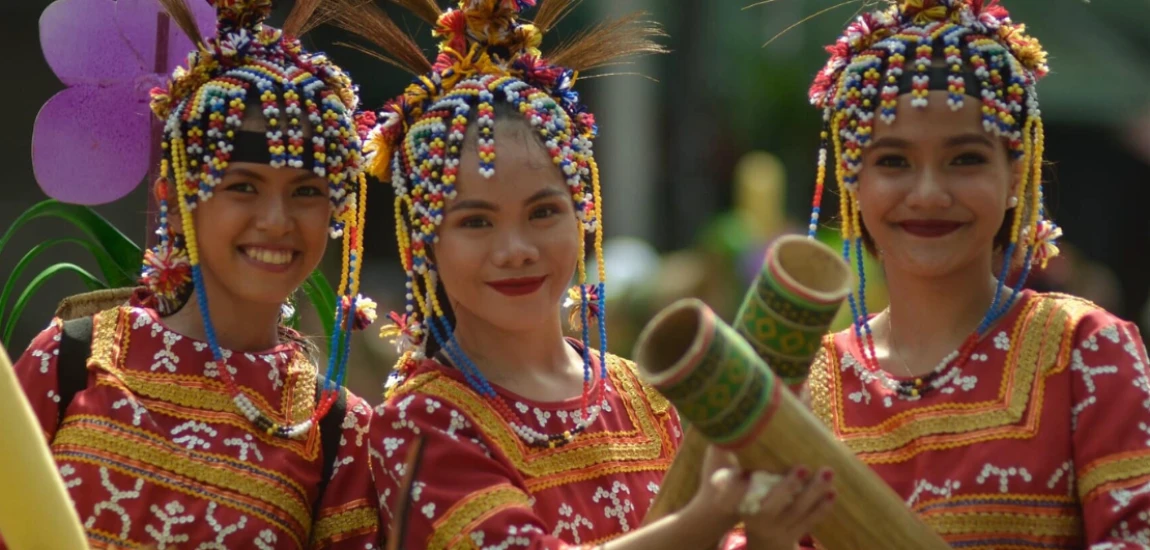
Tourism can have a powerful relationship with local culture. Visitors often travel because they want to experience something different from their everyday lives, including traditional food, music, crafts, architecture, festivals, stories, languages, and community practices. When managed responsibly, tourism can create financial and social support for maintaining these cultural assets.
However, tourism can also create cultural pressure. Traditions may become commercialized, local spaces may become overcrowded, and cultural practices may be modified primarily for visitor expectations. Communities may lose control over how their culture is presented, while younger generations may become disconnected from traditional knowledge.
Cultural Continuity Tourism offers an approach that places cultural preservation and community participation at the center of tourism development.
Instead of treating culture simply as a tourism attraction, cultural continuity tourism recognizes culture as a living part of community identity. Tourism can provide resources and opportunities that help communities continue traditions while allowing visitors to learn about them respectfully.
This approach can include traditional crafts, local cuisine, storytelling, music, dance, festivals, architecture, languages, agricultural practices, religious or community traditions, and forms of traditional knowledge where appropriate.
The goal is not to freeze culture in the past. Culture naturally evolves. The objective is to create conditions in which communities can maintain meaningful connections with their heritage while deciding how traditions develop and how they are shared with visitors.
Understanding Cultural Continuity Tourism

Cultural Continuity Tourism focuses on using tourism as a tool to support the ongoing life of local culture rather than simply presenting culture as a commercial attraction.
Culture as a Living System
Culture is not limited to museums, historic buildings, or old objects.
It includes everyday practices, language, food, clothing, music, crafts, celebrations, stories, social relationships, knowledge, and ways of interacting with the environment.
These elements change over time.
A living cultural approach recognizes that communities should have the ability to adapt traditions while maintaining meaningful connections to their heritage.
Tourism can support this process by creating markets and opportunities for cultural practitioners.
Moving Beyond Cultural Showcases
A short performance or staged cultural demonstration may provide visitors with information, but it may not capture the depth of a living culture.
Cultural continuity tourism can provide deeper experiences through workshops, community-led tours, cooking experiences, storytelling, craft demonstrations, local markets, and cultural learning programs.
Visitors can learn about the meaning behind traditions rather than simply observing them.
Giving Communities a Central Role
Local communities should have meaningful participation in cultural tourism decisions.
They can determine which traditions are appropriate to share, how stories should be presented, which cultural practices should remain private, and how tourism revenue should be distributed.
Community ownership can help prevent external commercialization from dominating cultural tourism.
Protecting Traditional Crafts and Creative Knowledge

Traditional crafts are an important part of cultural identity and can provide direct economic opportunities for local communities.
Supporting Local Artisans
Craft traditions can include weaving, pottery, embroidery, woodwork, metalwork, basketry, jewelry, textile production, painting, carving, and many other forms of creative knowledge.
Tourism can create markets for these products.
However, the economic benefit is stronger when visitors purchase authentic locally produced goods rather than mass-produced imitations.
Destination organizations can support artisans through local markets, cultural centers, online platforms, workshops, and partnerships with hotels and tourism businesses.
Creating Craft Learning Experiences
Visitors often value opportunities to participate in cultural activities.
Craft workshops can allow travelers to learn directly from artisans.
A visitor might learn basic weaving techniques, create a pottery item, prepare a traditional textile design, or participate in another suitable craft activity.
These experiences can generate income while encouraging the transmission of knowledge from experienced practitioners to younger generations.
Protecting Authentic Craft Knowledge
Commercial demand can sometimes encourage simplified or mass-produced versions of traditional crafts.
Cultural continuity tourism should therefore focus on maintaining the integrity of cultural knowledge.
Artisans and communities should have control over how designs, techniques, symbols, and cultural meanings are used.
This helps ensure that tourism contributes to cultural continuity rather than reducing traditional crafts to generic souvenirs.
Preserving Food, Language, Stories, and Traditions

Culture is often experienced through everyday activities. Food, language, storytelling, and community traditions can provide visitors with meaningful connections to local identity.
Protecting Traditional Food Culture
Food tourism can support cultural continuity by creating demand for traditional ingredients, recipes, preparation techniques, and local products.
Restaurants, food tours, cooking classes, markets, and community kitchens can introduce visitors to regional cuisine.
Traditional food experiences can also support farmers, producers, cooks, and local food businesses.
Importantly, food traditions should be presented with context. Visitors can learn where ingredients come from, how dishes developed, and why certain foods are connected to particular celebrations or communities.
Keeping Local Languages Visible
Language is a major component of cultural identity.
Tourism can create opportunities to maintain the visibility of local languages through signs, cultural interpretation, storytelling, workshops, performances, and community-led experiences.
Visitors may learn basic local words or phrases while exploring a destination.
Such experiences can create appreciation for linguistic diversity.
However, communities should determine how their languages are represented and avoid reducing complex languages to tourist entertainment.
Preserving Oral Histories and Stories
Stories carry memories between generations.
Local elders, storytellers, guides, artists, and community organizations can share histories about neighborhoods, landscapes, traditions, migration, food, crafts, and important community events.
Digital recording projects can also help preserve oral histories when managed ethically and with appropriate community consent.
Tourism can provide a reason and a platform for sharing these stories, while communities retain control over their cultural narratives.


Derek Baron, also known as "Wandering Earl," offers an authentic look at long-term travel. His blog contains travel stories, tips, and the realities of a nomadic lifestyle.
Derek Baron

Prev Post
Next Post