
Responsible Wildlife Tourism – Observing Animals While Protecting Their Natural Habitats
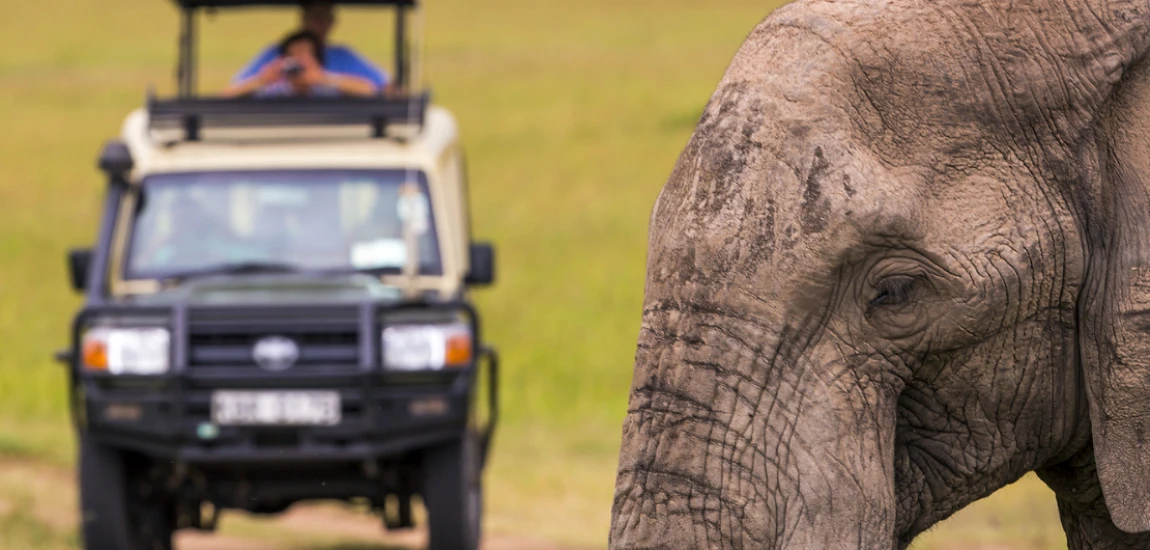
Wildlife tourism is one of the most exciting ways to experience the natural world. Seeing animals in their natural habitats can be a powerful and unforgettable travel experience. From observing elephants roaming across savannas to watching whales swim through the ocean, these encounters allow travelers to appreciate the incredible diversity of life on Earth. However, the growing popularity of wildlife tourism has also created challenges for animal welfare and environmental conservation.
This is where responsible wildlife tourism becomes essential. Responsible wildlife tourism focuses on observing animals in ways that respect their natural behaviors and protect their habitats. Instead of prioritizing entertainment or close interaction, this travel approach emphasizes ethical observation, conservation awareness, and sustainable tourism practices.
In many parts of the world, irresponsible tourism activities have disrupted ecosystems and harmed wildlife populations. Activities such as feeding animals, disturbing nesting areas, or supporting attractions that exploit animals can have long-term negative effects on wildlife.
Responsible wildlife tourism encourages travelers to choose ethical experiences that prioritize the well-being of animals. This includes visiting protected areas, supporting conservation projects, and following guidelines designed to minimize environmental impact.
By adopting responsible travel practices, visitors can enjoy extraordinary wildlife encounters while contributing to the protection of ecosystems and the survival of endangered species. This blog explores how travelers can experience wildlife responsibly while supporting conservation efforts and protecting natural habitats.
Understanding Responsible Wildlife Tourism

The Principles of Ethical Wildlife Observation
Responsible wildlife tourism is built on the principle that animals should always be observed in ways that respect their natural behaviors and environments. Ethical observation means maintaining a safe distance from animals and avoiding actions that may disturb or stress them.
Wild animals rely on their natural habitats for survival, and human interference can disrupt feeding patterns, migration routes, and breeding cycles. Responsible tourism ensures that wildlife encounters occur without interfering with these natural processes.
Travelers who follow ethical guidelines contribute to the long-term protection of wildlife populations. Observing animals respectfully allows them to behave naturally while still providing meaningful experiences for visitors.
Why Wildlife Protection Matters
Wildlife plays a critical role in maintaining the balance of ecosystems. Each species contributes to environmental stability by supporting food chains, pollination, seed dispersal, and other ecological processes.
When tourism activities harm wildlife populations, entire ecosystems can be affected. Protecting animals therefore also protects forests, oceans, grasslands, and other natural environments.
Responsible wildlife tourism helps ensure that wildlife remains healthy and habitats remain preserved for future generations.
The Role of Travelers in Conservation
Travelers have significant influence over the wildlife tourism industry. By choosing ethical tour operators and avoiding attractions that exploit animals, visitors can help promote responsible tourism practices.
Demand for ethical wildlife experiences encourages tourism businesses to adopt conservation-focused policies. Travelers therefore play an important role in shaping a more sustainable tourism industry.
Responsible choices help ensure that wildlife tourism supports conservation rather than harming it.
Observing Wildlife in Natural Habitats

The Importance of Natural Environments
The most meaningful wildlife experiences occur when animals are observed in their natural habitats. Forests, savannas, wetlands, and oceans provide the ecosystems that wildlife depends on for survival.
Observing animals in these environments allows travelers to see natural behaviors such as hunting, nesting, and migration. These authentic encounters offer deeper insight into how animals interact with their ecosystems.
Natural habitats also provide opportunities to appreciate the beauty and complexity of the environments that support wildlife populations.
Maintaining Safe Distances
One of the most important rules of responsible wildlife observation is maintaining a safe distance from animals. Approaching wildlife too closely can cause stress, disrupt natural behavior, or even create dangerous situations.
Many national parks and wildlife reserves provide guidelines for safe viewing distances. These rules help protect both animals and visitors while ensuring that wildlife encounters remain respectful and safe.
Using binoculars, cameras with zoom lenses, or guided tours allows travelers to observe animals closely without disturbing them.
Avoiding Harmful Interactions
Responsible wildlife tourism discourages direct interaction with wild animals. Feeding, touching, or attempting to attract animals for photographs can disrupt natural behavior patterns.
Animals that become accustomed to human food may lose their natural hunting instincts or become dependent on tourists. This dependency can harm wildlife populations and create safety risks.
Respectful observation ensures that animals remain wild and self-sufficient in their natural environments.
Supporting Wildlife Conservation Efforts

Visiting Protected Areas
National parks, wildlife reserves, and conservation areas are among the best places for responsible wildlife tourism. These protected environments are designed to safeguard ecosystems and support wildlife populations.
Entrance fees and tourism revenue often contribute directly to conservation programs, habitat protection, and wildlife monitoring efforts.
Visiting these areas responsibly helps fund projects that protect endangered species and maintain biodiversity.
Participating in Conservation Programs
Many destinations offer opportunities for travelers to participate in conservation activities. These programs may include wildlife monitoring, habitat restoration, or educational workshops about local ecosystems.
Participating in conservation programs allows travelers to contribute directly to environmental protection while learning more about wildlife.
These experiences often create a stronger connection between visitors and the natural world.
Supporting Ethical Wildlife Organizations
Responsible wildlife tourism also involves supporting organizations that prioritize animal welfare and conservation.
Ethical wildlife organizations focus on habitat protection, scientific research, and wildlife rehabilitation. Travelers who support these organizations help fund initiatives that protect animals and their environments.
Choosing responsible tour operators ensures that wildlife tourism contributes positively to conservation efforts.
Avoiding Harmful Wildlife Tourism Practices

Recognizing Exploitative Attractions
Unfortunately, some tourism activities exploit animals for entertainment. These attractions may involve captive animals performing tricks, posing for photos, or participating in unnatural activities.
Such practices often involve poor living conditions, limited space, and forced training methods that harm animal welfare.
Responsible travelers should research attractions carefully and avoid activities that prioritize entertainment over animal well-being.
Understanding the Impact of Animal Captivity
Captive wildlife environments can significantly affect animal health and behavior. Animals kept in small enclosures may experience stress, limited movement, and lack of natural stimulation.
Wild animals are adapted to large natural territories where they can hunt, migrate, and interact with their ecosystems. Captivity often prevents these natural behaviors.
Choosing wildlife experiences that allow animals to remain in natural environments helps protect their well-being.
Promoting Ethical Tourism Standards
Travelers can support responsible tourism by encouraging ethical standards within the industry. Sharing positive experiences with responsible tour operators helps promote businesses that prioritize conservation.
Responsible tourism also involves educating others about the importance of protecting wildlife and choosing ethical travel experiences.
Raising awareness helps create a tourism culture that values wildlife protection.


Gary Arndt operates "Everything Everywhere," a blog focusing on worldwide travel. An award-winning photographer, Gary shares stunning visuals alongside his travel tales.
Gary Arndt

Prev Post

Next Post