
Resilience Tourism: How Destinations Are Preparing for Climate, Economic, and Environmental Change
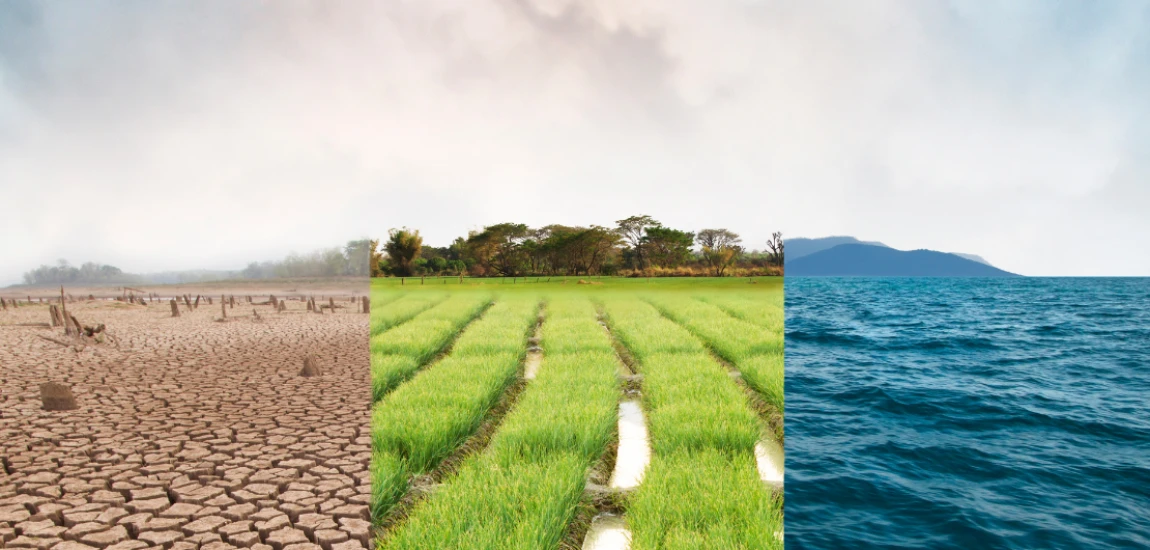
Tourism depends on stability, but the world is becoming increasingly unpredictable. Rising temperatures, extreme weather, coastal erosion, biodiversity loss, economic uncertainty, changing travel patterns, and pressure on natural resources are forcing destinations to rethink how tourism should operate.
For many destinations, resilience is no longer an optional concept. It is becoming a central part of tourism planning.
Resilience tourism focuses on preparing destinations to withstand disruption, recover from crises, adapt to changing conditions, and continue providing social and economic benefits over the long term. It goes beyond simply responding after a disaster. Instead, resilient destinations identify risks in advance and build systems that can adapt before problems become overwhelming.
This approach benefits everyone involved in tourism. Visitors can enjoy safer and more reliable experiences, local businesses can become better prepared for economic shocks, communities can protect their livelihoods, and ecosystems can be managed more responsibly.
Understanding Resilience Tourism and Why It Matters

What Is Resilience Tourism?
Resilience tourism is an approach to destination management that helps tourism communities prepare for, respond to, and recover from environmental, climate, social, and economic disruptions. It recognizes that destinations cannot control every challenge, but they can improve their ability to adapt.
A resilient destination might strengthen coastal infrastructure against storms, diversify its tourism economy, protect forests and wetlands, improve emergency communication, train tourism workers, or develop alternative attractions that remain available when certain areas are affected by climate conditions.
The goal is not to eliminate every risk. Instead, the objective is to ensure that one disruption does not completely undermine the destination's tourism system.
Tourism Faces Multiple Types of Risk
Climate change is one of the most visible risks facing tourism, but it is not the only one. Destinations can also experience economic recessions, political instability, natural disasters, infrastructure failures, public health emergencies, supply-chain disruptions, and sudden changes in visitor demand.
A destination that depends almost entirely on one type of tourist or one seasonal attraction may be particularly vulnerable.
For example, a coastal destination dependent on summer beach tourism could face major challenges if rising temperatures, coastal erosion, storms, or changing visitor preferences reduce demand.
Resilience planning encourages destinations to develop multiple strengths rather than relying on one source of tourism income.
Why Resilience Is Becoming a Tourism Priority
Tourism infrastructure often exists in places that are environmentally sensitive or exposed to climate risks. Coastal resorts, mountain communities, islands, forests, and heritage sites can all be vulnerable to changing conditions.
At the same time, tourism provides jobs and income for millions of people.
If a destination becomes unable to attract visitors after repeated disruptions, the economic consequences can extend far beyond hotels. Restaurants, guides, transportation providers, artisans, farmers, retailers, and cultural organizations may also suffer.
Building tourism resilience therefore protects both the visitor experience and the livelihoods connected to tourism.
How Destinations Are Preparing for Climate Change

Adapting Tourism Infrastructure
Climate-resilient tourism requires infrastructure that can withstand changing environmental conditions. Destinations are increasingly considering how hotels, roads, airports, ports, visitor centers, and attractions can be designed or upgraded to cope with heat, flooding, storms, drought, and other hazards.
In coastal areas, this may involve improved drainage, stronger buildings, coastal protection measures, wetland restoration, and carefully planned development.
In cities, heat-resilient tourism planning may include shaded pedestrian areas, green spaces, cooling infrastructure, and better public transportation.
Infrastructure decisions made today can influence whether a destination remains functional decades from now.
Preparing for Extreme Weather
Extreme weather can disrupt tourism almost instantly. A storm can close airports, damage roads, shut attractions, and force hotels to evacuate guests.
Resilient destinations develop emergency plans that clearly define how tourism businesses, local authorities, transportation providers, and emergency services should respond.
Communication is particularly important. Visitors need timely information about closures, evacuation procedures, transportation changes, and safety instructions.
Tourism businesses can also prepare by maintaining emergency supplies, training employees, establishing communication systems, and creating procedures for protecting guests and staff.
Adapting to Changing Seasons
Climate change may also alter the traditional tourism calendar. Some destinations could experience hotter summers, shorter snow seasons, increased wildfire risk, or changes in rainfall patterns.
Rather than continuing to depend on an increasingly unpredictable season, destinations can diversify their tourism offerings.
A mountain destination that historically relied on winter skiing, for example, can develop hiking, cycling, wellness, cultural, and nature-based experiences for other seasons.
This creates economic opportunities while reducing dependence on a single climate-sensitive activity.
Protecting Ecosystems as a Foundation for Tourism Resilience

Nature Can Act as Natural Infrastructure
Healthy ecosystems can provide valuable protection against environmental risks. Wetlands can absorb excess water, forests can help stabilize soil, mangroves can reduce coastal impacts, and healthy coral reefs can provide protection for some coastal areas.
This means ecosystem conservation is not separate from tourism resilience. It can be one of its most important foundations.
Destinations can protect natural systems through conservation areas, restoration programs, responsible development policies, and visitor management.
Protecting ecosystems also preserves the landscapes that attract travelers in the first place.
Managing Overtourism and Environmental Pressure
Too many visitors in one location can damage trails, wildlife habitats, water resources, cultural sites, and local infrastructure.
Resilient destinations are increasingly looking for ways to distribute tourism more effectively.
This can include encouraging visitors to explore lesser-known areas, introducing timed entry systems, limiting access to fragile locations, improving public transportation, or promoting travel during less crowded periods.
The objective is not simply to increase visitor numbers. A resilient destination focuses on balancing tourism demand with the long-term capacity of the environment and community.
Restoring Biodiversity
Biodiversity can increase the ecological resilience of destinations. Diverse ecosystems are often better able to withstand environmental changes than severely degraded landscapes.
Tourism can contribute to restoration through conservation fees, community-led projects, habitat restoration, responsible wildlife experiences, and partnerships between tourism businesses and environmental organizations.
Travelers can support these efforts by choosing experiences that contribute to conservation rather than those that exploit wildlife or fragile ecosystems.
When tourism helps protect nature, the destination becomes more capable of supporting tourism in the future.
Building Economic Resilience Through Tourism Diversification

Reducing Dependence on One Tourism Market
Economic resilience means ensuring that a destination does not become overly dependent on one visitor group, season, or attraction.
A destination that relies almost entirely on international visitors may struggle when global travel is disrupted. Similarly, a destination dependent on one seasonal activity may face serious problems when environmental conditions change.
Diversifying markets can create greater stability.
Destinations can attract domestic travelers, business visitors, cultural tourists, wellness travelers, adventure tourists, families, and other visitor groups where appropriate.
Different markets may travel at different times and have different interests, helping tourism businesses maintain demand throughout the year.
Supporting Small and Local Businesses
Small businesses are essential to tourism resilience because they keep economic benefits circulating within communities.
Local restaurants, guesthouses, guides, artisans, farmers, transportation providers, and activity operators often provide the experiences that make a destination distinctive.
Tourism strategies can strengthen these businesses through training, access to financing, digital marketing support, business development programs, and opportunities to participate in destination planning.
When local businesses are financially healthier, communities are better positioned to withstand tourism downturns.
Developing Year-Round Tourism
Seasonality is a major economic challenge for many destinations. Businesses may generate most of their annual income during a few months and struggle during the rest of the year.
Resilient tourism planning can encourage experiences that operate across multiple seasons.
Food tourism, cultural festivals, wellness programs, creative workshops, conferences, nature experiences, and heritage tourism can help reduce seasonal dependence.
Year-round tourism can create more stable employment and make local businesses less vulnerable to sudden changes in visitor demand.


Shivya Nath authors "The Shooting Star," a blog that covers responsible and off-the-beaten-path travel. She writes about sustainable tourism and community-based experiences.
Shivya Nath

Prev Post

Next Post