
Future of Sustainable Hotels: Smart Buildings, Renewable Energy, and Eco-Friendly Hospitality
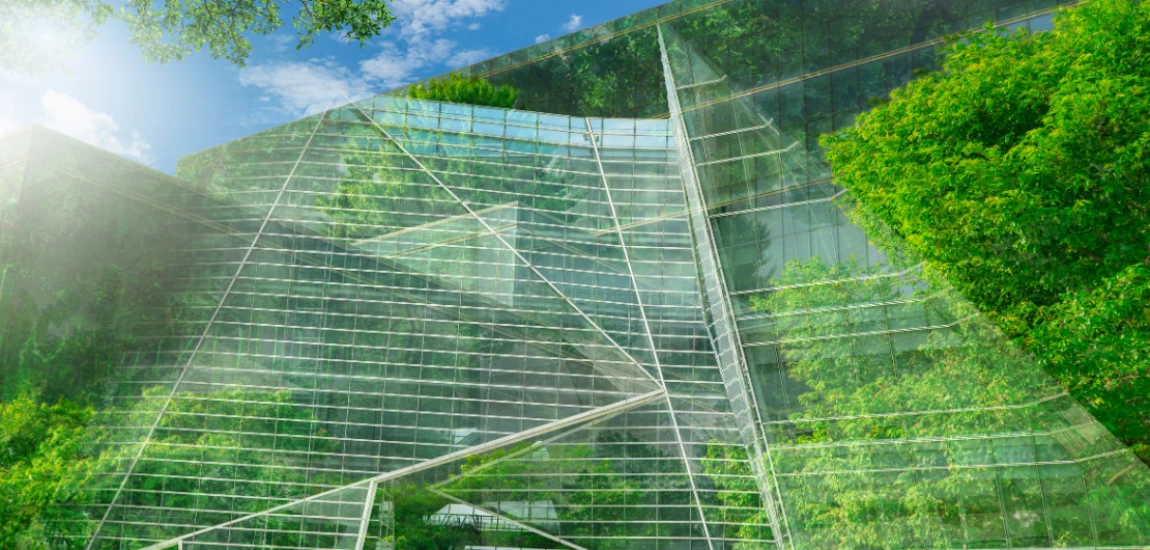
The hospitality industry is entering a major period of transformation. Hotels have traditionally been associated with comfort, convenience, and memorable experiences, but modern travelers increasingly expect those experiences to be delivered with greater environmental responsibility. Rising awareness of energy consumption, water use, waste, construction impacts, and resource efficiency is encouraging hotels to rethink how they are designed and operated.
The future of sustainable hotels is not simply about replacing plastic bottles or asking guests to reuse towels. It involves a much broader transformation of buildings, energy systems, technology, food services, transportation, water management, and guest experiences.
Smart building systems can automatically adjust lighting and temperature according to occupancy. Renewable energy can reduce dependence on conventional power sources. Energy-efficient appliances can lower consumption, while advanced water systems can reduce unnecessary waste. Sustainable materials can influence everything from construction to interior design.
At the same time, eco-friendly hospitality is becoming increasingly connected to the guest experience. Travelers may want to know where their food comes from, how a hotel manages waste, whether renewable energy is being used, and how the property supports its surrounding community.
The sustainable hotel of the future will therefore need to balance environmental performance with comfort and convenience. Sustainability should not feel like a sacrifice. Instead, technology and thoughtful design can make hotels more efficient while creating better experiences for guests.
Smart Hotel Buildings and Intelligent Energy Management

How Smart Buildings Are Changing Hospitality
Smart building technology is becoming one of the most important elements of sustainable hotel development. Modern hotels can use sensors, automation, connected systems, and data analytics to understand how buildings are being used.
For example, occupancy sensors can determine whether a guest room is occupied and adjust lighting or heating and cooling accordingly. Common areas can also respond to changing levels of activity.
This reduces the amount of energy consumed when spaces are empty while maintaining comfort when guests are present.
Smart systems can also identify unusual energy patterns. If a piece of equipment suddenly consumes more electricity than expected, hotel management can investigate the problem before it becomes a larger operational issue.
Intelligent Heating, Cooling, and Lighting
Heating, ventilation, and air conditioning systems can represent a significant portion of hotel energy consumption. Smart controls allow these systems to operate more efficiently.
Guest preferences can also be incorporated into intelligent room systems. Instead of cooling an empty room throughout the day, a hotel could reduce energy use until occupancy is detected.
Lighting systems can similarly adjust brightness according to occupancy, natural daylight, and time of day.
The result is a hotel that uses energy more strategically rather than simply consuming it continuously.
Using Data to Improve Hotel Efficiency
Data is becoming an important sustainability resource.
Hotel operators can monitor energy consumption, water use, waste generation, equipment performance, and occupancy patterns. This information can help identify opportunities for improvement.
Over time, these systems can create a feedback loop in which hotels continually adjust operations based on real-world performance.
Renewable Energy and the Transition to Low-Carbon Hotels

Solar Power for Hospitality
Solar energy is becoming increasingly relevant to hotel sustainability strategies. Hotels often have large rooftops and extensive building surfaces that can potentially support solar installations.
Solar panels can help generate electricity on-site and reduce dependence on conventional energy sources.
In some properties, solar thermal systems can also contribute to hot-water production, which is particularly relevant because hotels require substantial amounts of hot water for showers, kitchens, laundry, and other operations.
Battery Storage and Energy Resilience
Renewable energy becomes even more useful when combined with energy storage.
Battery systems can store electricity generated during periods of high renewable production and make it available when demand increases.
This can help hotels manage energy consumption more efficiently and potentially improve resilience during disruptions.
Future sustainable hotels may increasingly combine solar generation, batteries, smart energy management, and efficient building systems into integrated energy networks.
Moving Toward Cleaner Hotel Operations
Renewable energy is only one part of the transition toward lower-carbon hospitality.
Hotels can also improve efficiency through better insulation, energy-efficient equipment, heat pumps, efficient lighting, and building design that takes advantage of natural light and ventilation.
The most effective approach is often a combination of renewable energy and reduced energy demand.
Sustainable Construction and Eco-Friendly Hotel Design

Designing Buildings for Long-Term Efficiency
Sustainable hospitality begins before a hotel opens its doors.
Building orientation, insulation, window design, ventilation, landscaping, and material selection can influence energy use for decades.
Hotels designed around local climate conditions can reduce the amount of mechanical heating and cooling required.
Natural ventilation, shading, reflective surfaces, and appropriate building materials can all contribute to better performance.
Choosing Responsible Building Materials
Construction materials have environmental impacts that extend beyond the finished building.
Future hotels may increasingly prioritize recycled, reclaimed, locally sourced, renewable, or responsibly manufactured materials.
Furniture and interior elements can also be selected with durability and repairability in mind.
Instead of designing rooms around disposable trends, sustainable hotels can prioritize long-lasting materials that remain functional for many years.
Retrofitting Existing Hotels
Sustainability is not limited to new construction.
Many existing hotels can improve their environmental performance through renovations and retrofits.
Upgrades may include energy-efficient windows, improved insulation, efficient lighting, smart controls, water-saving fixtures, and modern heating and cooling systems.
Retrofitting can allow existing buildings to become more sustainable without requiring entirely new construction.
Water Conservation and Circular Hospitality Systems

Reducing Hotel Water Consumption
Hotels consume significant amounts of water through guest bathrooms, laundry, kitchens, landscaping, swimming pools, and cleaning.
Water-efficient fixtures can reduce unnecessary consumption while maintaining guest comfort.
Smart monitoring systems can also help identify leaks. A small leak that continues unnoticed can waste substantial quantities of water over time.
Recycling and Reusing Water
Future sustainable hotels may increasingly explore advanced water-management systems.
Depending on local regulations and infrastructure, treated greywater can potentially be reused for applications such as landscaping or toilet flushing.
Rainwater collection can also support certain non-potable uses.
These systems can help hotels reduce dependence on freshwater resources while making better use of water already available on the property.
Sustainable Landscaping
Hotel landscaping can have a major impact on water consumption.
Instead of maintaining lawns and ornamental plants that require extensive irrigation, properties can select native or climate-appropriate plants.
Drip irrigation, soil monitoring, rainwater collection, and smart irrigation controls can further improve efficiency.
Sustainable landscaping can therefore contribute to both environmental performance and attractive guest spaces.


Known as "Nomadic Matt," Matthew Kepnes offers practical travel advice with a focus on budget backpacking. His blog aims to help people travel cheaper and longer.
Matthew Kepnes

Prev Post

Next Post