
Regenerative Tourism Infrastructure – Building Tourism Systems That Restore Local Environments
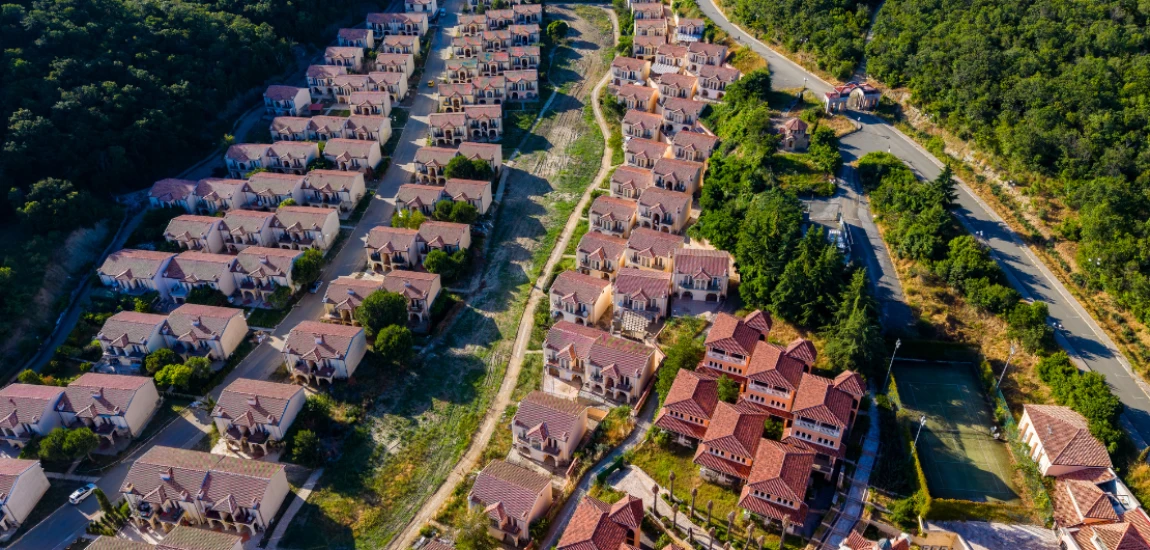
Tourism infrastructure forms the physical foundation of every destination. Hotels, transportation networks, visitor centers, restaurants, trails, public spaces, energy systems, water facilities, waste-management services, and attractions all influence how tourism operates. Traditionally, infrastructure development has often focused on accommodating increasing visitor numbers and improving convenience. However, tourism destinations now face environmental pressures such as biodiversity loss, water scarcity, climate change, pollution, habitat degradation, and resource consumption.
This has encouraged a broader approach known as Regenerative Tourism Infrastructure. Rather than designing infrastructure only to reduce environmental harm, regenerative tourism infrastructure aims to create systems that actively contribute to the restoration and improvement of local environments and communities.
The idea goes beyond simply making buildings more energy efficient or reducing waste. A regenerative tourism system considers how tourism infrastructure can restore ecosystems, improve soil and water quality, support biodiversity, strengthen local economies, reduce resource consumption, and create healthier places for both residents and visitors.
A regenerative destination might use restored wetlands to manage stormwater, renewable energy to reduce dependence on fossil fuels, recycled materials in construction, local supply chains to retain tourism revenue, ecological corridors to support biodiversity, and nature-based public spaces to improve environmental quality.
This approach changes the central question from “How can tourism reduce its impact?” to “How can tourism infrastructure contribute positively to the destination?”
Understanding Regenerative Tourism Infrastructure

Regenerative Tourism Infrastructure represents a shift in the way tourism destinations think about development. Conventional infrastructure is generally designed to provide services efficiently. Sustainable infrastructure adds environmental considerations by reducing energy use, water consumption, pollution, and waste. Regenerative infrastructure takes another step by asking how infrastructure can actively improve the natural and social systems surrounding tourism.
From Sustainable to Regenerative Infrastructure
Sustainability generally focuses on reducing negative impacts and maintaining resources for the future. Regeneration focuses on restoring systems that have already been damaged or degraded.
For example, a sustainable hotel might reduce its water consumption through efficient fixtures. A regenerative tourism project could go further by collecting and treating water, restoring a nearby wetland, reusing water for landscape restoration, and supporting local watershed health.
Similarly, a sustainable tourism facility might reduce energy consumption through solar panels. A regenerative approach could combine renewable energy with local energy production, energy storage, community ownership, and infrastructure that supports wider destination resilience.
The distinction is important because many tourism destinations already operate in environments experiencing ecological stress. Simply reducing additional damage may not be enough to restore those systems.
Infrastructure as Part of the Local Ecosystem
Regenerative infrastructure recognizes that tourism facilities do not exist separately from nature. Roads affect water drainage, buildings affect heat patterns, resorts affect water consumption, and transportation affects air quality and habitat fragmentation.
Therefore, infrastructure planning should consider relationships between tourism and surrounding ecosystems.
A coastal resort, for example, could incorporate dune restoration, native vegetation, natural drainage, and habitat protection into its design. A mountain destination could restore forests, stabilize trails using ecological methods, and manage visitor access to sensitive areas.
Infrastructure becomes part of ecological restoration rather than simply a structure placed within the environment.
Creating Long-Term Destination Value
Regenerative infrastructure can create value beyond tourism revenue. Restored landscapes can improve biodiversity, reduce flooding, improve air quality, provide recreational opportunities, and strengthen community well-being.
This makes regenerative infrastructure a long-term investment in the destination itself.
Instead of treating nature as a background attraction, regenerative tourism recognizes healthy ecosystems as essential destination assets. Protecting and restoring these assets can support tourism while also improving the quality of life for local residents.
Designing Infrastructure That Restores Local Ecosystems

One of the most important features of regenerative tourism infrastructure is its ability to contribute to ecological restoration. Tourism development can be designed around local environmental conditions instead of forcing natural systems to adapt to infrastructure.
Restoring Biodiversity Through Tourism Development
Biodiversity is essential to healthy ecosystems and can also contribute to tourism experiences. Forests, wetlands, coastal ecosystems, grasslands, rivers, and wildlife habitats often attract visitors while providing essential ecological functions.
Regenerative tourism infrastructure can incorporate biodiversity into destination planning.
Hotels and visitor facilities can use native plants instead of invasive ornamental species. Roads and trails can include wildlife crossings where appropriate. Green corridors can connect fragmented habitats. Lighting can be designed to reduce disruption to nocturnal wildlife.
These measures allow infrastructure to coexist more effectively with local ecosystems.
Tourism projects can also contribute directly to habitat restoration through native tree planting, wetland rehabilitation, reef restoration, or coastal ecosystem recovery.
Using Nature-Based Infrastructure
Nature-based infrastructure uses natural processes to provide services traditionally delivered by engineered systems.
Wetlands can help manage stormwater. Vegetated areas can reduce urban heat. Trees can provide shade and absorb carbon dioxide. Restored dunes can help protect coastal areas. Permeable surfaces can allow rainwater to enter the ground rather than immediately flowing into drainage systems.
Tourism destinations can incorporate these approaches into hotels, resorts, public spaces, transportation areas, parks, and visitor attractions.
A regenerative destination does not always need more concrete infrastructure. In some cases, restoring natural systems can provide environmental services while also creating attractive visitor experiences.
Designing With Local Ecological Conditions
There is no universal regenerative infrastructure model. Every destination has different ecosystems, climate conditions, water availability, biodiversity, geology, and community needs.
A desert destination may prioritize water conservation, native landscaping, and solar energy. A coastal destination may focus on wetlands, dunes, mangrove restoration, and climate resilience. A forest destination may prioritize habitat protection, low-impact trails, and wildfire resilience.
Understanding local environmental conditions is therefore essential before infrastructure projects are designed.
Building Circular and Resource-Efficient Tourism Systems

Regenerative tourism infrastructure also depends on responsible resource management. Tourism facilities require water, energy, materials, food, and transportation. If these resources are used inefficiently, tourism can increase pressure on local environments.
A regenerative approach seeks to create circular systems in which resources are used efficiently, reused where possible, and returned safely to natural or economic cycles.
Circular Water Systems
Water is one of the most important resources for tourism. Hotels, restaurants, swimming pools, landscaping, attractions, and sanitation systems can consume significant amounts of water.
Regenerative tourism infrastructure can incorporate rainwater collection, greywater reuse, wastewater treatment, water-efficient equipment, and drought-resistant landscaping.
Treated wastewater may be reused for appropriate non-potable purposes. Rainwater can be captured for landscaping or other suitable uses.
More advanced systems can connect tourism facilities with wider watershed restoration projects.
For example, tourism businesses could contribute financially to watershed restoration while improving their own water efficiency.
Renewable Energy and Local Energy Systems
Energy infrastructure is another major area of opportunity.
Hotels, attractions, restaurants, transportation systems, and visitor facilities can use solar, wind, geothermal, or other renewable energy sources where appropriate.
However, regenerative energy planning can extend beyond installing renewable technology. Destinations can consider local energy generation, energy storage, efficient buildings, smart energy management, and community participation.
A destination with decentralized renewable energy may become more resilient to grid disruptions while reducing emissions.
Energy-efficient buildings can also improve visitor comfort by reducing excessive heat and cooling requirements.
Circular Materials and Waste Management
Construction and tourism operations require large amounts of materials. Regenerative infrastructure can reduce waste by using recycled, reclaimed, locally sourced, durable, and responsibly produced materials.
Buildings can be designed for repair, adaptation, reuse, and eventual disassembly.
Tourism destinations can also develop better systems for food waste, packaging, recycling, composting, and material recovery.
Instead of treating waste as something that must simply be removed, circular tourism infrastructure considers whether materials can be reused or returned to productive systems.
Supporting Local Communities Through Regenerative Infrastructure

Regenerative tourism is not only about restoring nature. Local communities are equally important to destination health. Infrastructure decisions influence employment, access to services, local businesses, mobility, public spaces, housing, and cultural identity.
Creating Local Economic Opportunities
Tourism infrastructure can either concentrate economic benefits or distribute them across local communities.
Regenerative infrastructure can prioritize local contractors, builders, suppliers, farmers, artisans, food producers, maintenance workers, and service providers.
Using local supply chains can keep a larger share of tourism spending within the destination.
For example, a regenerative hotel development could source food from nearby farmers, furniture from local craftspeople, construction materials from regional suppliers, and maintenance services from local businesses.
This creates economic connections between tourism infrastructure and the wider community.
Designing Infrastructure With Community Participation
Infrastructure projects are more likely to reflect local priorities when residents participate in planning.
Community consultation can identify concerns about water use, traffic, public spaces, environmental impacts, employment, cultural heritage, and access to resources.
Participation should not be limited to asking for opinions after major decisions have already been made. Local communities can contribute during the earliest stages of project planning.
Community knowledge can also provide information that technical datasets may not capture, such as seasonal flooding patterns, traditional resource-management practices, important cultural sites, or changes in local ecosystems.
Protecting Cultural Identity and Place
Regenerative infrastructure should strengthen the identity of a destination rather than making different places look increasingly similar.
Architecture, public spaces, visitor centers, trails, cultural facilities, and tourism developments can incorporate local materials, design traditions, cultural knowledge, and community narratives where appropriate.
This creates a stronger relationship between tourism infrastructure and the place itself.
Cultural preservation can also support tourism by creating meaningful experiences while helping communities maintain important traditions and local identity.


Anil Polat, behind the blog "FoxNomad," combines technology and travel. A computer security engineer by profession, he focuses on the tech aspects of travel.
Anil Polat

Prev Post
Next Post