
Cultural Resilience Tourism – Supporting Traditions and Cultural Identity Through Tourism
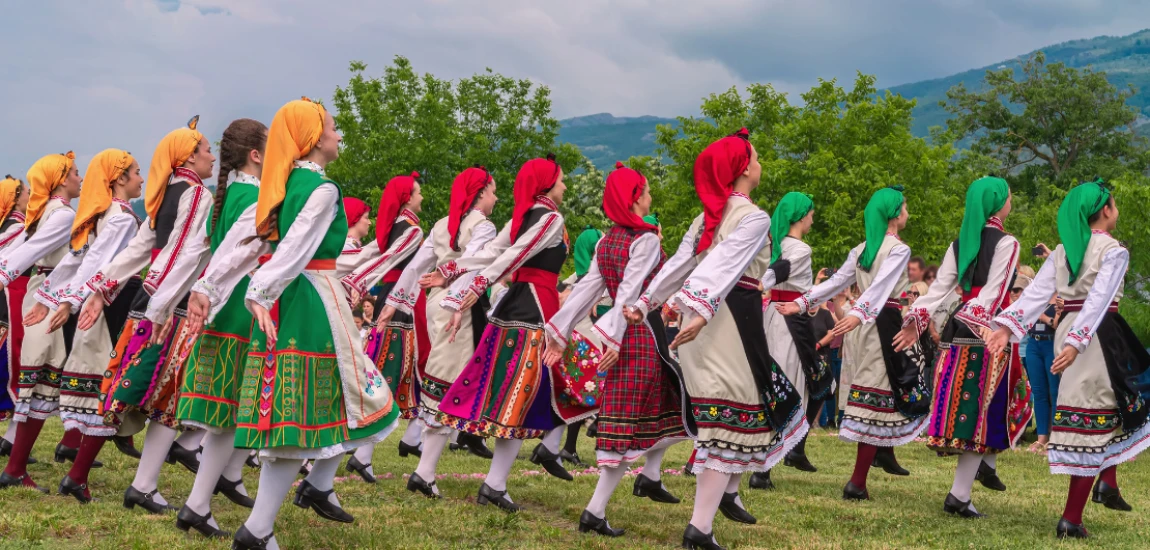
Tourism can create valuable opportunities for communities to share their traditions, stories, food, crafts, music, languages, festivals, and ways of life with visitors. At the same time, rapid tourism growth can place pressure on cultural identity. Traditional practices may become commercialized, local spaces may change, and communities may feel disconnected from the cultural resources that make their destinations unique.
Cultural Resilience Tourism offers an approach that connects tourism with the protection, continuation, and revitalization of local culture. Rather than treating culture simply as a product for visitors, it recognizes local communities as important custodians and decision-makers.
Cultural resilience means that communities have the ability to maintain their identity while adapting to social, economic, environmental, and technological changes. Tourism can support this resilience when it provides resources and opportunities for cultural continuity without forcing traditions to change solely for visitor demand.
For example, tourism can create markets for traditional crafts, support local artists, fund heritage preservation, encourage younger generations to learn traditional skills, and provide opportunities for communities to share cultural knowledge on their own terms.
However, responsible cultural tourism requires balance. Not every tradition should be turned into a tourism attraction, and communities should have the ability to decide what can be shared publicly and what should remain private or sacred.
When designed carefully, Cultural Resilience Tourism can create meaningful experiences for visitors while strengthening the cultural identity and economic opportunities of host communities.
Understanding Cultural Resilience Tourism

What Cultural Resilience Tourism Means
Cultural Resilience Tourism is a tourism approach that supports the ability of communities to preserve, adapt, and continue their cultural traditions while participating in tourism.
It focuses on living culture rather than treating heritage as something frozen in the past. Traditions naturally evolve, and communities may adapt cultural practices as circumstances change.
Tourism can provide resources for this process by creating opportunities for local artists, craftspeople, performers, storytellers, chefs, guides, and cultural organizations.
The central principle is community participation. Local people should have a meaningful role in deciding how their culture is represented and how tourism affects it.
Why Cultural Identity Matters
Cultural identity gives destinations a distinctive character. Architecture, language, cuisine, music, clothing, crafts, celebrations, stories, and traditional knowledge all contribute to a sense of place.
For visitors, these cultural elements can create memorable experiences. For communities, they can reinforce connections between generations and strengthen local pride.
Protecting cultural identity therefore benefits both residents and tourism.
Building Resilience Through Tourism
Tourism can support cultural resilience when economic benefits are connected to cultural continuity.
A craft cooperative, for example, may generate income while encouraging younger people to learn traditional production techniques. A community-led cultural center can create employment while preserving local stories.
The goal is to make culture part of a living community economy rather than simply displaying it for visitors.
Protecting Traditional Knowledge, Crafts, and Skills

Supporting Traditional Crafts
Traditional crafts can be vulnerable when younger generations move toward other occupations or when handmade products struggle to compete with mass-produced alternatives.
Tourism can provide new markets for local crafts by connecting artisans with visitors, hotels, cultural centers, museums, and online marketplaces.
However, authenticity and fair compensation are important. Artisans should receive an appropriate share of the value created by their work.
Tourism businesses can also explain the cultural meaning and production process behind crafts, helping visitors appreciate them beyond their decorative value.
Encouraging Intergenerational Learning
Cultural resilience depends heavily on knowledge transfer between generations.
Older community members may possess knowledge about weaving, pottery, music, agriculture, cooking, storytelling, traditional architecture, or local environmental practices.
Tourism programs can create opportunities for this knowledge to be passed to younger generations through workshops, apprenticeships, demonstrations, and community education.
This transforms tourism into a potential support mechanism for cultural learning.
Protecting Traditional Knowledge From Misuse
Not all cultural knowledge should be freely commercialized.
Some traditions, symbols, ceremonies, designs, stories, or forms of knowledge may have cultural or spiritual significance.
Tourism organizations should work with communities to determine what can be shared, how it should be presented, and who has the authority to share it.
Respectful boundaries help prevent cultural exploitation and strengthen trust between communities and tourism operators.
Strengthening Local Communities Through Cultural Tourism

Creating Community-Led Tourism
Community participation is central to Cultural Resilience Tourism.
Local residents can lead walking tours, cultural workshops, food experiences, storytelling programs, craft demonstrations, heritage visits, and community festivals.
Community-led tourism allows residents to present their culture in their own voices rather than relying entirely on external tourism companies.
It can also create local employment and entrepreneurship opportunities.
Keeping Cultural Tourism Income Local
Tourism revenue can support cultural resilience when income remains within communities.
Visitors may spend money on local food, crafts, guides, accommodation, transportation, performances, and cultural activities.
When these services are locally owned, tourism spending can help support households and community organizations.
Revenue can also be reinvested into cultural preservation, education, community spaces, and heritage projects.
Giving Communities Decision-Making Power
Economic participation alone is not enough. Communities should have influence over how tourism develops around their cultural resources.
Local tourism committees, cultural organizations, cooperatives, and community representatives can participate in decisions about visitor numbers, cultural events, photography policies, commercial activities, and the use of cultural spaces.
This can help ensure that tourism development reflects local priorities.


Gilbert Ott, the man behind "God Save the Points," specializes in travel deals and luxury travel. He provides expert advice on utilizing rewards and finding travel discounts.
Gilbert Ott
Prev Post
Next Post