
Regenerative Tourism and Biodiversity Networks – Restoring Ecosystems Through Responsible Tourism
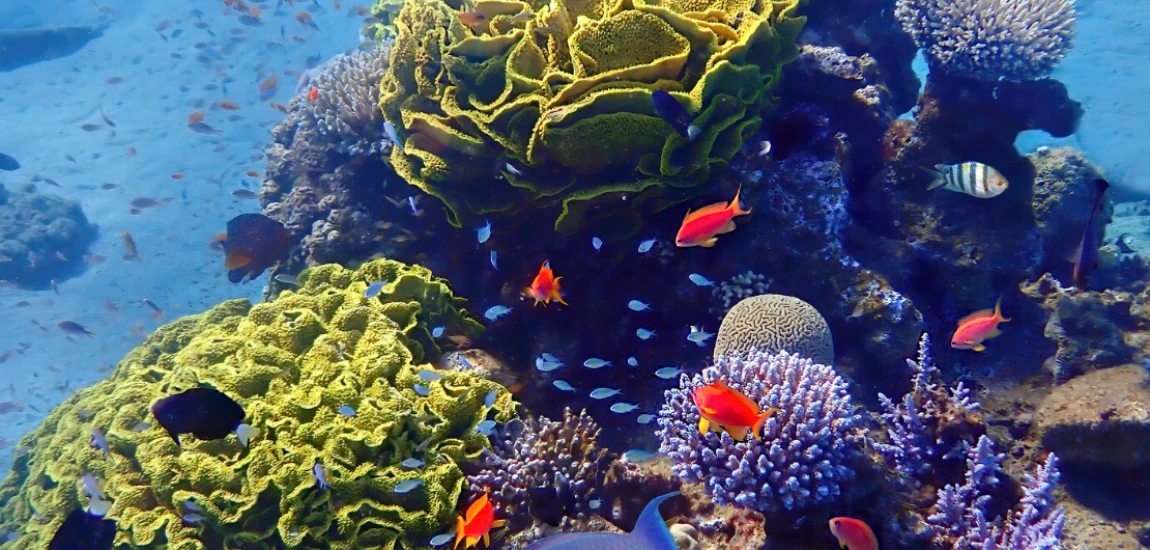
Regenerative Tourism and Biodiversity Networks: Restoring Ecosystems Through Responsible Tourism
Tourism can do more than provide memorable experiences; it can also help repair environmental damage, protect wildlife, and restore natural habitats. Around the world, forests, oceans, mountains, wetlands, and other ecosystems face growing pressure from pollution, habitat destruction, climate change, and uncontrolled visitor activity. Regenerative tourism offers a forward-looking approach that aims to leave destinations healthier than they were before visitors arrived.
Regenerative tourism and biodiversity networks connect travelers, local communities, conservation organizations, tourism businesses, and environmental experts to protect nature while supporting sustainable economic development. Instead of focusing only on reducing tourism's negative effects, this approach encourages visitors and businesses to contribute positively to ecosystems and local livelihoods.
From restoring coral reefs to planting native forests and protecting endangered species, regenerative tourism creates opportunities for meaningful travel. By understanding how these networks work, travelers can make responsible choices that benefit both the environment and the communities that depend on it.
Understanding Regenerative Tourism and Biodiversity Networks

What Is Regenerative Tourism?
Regenerative tourism is a travel approach that seeks to improve the environmental, social, and economic health of destinations. Traditional sustainable tourism generally focuses on minimizing harm, such as reducing waste, conserving energy, and limiting pollution. Regenerative tourism takes the idea further by actively restoring damaged ecosystems, rebuilding natural resources, and strengthening local communities.
For example, a nature-based tourism business might organize guided wildlife experiences while contributing a portion of its income to habitat restoration. Visitors could participate in native tree planting, beach cleanups, or educational conservation activities. These experiences help travelers understand the relationship between tourism and environmental protection.
How Biodiversity Networks Work
Biodiversity networks are connected systems of natural habitats, conservation groups, research institutions, community organizations, and responsible tourism businesses. They help coordinate efforts to protect species, restore ecosystems, and maintain ecological connections between different landscapes.
Wildlife corridors, protected forests, wetlands, and marine conservation zones can all form part of these networks. When these areas are managed collaboratively, animals can move between habitats, plant species can spread naturally, and ecosystems can become more resilient to environmental changes.
Why These Networks Matter
Tourism destinations rarely exist in isolation from surrounding ecosystems. A beach depends on healthy marine habitats, while a mountain destination relies on forests, clean water, and wildlife. Biodiversity networks recognize these connections and encourage tourism planning that protects entire ecological systems rather than individual attractions.
When tourism businesses, residents, and conservation experts work together, they can create stronger environmental protection strategies. This collaboration also helps destinations maintain their natural appeal for future generations.
Restoring Natural Habitats Through Responsible Tourism

Rebuilding Forests and Natural Landscapes
Deforestation, agricultural expansion, construction, and unsustainable land use can damage natural habitats. Regenerative tourism can help reverse some of these impacts by supporting native tree planting, forest restoration, and responsible land management.
Tour operators may collaborate with local conservation organizations to fund restoration projects or provide visitors with opportunities to learn about native plant species. However, successful restoration requires more than planting trees. Projects should prioritize appropriate native species, protect existing vegetation, and monitor the long-term health of restored areas.
Tourism income can also help pay for habitat maintenance, environmental education, and conservation staff. These investments create incentives to preserve landscapes rather than replace them with environmentally damaging developments.
Protecting Wetlands and Marine Ecosystems
Wetlands, coral reefs, mangroves, and seagrass beds provide essential ecological services. They support wildlife, protect coastlines, store carbon, and help maintain water quality. Unfortunately, pollution, coastal construction, and careless tourism activities can threaten these valuable environments.
Responsible tourism operators can support mangrove restoration, reef monitoring, and wetland conservation programs. Visitors can choose guided activities that follow ecological guidelines and avoid disturbing sensitive habitats.
For example, snorkeling operators can educate tourists about coral protection and prevent harmful contact with reefs. Coastal accommodation providers can reduce plastic waste and support local initiatives that protect marine life.
Measuring Restoration Success
Habitat restoration should be evaluated through measurable environmental outcomes. Tourism businesses and conservation partners can monitor vegetation growth, wildlife populations, water quality, and habitat recovery over time.
These measurements help organizations identify successful strategies and improve projects that are not producing the expected results. Transparent reporting also allows travelers to understand how their spending contributes to real conservation outcomes.
Protecting Wildlife and Supporting Biodiversity Conservation

Creating Safer Wildlife Experiences
Wildlife tourism can generate important funding for conservation, but poorly managed activities may cause stress, disrupt feeding patterns, and damage animal habitats. Regenerative tourism prioritizes wildlife welfare and encourages visitors to observe animals without interfering with their natural behavior.
Responsible operators maintain suitable viewing distances, follow seasonal restrictions, and avoid activities that involve forced animal interactions. They also educate visitors about animal behavior, habitat needs, and conservation challenges.
Travelers should choose ethical wildlife experiences that prioritize observation in natural environments. They should avoid attractions that encourage handling wild animals, inappropriate feeding, or performances that compromise animal welfare.
Protecting Endangered Species
Tourism revenue can help finance anti-poaching initiatives, habitat monitoring, wildlife rescue programs, and conservation research. In destinations where communities receive meaningful benefits from responsible tourism, protecting wildlife may become a valuable source of local income.
Community-based wildlife tourism can create jobs for guides, rangers, researchers, and hospitality workers. These opportunities can strengthen local support for conservation while reducing dependence on activities that damage habitats.
However, wildlife protection requires careful management. Tourism development must not increase disturbance in breeding areas or expose vulnerable species to excessive visitor traffic.
Connecting Habitats Through Wildlife Corridors
Wildlife corridors connect separated habitats and allow animals to move between feeding, breeding, and shelter areas. Roads, buildings, farms, and other forms of development can fragment landscapes, making these connections increasingly important.
Biodiversity networks help conservation groups identify and protect essential ecological corridors. Tourism planners can support these efforts by avoiding sensitive development zones and investing in landscape restoration.
Maintaining connected habitats improves ecosystem resilience and supports genetic diversity. It also helps destinations protect the wildlife that attracts responsible nature travelers in the first place.


Gary Arndt operates "Everything Everywhere," a blog focusing on worldwide travel. An award-winning photographer, Gary shares stunning visuals alongside his travel tales.
Gary Arndt

Prev Post

Next Post