
Regenerative Cultural Tourism Innovation: Preserving Living Traditions and Empowering Local Communities
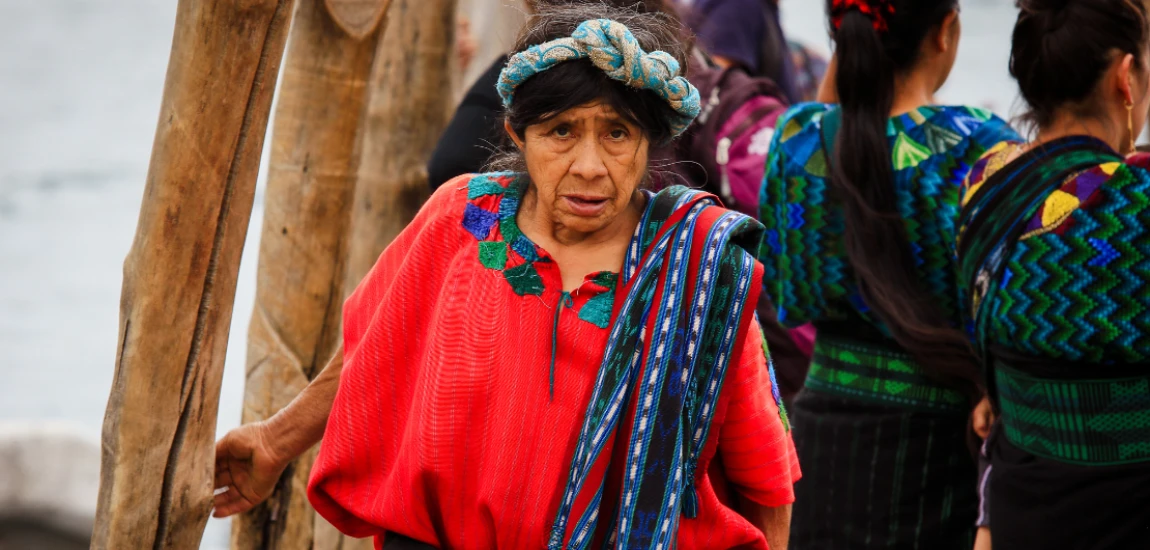
Culture is one of the most powerful reasons people travel. Visitors explore historic neighborhoods, attend traditional festivals, learn regional cooking techniques, discover handmade crafts, and connect with communities whose knowledge has been passed down through generations. However, tourism can also place cultural traditions under pressure when commercial demand encourages staged performances, mass-produced souvenirs, and experiences that overlook local values.
Regenerative Cultural Tourism Innovation offers a different approach. It focuses on developing tourism experiences that actively contribute to cultural preservation, strengthen community identity, support local livelihoods, and encourage the continuation of living traditions. Rather than simply minimizing tourism's negative effects, regenerative cultural tourism aims to leave communities and their cultural environments stronger.
This approach recognizes that culture is not limited to monuments, museums, or historical buildings. It also includes languages, oral histories, traditional food, music, craftsmanship, ceremonies, agricultural knowledge, and everyday practices that shape community life.
Through community-led tourism, artisan partnerships, immersive learning experiences, and responsible digital innovation, destinations can create meaningful connections between visitors and local cultures. Travelers gain deeper insights into cultural heritage, while communities retain greater control over how their traditions are shared and sustained.
Regenerative cultural tourism innovation therefore provides an opportunity to connect tourism development with cultural continuity, economic resilience, and intergenerational knowledge transfer.
Understanding Regenerative Cultural Tourism Innovation

Moving Beyond Traditional Cultural Tourism
Traditional cultural tourism often focuses on attracting visitors to historic landmarks, museums, festivals, and performances. These activities can generate income and increase awareness of cultural heritage, but their benefits are not always distributed fairly.
Regenerative cultural tourism takes a broader approach by asking how tourism can actively support the communities responsible for maintaining cultural traditions. It encourages investment in local skills, heritage preservation, community enterprises, and opportunities for younger generations to learn from cultural practitioners.
For example, instead of selling inexpensive souvenirs manufactured elsewhere, a destination could develop workshops where visitors learn about locally produced textiles and purchase authentic handmade products directly from artisans.
This approach transforms cultural tourism from a primarily visitor-focused activity into a partnership between travelers, cultural practitioners, businesses, and residents.
Recognizing Culture as Living Heritage
Living cultural heritage includes the knowledge, skills, expressions, and practices that communities continue to use and transmit. Traditional music, storytelling, weaving, pottery, regional cuisine, and seasonal celebrations are examples of practices that evolve over time.
Preserving living heritage does not mean freezing traditions in the past. Communities may adapt materials, techniques, or performances while maintaining the cultural meanings that make them significant.
Tourism can support this continuity by creating opportunities for practitioners to teach, demonstrate, and share their knowledge on terms they consider appropriate.
However, not every tradition should automatically become a tourist attraction. Sacred ceremonies, private community practices, and sensitive cultural knowledge may need to remain outside commercial tourism.
Why Innovation Matters
Innovation in regenerative cultural tourism is not limited to digital technology. It also includes new business models, community partnerships, educational experiences, and fairer ways of distributing tourism revenue.
Destinations can develop artisan cooperatives, cultural learning programs, community-owned tours, and partnerships between schools and heritage practitioners.
The goal is to make cultural preservation economically viable without allowing tourism demand to dictate the meaning or direction of local traditions.
When communities lead the process, regenerative cultural tourism innovation can strengthen cultural identity while creating valuable and distinctive travel experiences.
Empowering Local Artisans and Traditional Knowledge Holders

Creating Sustainable Opportunities for Artisans
Local artisans preserve valuable skills through activities such as embroidery, pottery, woodworking, weaving, metalwork, jewelry making, and traditional textile production. Yet many craftspeople face challenges from inexpensive mass-produced goods, limited market access, and declining interest among younger generations.
Regenerative cultural tourism can help address these challenges by connecting artisans with visitors seeking authentic cultural experiences.
Destinations can organize craft workshops, artisan market visits, guided studio tours, and demonstrations that explain the materials, techniques, and cultural stories behind handmade products.
For example, visitors might learn how a traditional textile pattern is created, observe the preparation of natural dyes, or participate in a supervised pottery workshop.
These activities provide artisans with additional income while allowing travelers to understand the time, expertise, and cultural significance involved in producing handmade goods.
Ensuring Fair Compensation and Ownership
Artisan participation should create meaningful economic benefits rather than relying on unpaid demonstrations or unfair commercial arrangements.
Tourism businesses should establish transparent fees, fair product prices, clear licensing agreements, and appropriate payment for teaching and storytelling. Artisans should also retain ownership of their designs, techniques, and intellectual property wherever applicable.
Community cooperatives can strengthen bargaining power by helping craftspeople coordinate marketing, organize workshops, and negotiate with tour operators.
Destinations should avoid presenting handmade products as authentic local crafts when they are mass-produced elsewhere. Clear product information helps visitors make informed purchases and protects the reputation of local artisans.
Encouraging Intergenerational Knowledge Transfer
Traditional knowledge can decline when younger people see few opportunities to earn a living through cultural skills. Tourism can help create new pathways for apprenticeships and practical learning.
Experienced craftspeople can mentor younger artisans through paid training programs, community workshops, and collaborative product development.
Schools and cultural organizations can also introduce students to local craftsmanship, storytelling, and traditional materials.
The objective is not to force younger generations to maintain every practice unchanged. Instead, it is to ensure that knowledge remains available, respected, and economically meaningful for those who choose to continue it.
Designing Authentic and Immersive Cultural Experiences

Developing Community-Led Cultural Activities
Authentic cultural experiences allow travelers to learn from people who understand the history, values, and everyday practices of a place.
Community-led walking tours, cooking classes, storytelling sessions, craft workshops, and visits to locally managed cultural spaces can provide these opportunities.
For example, a food-focused tourism experience might introduce visitors to regional ingredients, traditional preparation methods, family recipes, and the cultural significance of shared meals.
Local residents should help design these activities, determine appropriate visitor behavior, and decide which stories or practices can be shared publicly.
Community leadership ensures that experiences reflect local perspectives rather than relying on stereotypes or simplified narratives created solely for tourists.
Balancing Visitor Participation with Cultural Respect
Immersive tourism should encourage meaningful participation without treating cultural traditions as entertainment available on demand.
Visitors may need guidance about photography, dress expectations, religious spaces, personal boundaries, or participation in ceremonies. Clear explanations can prevent misunderstandings and help protect community dignity.
Tour operators should also establish appropriate group sizes and schedules. Excessive visitor numbers may disrupt everyday life, damage sensitive sites, or make cultural practitioners feel pressured to perform.
Some activities should remain observation-based, while others can invite hands-on participation under local guidance.
The right balance depends on the tradition, community preferences, and the purpose of the experience.
Creating Memorable Learning Opportunities
Cultural tourism becomes more meaningful when travelers understand the stories behind what they see.
Guides can explain the origins of local architectural styles, the symbolism of traditional patterns, the history of regional dishes, or the social role of seasonal celebrations.
Interpretation should be accurate, accessible, and developed with cultural practitioners. Visitors should also have opportunities to ask questions and reflect on what they learn.
These experiences can encourage respect for cultural diversity while providing local communities with opportunities to share knowledge on their own terms.
Using Digital Innovation to Protect and Share Cultural Heritage

Digital Storytelling and Cultural Archives
Digital platforms can help communities preserve oral histories, photographs, traditional songs, craft knowledge, and accounts of important cultural events.
Community-managed archives allow cultural practitioners to document knowledge and make selected materials available for education and tourism interpretation.
For example, a heritage walking tour could use QR codes to connect visitors with recorded stories from local historians, artisans, or residents who have volunteered to participate.
Digital storytelling can also help younger generations engage with their heritage through videos, podcasts, interactive maps, and educational resources.
However, communities should decide what can be recorded, published, or shared. Sensitive knowledge should not be digitized without appropriate permission and safeguards.
Augmented Reality and Interactive Experiences
Augmented reality (AR), virtual reality (VR), and interactive digital exhibits can help visitors understand cultural places and historical processes.
An AR experience might illustrate how a historic building changed over time, while a virtual exhibit could demonstrate a traditional craft technique before visitors attend an in-person workshop.
These technologies can improve accessibility and provide context when physical sites are fragile or difficult to visit.
Nevertheless, digital interpretation should complement living cultural practices rather than replace the people who sustain them. Local guides, artisans, performers, and knowledge holders remain essential to meaningful cultural exchange.
Protecting Cultural Ownership and Digital Rights
Digital visibility can create opportunities, but it can also expose cultural expressions to unauthorized copying or commercial exploitation.
Tourism organizations should obtain informed permission before recording performances, reproducing traditional designs, or publishing community stories.
Clear agreements should address ownership, permitted uses, payment, attribution, and the ability to withdraw permission where appropriate.
Community-controlled digital platforms and responsible licensing arrangements can help cultural practitioners benefit from their contributions.
Innovation is most valuable when it strengthens community authority over cultural representation rather than transferring control to outside businesses.


Shivya Nath authors "The Shooting Star," a blog that covers responsible and off-the-beaten-path travel. She writes about sustainable tourism and community-based experiences.
Shivya Nath

Prev Post

Next Post