
Tourism Resource Recovery Intelligence: Building a More Sustainable Tourism Industry
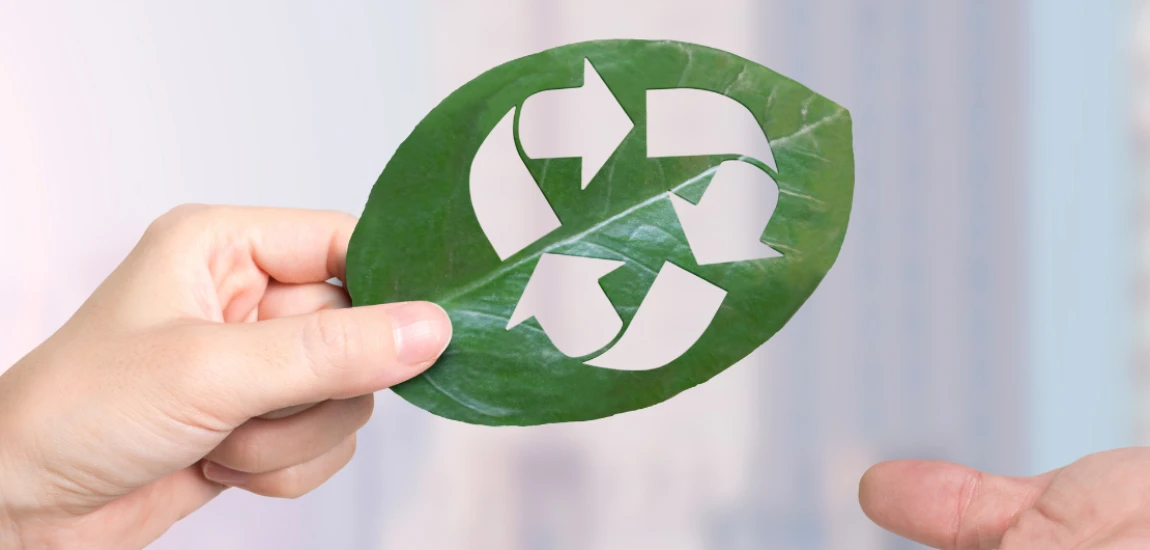
Tourism depends on a wide range of resources, including water, electricity, food, construction materials, transportation fuels, and everyday supplies. Hotels require water for guest rooms and laundry, restaurants purchase ingredients for thousands of meals, and attractions consume energy to operate lighting, cooling, and visitor facilities. When these resources are poorly managed, valuable materials are wasted, operating costs increase, and environmental pressures become more severe.
Tourism Resource Recovery Intelligence offers a strategic approach to identifying where resources are lost and how they can be recovered, reused, or redirected into productive activities. It combines resource monitoring, data analytics, waste tracking, circular economy principles, and operational planning to help tourism businesses make better decisions.
For example, a hotel may use water monitoring systems to identify excessive consumption, redirect suitable recovered water toward landscaping, and analyze food waste to improve purchasing decisions. A resort may recover heat from cooling equipment, while a restaurant partners with an approved food recovery organization to redistribute safe surplus meals.
These actions can reduce environmental impacts while improving operational efficiency and strengthening destination resilience. However, resource recovery must be planned carefully to protect public health, meet local regulations, and avoid creating new environmental problems.
By treating waste as a potential resource and using reliable information to guide decisions, tourism organizations can move toward more circular, cost-effective, and environmentally responsible operations.
Understanding Tourism Resource Recovery Intelligence

What Is Tourism Resource Recovery Intelligence?
Tourism resource recovery intelligence is the process of collecting and analyzing information about resource use, waste generation, and recovery opportunities across tourism operations.
It helps businesses understand how much water, energy, food, and material they consume, where losses occur, and which resources could be reused or recovered safely.
The approach may combine smart meters, inventory records, waste audits, building management systems, purchasing data, and sustainability reporting tools.
For example, a hotel could compare water consumption across guest rooms, laundry facilities, kitchens, and outdoor areas. This information might reveal that a leaking irrigation system or inefficient laundry process is responsible for unusually high water use.
Rather than relying on general sustainability advice, managers can use measured information to identify specific improvements and evaluate their results.
Why Resource Recovery Matters in Tourism
Tourism destinations often experience changing demand throughout the year. During peak seasons, hotels, restaurants, transport services, and attractions may consume substantially more resources than they do during quieter periods.
If demand increases without effective resource planning, destinations may experience water shortages, higher energy costs, overflowing waste facilities, and additional pressure on local infrastructure.
Resource recovery helps reduce unnecessary demand on these systems. Reusing suitable water, recovering waste heat, preventing food waste, and recycling materials can reduce the need for new resources.
These improvements are particularly important in destinations with limited water supplies, fragile ecosystems, or expensive waste disposal.
Connecting Data With Practical Action
Collecting resource data is only the beginning. Tourism businesses must translate their findings into operational decisions.
A useful recovery strategy identifies a measurable problem, evaluates possible solutions, assigns responsibility, and tracks progress over time.
For example, a restaurant might weigh food waste daily, identify frequently discarded ingredients, adjust purchasing quantities, and monitor whether the changes reduce waste without compromising menu availability.
Managers should compare recovery opportunities according to cost, environmental benefit, feasibility, and safety.
This approach turns sustainability from a broad ambition into a practical management process that supports continuous improvement.
Recovering and Reusing Water Across Tourism Operations

Identifying Water Losses and Recovery Opportunities
Water is essential to tourism operations, particularly in hotels, resorts, spas, golf facilities, restaurants, and destinations located in dry climates.
However, water can be lost through leaking pipes, inefficient fixtures, excessive irrigation, laundry processes, and unnecessary cleaning practices.
Smart meters and submetering can help identify unusually high consumption in specific buildings or departments. Comparing usage with occupancy and operating schedules can reveal whether water demand is reasonable for the level of activity.
Tourism businesses should begin with a water audit that identifies major consumption points and evaluates existing plumbing, equipment, and maintenance practices.
Fixing leaks and installing efficient fixtures often provide straightforward benefits before more complex recovery infrastructure is introduced.
Using Recovered Water Safely
Suitable wastewater streams can sometimes be treated and reused for approved non-drinking purposes.
For example, appropriately treated greywater from showers and washbasins may be suitable for certain toilet-flushing or irrigation applications, depending on local regulations and system design.
Treated wastewater may also support landscaping or other approved uses when treatment quality and monitoring requirements are satisfied.
However, not every water source is suitable for every purpose. Kitchen wastewater, industrial cleaning water, and other contaminated streams may require different treatment processes.
Recovered water systems must include suitable treatment, separate distribution infrastructure where required, monitoring, and safeguards against cross-connections with drinking-water supplies.
Tourism businesses should work with qualified specialists and follow applicable public health and environmental standards.
Measuring Water Recovery Performance
Water recovery programs should be assessed using clear indicators, such as total water consumption, recovered water volume, leakage rates, and water use per occupied room or visitor.
These measurements help managers distinguish between improvements caused by recovery systems and changes caused by occupancy or weather.
A resort, for example, might track how much treated water replaces potable water used for approved landscaping purposes.
Organizations should also monitor treatment performance, maintenance costs, and any environmental risks associated with the recovered water.
Combining conservation with safe reuse helps tourism businesses reduce pressure on freshwater supplies and improve long-term water resilience.
Recovering Energy and Improving Energy Efficiency

Identifying Energy Waste
Tourism buildings use energy for heating, cooling, lighting, refrigeration, laundry, kitchens, elevators, and entertainment facilities.
Energy waste can occur when equipment runs unnecessarily, buildings are poorly insulated, refrigeration systems are inefficient, or heating and cooling operate without considering occupancy.
Smart energy meters and building management systems can help identify unusual consumption patterns and equipment that performs poorly.
For example, a hotel might discover that air conditioning continues to operate at full capacity in unoccupied meeting rooms. Adjusting controls and schedules could reduce consumption without affecting guest comfort.
Energy audits should examine both equipment performance and operating procedures, because staff routines and maintenance practices can influence energy demand significantly.
Recovering Waste Heat
Many tourism operations release heat that could potentially be reused instead of being lost to the surrounding environment.
Commercial refrigeration systems, air-conditioning equipment, laundry facilities, and industrial kitchens may generate recoverable heat.
Depending on the equipment and temperature requirements, heat exchangers or heat recovery systems can redirect suitable waste heat toward water preheating, space heating, or other compatible processes.
For example, a hotel might recover heat from refrigeration equipment to help preheat water used in laundry or guest facilities.
Feasibility depends on the quantity and temperature of available heat, the distance between heat sources and uses, installation costs, and operating schedules.
A technical assessment can determine whether recovery equipment is likely to produce meaningful savings.
Combining Recovery With Renewable Energy
Renewable energy can complement resource recovery by reducing reliance on fossil fuels.
Solar photovoltaic systems may supply electricity, while solar thermal systems can provide heat for suitable water-heating applications. Battery storage and intelligent energy controls can help match energy supply with demand.
Tourism facilities can also explore heat pumps, efficient refrigeration, and improved insulation to reduce overall energy requirements.
The best strategy generally prioritizes reducing avoidable demand before investing in larger energy systems.
Organizations should monitor energy consumption, recovered heat, renewable energy generation, and emissions to determine whether their improvements deliver measurable results.
Recovering Food and Reducing Organic Waste

Understanding Food Waste in Tourism
Food waste is a significant challenge for hotels, restaurants, cruise operations, resorts, and event venues.
Waste may arise from overordering, unsuitable storage, excessive buffet preparation, oversized portions, menu changes, and leftover food that cannot be served safely.
Tourism businesses can use purchasing records, kitchen waste audits, stock rotation systems, and meal-demand forecasts to identify the causes.
For example, a hotel restaurant could record which buffet dishes regularly remain uneaten and adjust preparation quantities according to actual demand.
Better forecasting and portion planning can prevent waste before recovery becomes necessary.
Food waste prevention is generally preferable to managing discarded food because it also avoids the resources used to grow, transport, refrigerate, and prepare ingredients.
Redistributing Safe Surplus Food
Where suitable food remains safe for consumption, tourism businesses may be able to donate surplus meals or ingredients through approved food recovery organizations.
Restaurants, conference venues, and hotels can establish clear procedures for food handling, temperature control, packaging, transport, and collection schedules.
Staff must follow food safety requirements, and businesses should verify that recipients can safely store and distribute the donated food.
Not all surplus food is suitable for donation, and food safety should never be compromised to achieve waste reduction targets.
Clear agreements with local charities and community organizations can make redistribution more dependable while helping support people experiencing food insecurity.
Turning Unavoidable Food Waste Into Resources
Some food waste cannot be prevented or safely redistributed. Suitable organic material may be directed toward composting or anaerobic digestion, depending on local infrastructure and contamination controls.
Composting can produce soil amendments for appropriate landscaping or agricultural uses, while anaerobic digestion can generate biogas and a residual material that requires suitable management.
Tourism businesses should separate organic waste from plastics, chemicals, and other contaminants to improve processing quality.
They should also evaluate transport distances, processing capacity, local regulations, and the environmental impacts of the chosen method.
A food recovery hierarchy helps organizations prioritize prevention first, safe redistribution second, and appropriate processing for unavoidable waste afterward.


Shivya Nath authors "The Shooting Star," a blog that covers responsible and off-the-beaten-path travel. She writes about sustainable tourism and community-based experiences.
Shivya Nath

Prev Post

Next Post